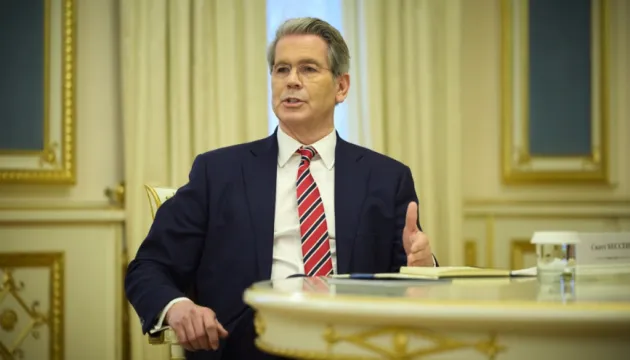
U.S. Treasury Secretary Scott Bessent stated that Washington will not extend exemptions for oil exports from Russia and Iran. These are the permits that previously allowed the sale of oil that had already been loaded onto ships.
According to him, these relaxations were temporary and are no longer planned. The U.S. is returning to a stricter sanctions policy. “We have a blockade, and oil isn’t coming in… We believe that in the next two or three days, they will have to start shutting down production,” Bessent said, commenting on the situation with Iran.
The exemptions were previously introduced amid a sharp rise in oil prices—to over $100 per barrel. This was intended to help stabilize the global energy market, which was under pressure due to the conflict in the Middle East and shipping issues through the Strait of Hormuz.
In March, the U.S. allowed the sale of some Russian oil, and in April even temporarily extended these exemptions for another 30 days. But now the Treasury Department is making it clear—this was a one-time decision.
Bessent explained that the exemptions were partially introduced in response to appeals from the poorest countries, which depend on energy imports. “More than 10 of the most vulnerable and poorest countries have appealed to me for help,” he noted.
At the same time, the minister added that the resources that were already in transit have effectively been exhausted, and there is no basis for further exemptions. “I don’t think we’ll have another extension. Russian oil in transit has largely been exhausted,” he concluded.
Against this backdrop, global energy markets remain volatile. Sanctions against Russia and Iran could further impact prices and supplies, especially given the tensions in the Middle East.
Trump stated that there is no timeline for ending the war with Iran
Earlier, U.S. President Donald Trump stated that Iran has repeatedly violated the ceasefire since it was established between Washington and Tehran. According to Trump, there have been numerous incidents that cast doubt on Iran’s compliance with the ceasefire agreements.
Trumpexpressed his willingness to meet personally with Iran’s new leadership.
US President Donald Trump also announced progress in negotiations with Iran, under which Washington would allegedly receive all of Tehran’s enriched uranium without any financial payments.
Additionally, Israel agreed to a 10-day ceasefire with Lebanon and announced the start of a move toward a diplomatic settlement; however, Prime Minister Benjamin Netanyahu emphasized that the war against Hezbollah is not yet over and military operations will continue.