
The United States and aggressor state Russia cast doubt on autonomous weapons agreement
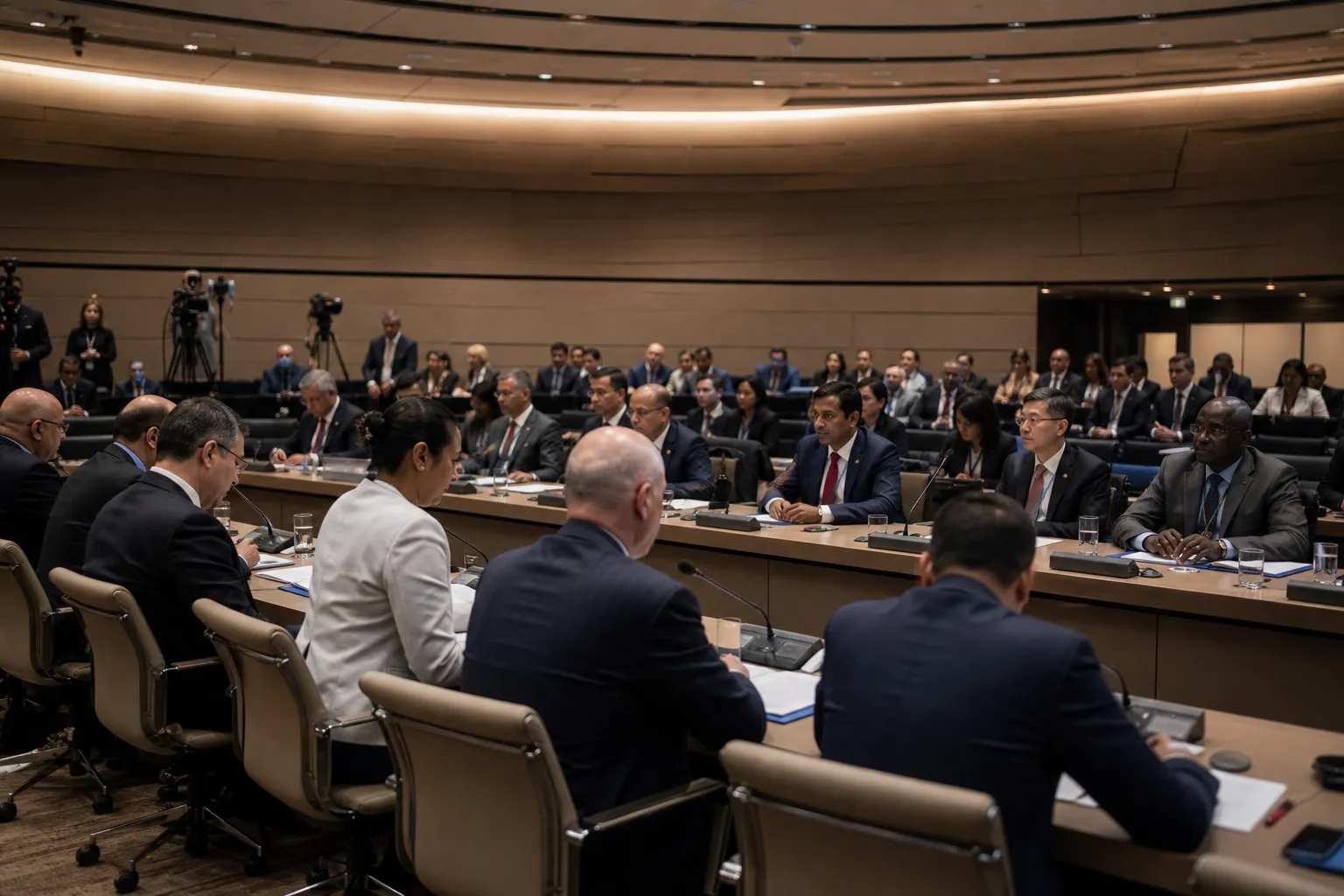
The United States and the Russian Federation — an aggressor state — have cast doubt on the possibility of reaching a consensus in Geneva on a document that could pave the way for international rules on the use of autonomous weapons systems. Three diplomats told Defense News, citing Reuters.
This week, representatives of the 128 states parties to the Convention on Certain Conventional Weapons met in Geneva, Switzerland. This is an international framework agreement under UN auspices that regulates or prohibits certain types of weapons considered excessively injurious or indiscriminate.
Participants must determine whether they can agree on a non-binding text that could initiate negotiations on bans and regulations concerning lethal autonomous weapons systems.
Changes to the draft
Most states supported the draft document, but the United States and Russia proposed late amendments and deletions, two diplomatic sources said. Russia's mission in Geneva did not comment on this information, while the U.S. mission did not respond to a request for comment.
More current news is available on the UA.News Telegram channel Telegram.
One Reuters source said that there is increasingly little time left to reach an agreement. According to another source, participants may fail to agree on key provisions that have been discussed for several years, creating a risk that no deal will be reached.
Human control
According to a senior diplomat, Washington's position has become tougher over the past six months. The United States prefers recommendations rather than a legally binding international agreement, believing that international humanitarian law already establishes a framework for warfare. This approach is supported, among others, by Russia, India, and Türkiye.
At least six states received official diplomatic communications from Washington asking them to support its position on the draft, two diplomats said. At the same time, the sides are disputing wording, including the use of the word “lethality” and provisions on human judgment and control.
Brazil, Ireland, and several African states that support a legally binding treaty insist on guarantees of meaningful human control over such systems. Human Rights Watch and the Stop Killer Robots campaign warned that systems, some of which use artificial intelligence, may behave unpredictably and increase the risk of fatal errors.


