
US and EU decline to support UN declaration on pandemic preparedness — Jerusalem Post
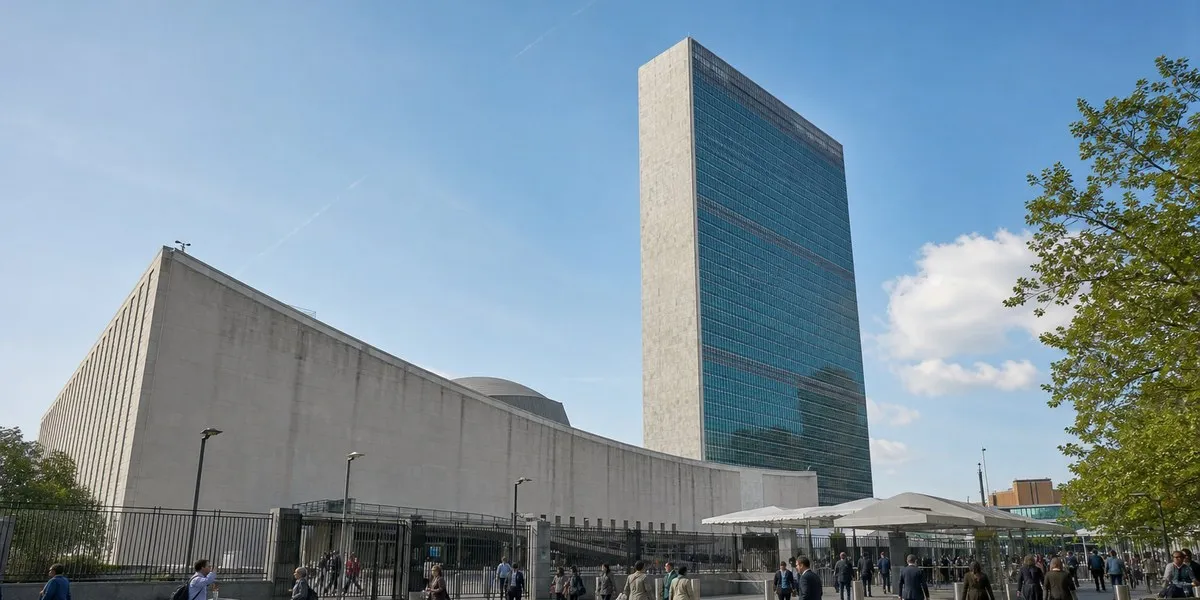
The United States and the European Union declined to support a declaration by UN member states on international cooperation to prevent, prepare for and respond to future pandemics. The document was not legally binding and did not establish specific rules for fighting pandemics, but its unanimous approval would have demonstrated global political support.
Position of the US and EU
As the Jerusalem Post reports, citing The New York Times, the EU explained its refusal by provisions concerning intellectual property protection. The bloc stated that technology transfers must be voluntary and take place on mutually agreed terms.
The administration of President Donald Trump objected to the text for ideological reasons. Erica Schwartz, director of the US Centers for Disease Control and Prevention, said that the declaration contains “ideologies that cause division and have no agreed definition.” According to the NYT, an unnamed source said that in an early version of Schwartz's statement, the US proposed removing references to equity, solidarity and universal access to sexual and reproductive health services.
More current news is available on the UA.News Telegram channel Telegram.
Reaction and further vote
Former New Zealand Prime Minister and co-chair of the Independent Panel for Pandemic Preparedness and Response Helen Clark called it disappointing that the high-level meeting was not asked to endorse the political declaration agreed by member states.
World Health Organization Director-General Tedros Adhanom Ghebreyesus said that the lack of support from the US and EU would not prevent other UN members from voting for the document and adopting it at the next meeting. Last year, WHO member states agreed on a pandemic treaty after several unsuccessful rounds of negotiations. It has not yet become international law because of disputes over a provision that would provide for the rapid sharing of genetic sequences and samples of new pathogens to develop tests, vaccines and treatments.
During the coronavirus pandemic, low-income countries needed more than a year longer to roll out vaccinations than wealthier states. The US officially withdrew from the WHO in January 2026.




