
The U.S. has called on China to join in the economic isolation of Iran
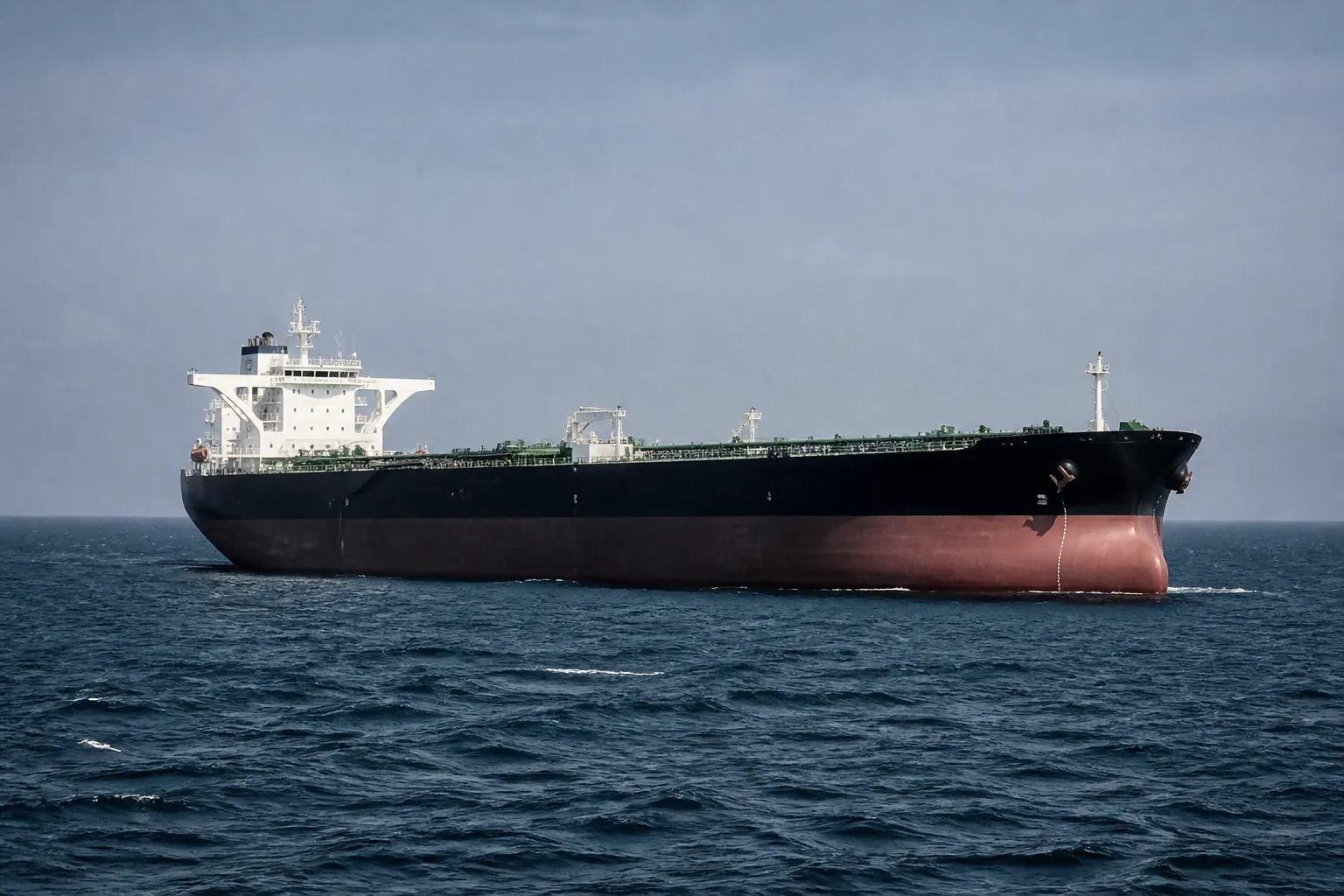
U.S. Treasury Secretary Scott Bessent called on China to support Washington’s new campaign of economic pressure and isolation against Iran. According to the South China Morning Post, the statement came after negotiations to reopen the Strait of Hormuz and end the six-month conflict broke down.
In an interview with CNBC, Bessent stated that China obtains about half of its energy resources from the Persian Gulf countries, so, in his view, it would be in Beijing’s interest to join the U.S. initiative. He added that both U.S. allies and adversaries will have to define their positions regarding the campaign to economically isolate Tehran. Bessent promised to present details of the measures at a press conference next Monday.
Bessent also noted that some discussions are best held behind closed doors. This comes ahead of Chinese President Xi Jinping’s expected visit to Washington in September. The U.S. Treasury Secretary is negotiating with China on economic relations and is working to coordinate the agenda and key outcomes of the Chinese leader’s potential visit.
According to official Chinese customs data, Gulf countries—primarily Saudi Arabia and the United Arab Emirates—accounted for 27.6% of China’s total crude oil imports in July. At the same time, China is the largest buyer of Iranian oil: according to data from the analytics firm Kpler, in 2025 it purchased more than 80% of Iran’s oil exports.
For more breaking news, follow the UA.News Telegram channel.
U.S. President Donald Trump stated yesterday his intention to carry out “the most devastating economic operation” ever launched against any country against Iran. He also warned that countries whose financial institutions, companies, airports, or government agencies provide Tehran with any form of support could face significant economic consequences.
China’s Ministry of Foreign Affairs criticized the U.S. plan. Ministry spokesperson Lin Jian stated that sanctions and pressure tactics are not a solution to the problem and called on the parties to act responsibly and adhere to a political and diplomatic approach. Iranian Foreign Minister Abbas Arakchi, for his part, called the U.S. threats “economic terrorism,” which, he said, threatens the global economy and the sovereignty of nations.
According to the SCMP, Iran’s de facto closure of the Strait of Hormuz—a route through which approximately one-fifth of the world’s oil and liquefied natural gas supplies pass—has caused energy prices to rise and intensified inflationary pressures.


