
The U.S. has imposed new sanctions against Cuba and individuals close to the government
On June 24, the United States announced a new round of sanctions against several Cuban organizations, as well as the wife of Alejandro Castro Espín—head of Cuba’s National Security Council and son of the country’s former leader, Raúl Castro. The sanctions intensify Washington’s pressure on the Cuban leadership.
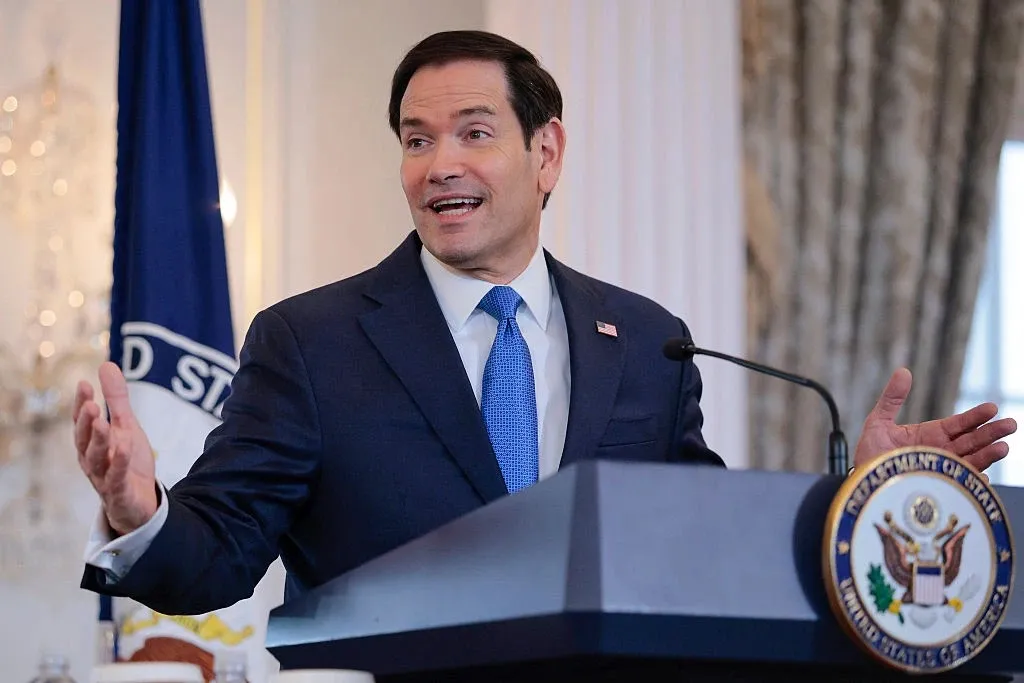
“Today, I am imposing sanctions on five Cuban organizations that generate revenue for the Cuban regime, including three organizations linked to Grupo de Administración Empresarial S.A. (GAESA), as well as against a representative of the Castro family circle, pursuant to President Trump’s Executive Order No. 14404 of May 1, 2026, ‘Imposing Sanctions on Individuals Responsible for Repression in Cuba and Threats to the National Security and Foreign Policy of the United States,” noted U.S. Secretary of State Marco Rubio.
According to him, GAESA continues to serve as the financial backbone of the Cuban regime’s repressive apparatus. Two of the organizations subject to sanctions are financial institutions affiliated with GAESA that facilitate the flow of funds in the regime’s interest, and one is a logistics company affiliated with GAESA that carries out the regime’s orders throughout the island.
Two additional organizations that generate revenue for Cuba through the extraction of metals and other mineral resources on the island, including the Cuban state-owned company GeoMinera, have also been added to the sanctions list.
In addition, the U.S. is imposing restrictions on the wife of Alejandro Castro Espina, against whom sanctions were previously imposed under Executive Order 14404.
“These entities and individuals finance, facilitate, or benefit from the regime’s malicious activities both in Cuba and throughout our hemisphere,” Rubio emphasized.
Earlier, Trump spoke about a possible resumption of dialogue between the two countries. CIA Director John Ratcliffe arrived in Havana as part of the U.S. delegation.
Cuba is facing a severe sanitation crisis, as a result of which the streets of Havana are filled with meter-high piles of trash stretching up to a quarter of a block. The country’s authorities cite an acute fuel shortage—which arose after the U.S. administration cut off Havana’s access to oil—as the main cause of this critical situation.




