
Pakistani court declares travel restriction provision unconstitutional — Dawn
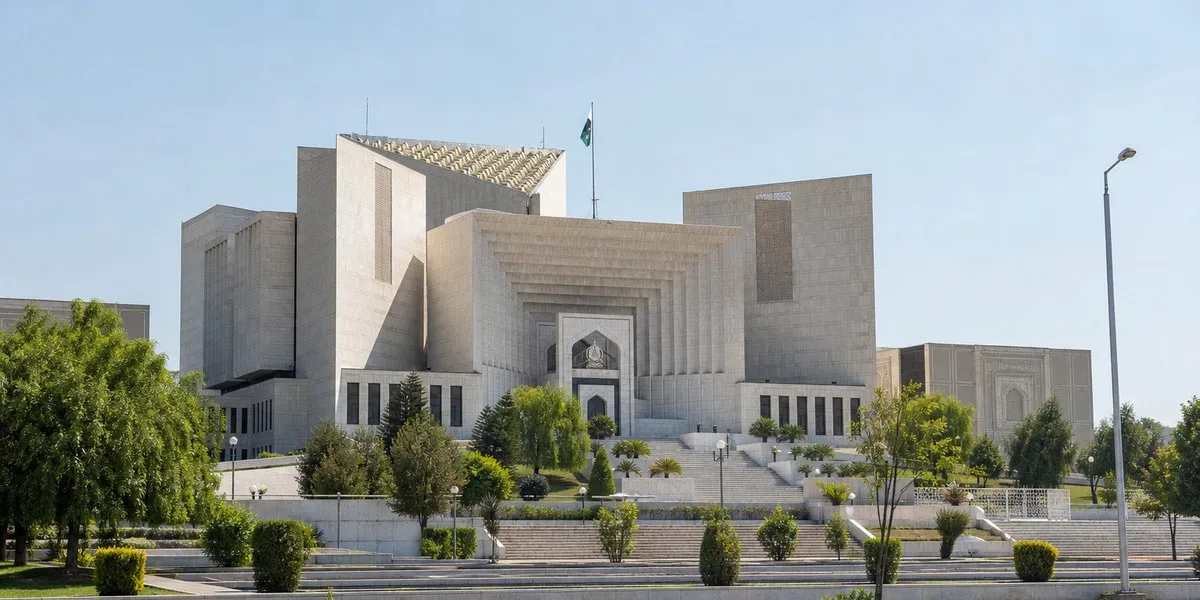
The Islamabad High Court in Pakistan has declared unconstitutional a part of the Passports Rules 2021 that allowed citizens to be placed on the Passport Control List (PCL) on the recommendations of state bodies or agencies. As Dawn reports, Justice Raja Inaam Ameen Minhas ruled that this part of the rule was inconsistent with the Passports Act 1974 and Articles 4, 9, 10A and 15 of Pakistan’s Constitution.
The court declared the second part of rule 22(2)(b) to be without legal effect. It did not define an authorized authority, objective criteria, a notification procedure, an opportunity to be heard, grounds, or notice of the decision. The court noted that under such conditions, a citizen could learn about the restriction only after being stopped at immigration control.
The passenger’s case
The ruling was issued in response to a petition by Moinuddin, who was prevented on December 18, 2025, from departing Islamabad International Airport for Saudi Arabia to perform Umrah. He had a valid Pakistani passport, a Saudi visa and a confirmed airline ticket, but he was not informed of the reasons for the stop.
According to the court ruling, the man’s name was placed on the PCL on December 24, 2024, on the recommendation of Interpol’s National Central Bureau, transmitted by an assistant director of the immigration unit of Pakistan’s Federal Investigation Agency. This happened after his deportation from the United Kingdom. There, Moinuddin was convicted of causing death by dangerous driving while under the influence of alcohol; he served a three-year prison term.
More current news is available on the UA.News Telegram channel Telegram.
Limits of agencies’ powers
The court found that the man had already served his sentence and that there were no pending criminal cases, requests or investigations against him in Pakistan. His passport had not been seized, confiscated, cancelled or deactivated, and its issuance or renewal had not been refused.
Passport authorities justified keeping his name on the list by citing harm to Pakistan’s international reputation and the need for deterrence. The court rejected these arguments because they appear neither in the law nor in the rules. The judge stressed that refusing to issue a passport and banning travel abroad are different forms of governmental authority.
The court annulled the agency’s decision of January 26, 2026, and declared Moinuddin’s placement on the PCL unlawful. The authorities were ordered to remove his name from the list within 15 days of receiving a certified copy of the ruling and not to obstruct his lawful foreign travel on this basis. At the same time, the court noted that the competent authority may take measures provided by law while following the established procedure.




