
Israeli court hands down 13-year prison term over Aisha Rabi’s death in attack
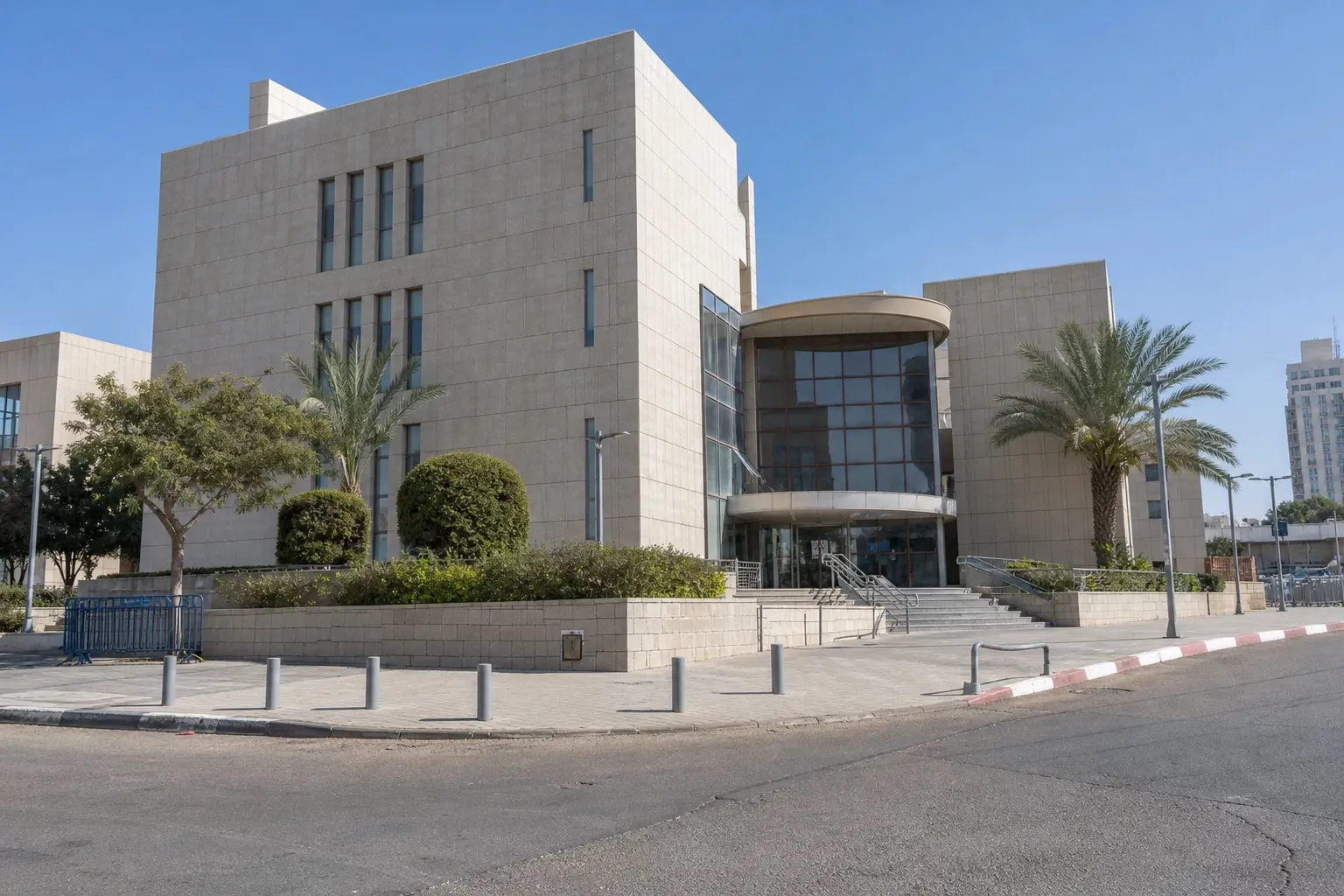
The Central District Court in Lod, Israel, sentenced a man to 13 years in prison in the case of Palestinian woman Aisha Rabi’s death during a 2018 attack. His identity has not been disclosed because he was a minor at the time of the attack. The court also ordered him to pay Rabi’s family 258,000 shekels in compensation — the maximum amount provided by law — and imposed an additional suspended sentence.
As reported by the Jerusalem Post, the defendant was 15 years and 10 months old at the time of the attack. The court found that on October 12, 2018, he was with two or three unidentified individuals on an embankment near Route 60, close to the settlement of Rechelim in the West Bank.
Attack on the car
According to the court, he spotted a car with Palestinian license plates and threw a stone weighing about two kilograms at it. The stone pierced the windshield and struck Rabi in the head. Her husband, Yaqub, and their nine-year-old daughter were in the car with her.
Rabi, a resident of the Palestinian city of Bidya and a mother of nine, died from her injuries. The court concluded that the attacker acted out of nationalist motives, intended to harm the car’s passengers, and disregarded the possibility of their deaths.
More current news is available on the UA.News Telegram channel Telegram.
Court ruling and appeal
He was formally found guilty of unintentional killing under circumstances equivalent to a terrorist act, aggravated stone-throwing at a vehicle, and intentional damage to a car. The court classified all three offenses as terrorism-related.
In March, two judges concluded that the defendant had committed these acts, while Judge Liora Brody voted for acquittal, believing that guilt had not been proven beyond a reasonable doubt. The majority of judges relied, among other things, on the defendant’s DNA found on the stone and rejected his alibi.
The convicted man continues to deny involvement in the attack. His family and the legal aid rights organization Honenu said they intended to appeal the conviction and sentence to Israel’s Supreme Court. The court took into account the defendant’s age at the time of the attack and the rehabilitation process he had undergone, but described the attack as brutal and emphasized its nationalist nature.


