
Shipping through the Strait of Hormuz had nearly come to a standstill just before the end of the ceasefire
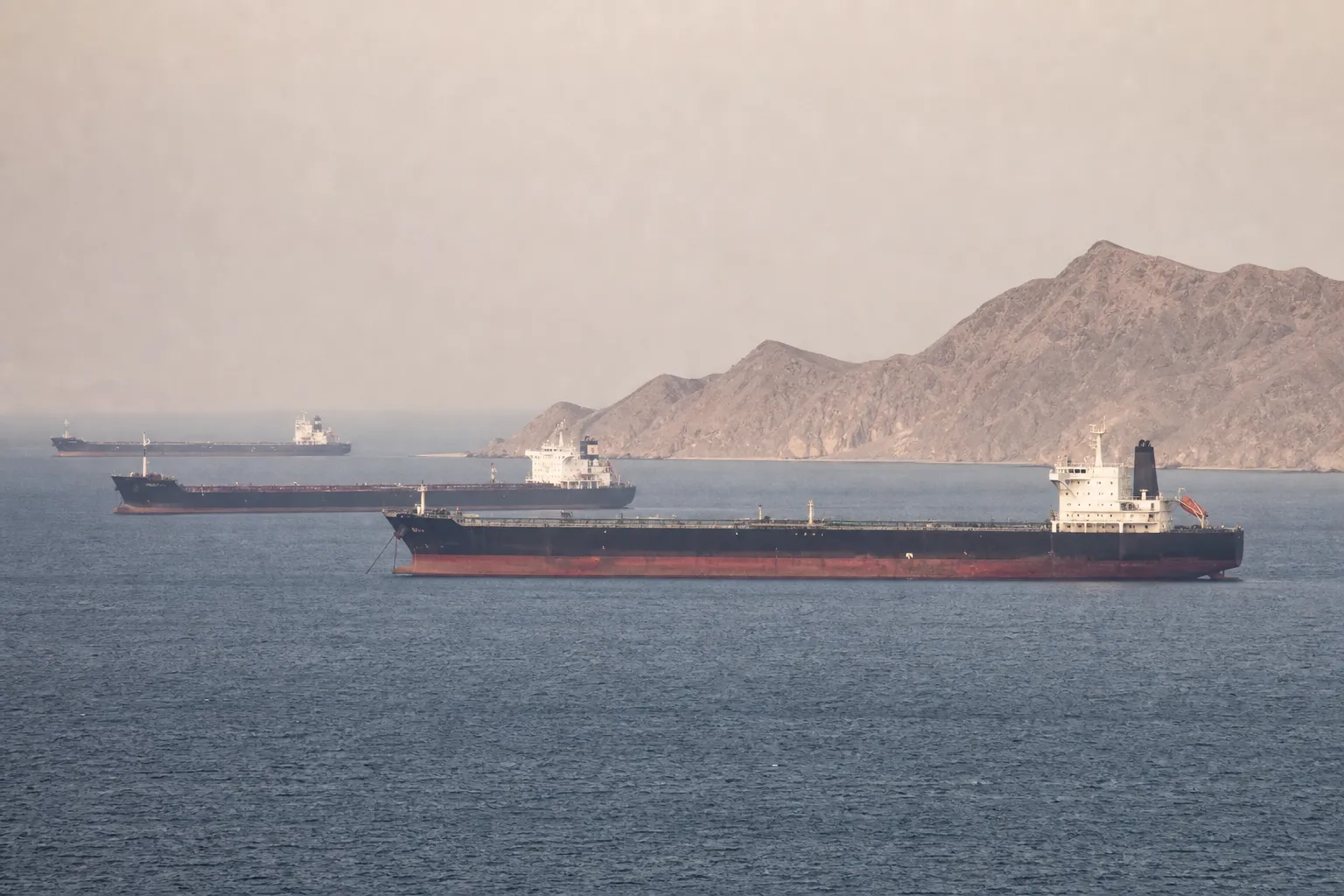
Shipping through the Strait of Hormuz has nearly come to a standstill on the eve of the end of the 60-day ceasefire between the U.S. and Iran. On Saturday, only five cargo ships passed through the strategic oil route, and on Sunday, not a single ship was recorded passing through the strait, CNBC reports, citing data from Kpler as reported by Reuters.
By comparison, 31 ships passed through the Strait of Hormuz the previous weekend. Last week, the five-day average for transits was 13 ships per day—the lowest level since May 12, according to CNBC’s calculations based on Kpler data.
Overall, shipping traffic has fallen by 90% compared to the period before the war began on February 28. Before the war, an average of about 130 ships passed through the strait daily, which carries about one-fifth of the world’s oil volume.
For more breaking news, follow the UA.News Telegram channel.
Negotiations between Washington and Tehran have stalled, and there were no official talks or agreements ahead of the ceasefire’s expiration. Iranian Foreign Minister Seyed Abbas Araghchi stated that the parties are not negotiating, although Qatar and Pakistan are relaying messages between them.
U.S. President Donald Trump said last week that he would soon declare the Strait of Hormuz U.S. territory. For his part, Iranian Deputy Foreign Minister Kazem Haribabadi wrote on X that the strait would remain under Iran’s control, particularly with regard to its closure and reopening.
Against this backdrop, oil prices fell slightly on Monday: Brent futures dropped 0.15% to $88.45 per barrel, while U.S. WTI lost 0.74% and traded at $81.79 per barrel.


