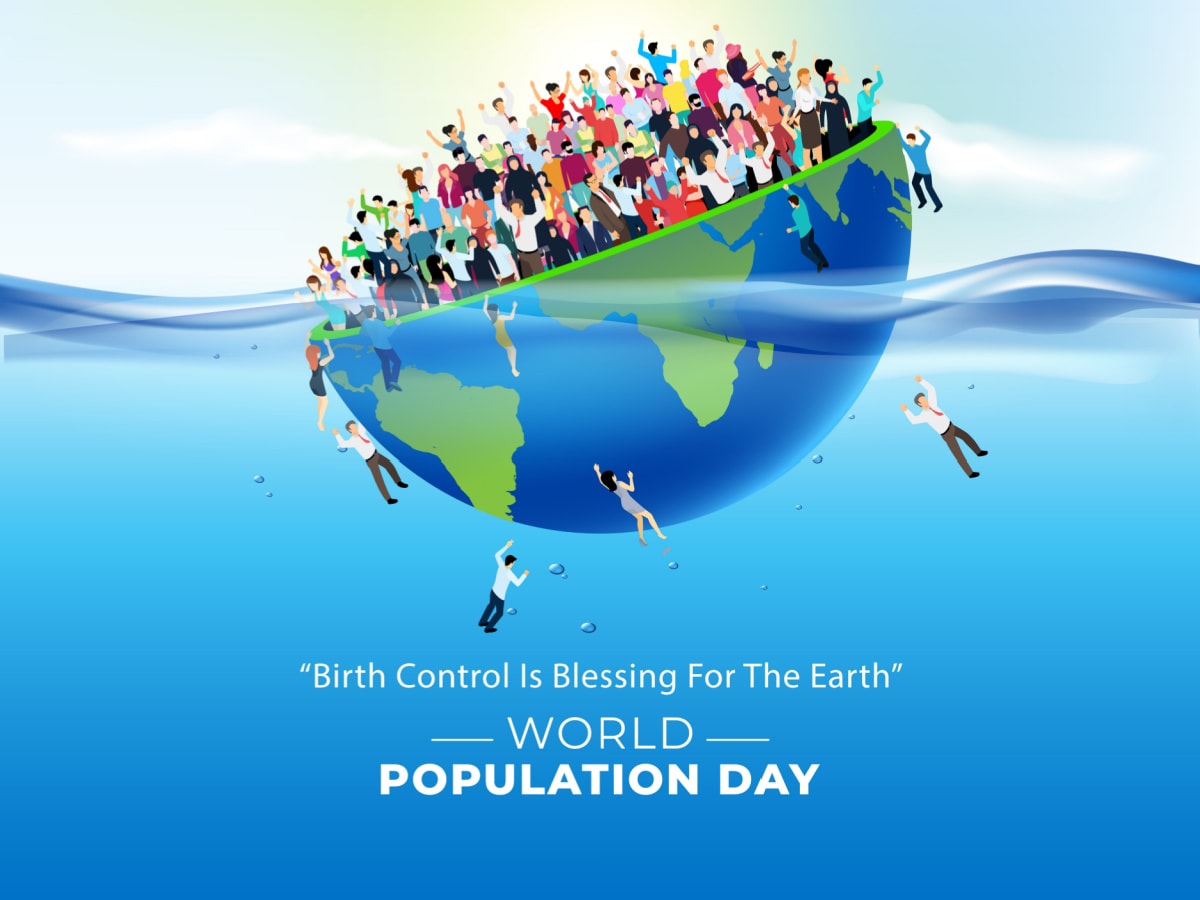
Holiday on July 11, 2026 — World Population Day
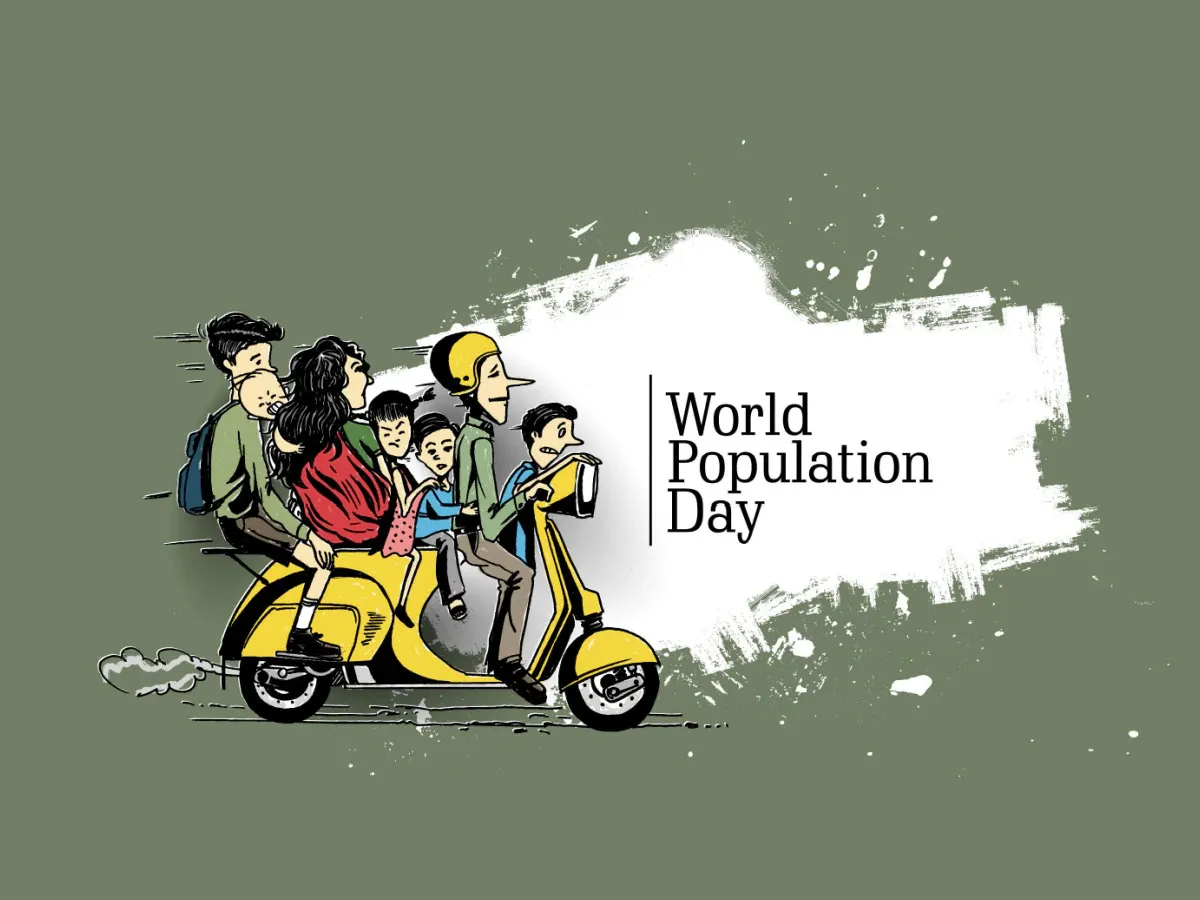
Every year on July 11, the world observes World Population Day, which was established by the United Nations. This day is intended to draw attention not only to the number of people on the planet, but also to quality of life, access to healthcare and education, equality, and human rights. In 2026, the main theme of the day was supporting young people and their right to shape their own future.
World Population Day is observed annually on July 11. It is an international observance supported by the United Nations and dozens of countries around the world. Despite its name, this observance is not about birth rate records or statistics. Its main goal is to remind us that behind every number are real people—their rights, health, education, and the opportunity to start a family and live in safe conditions. That is why, on this day, people around the world discuss demographic changes, the challenges of our time, and how they affect everyone’s lives.
How World Population Day Came to Be
The history of this date began back in 1987. On July 11, the world symbolically marked what was known as “Five Billion Day”—the moment when, according to experts’ estimates, the Earth’s population reached five billion people. This event attracted enormous attention from the international community and prompted reflection on just how rapidly the world is changing.
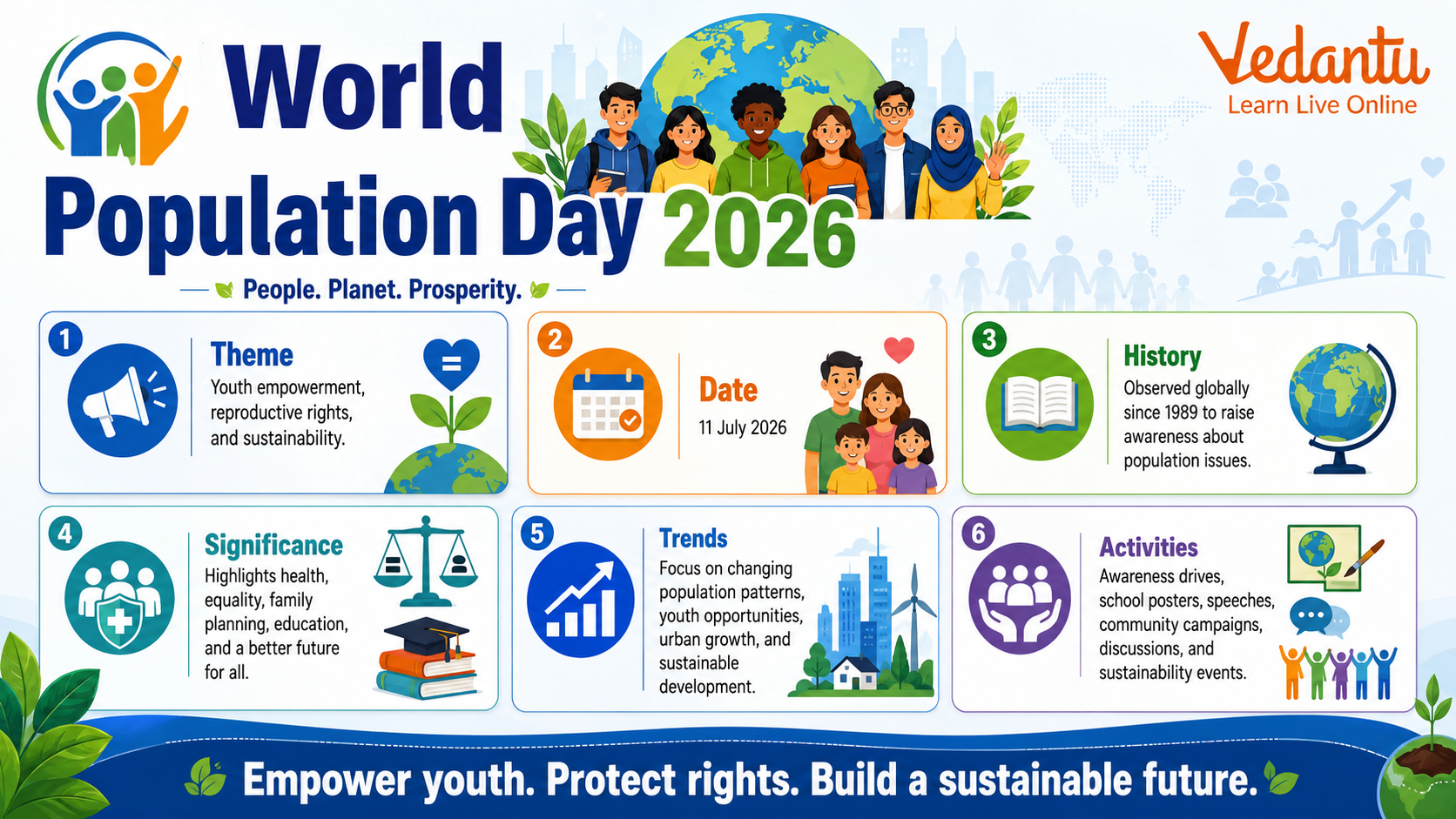
Two years later, in 1989, the Executive Board of the United Nations Development Program proposed celebrating World Population Day annually. And in 1990, the UN General Assembly endorsed this initiative and called on member states to regularly hold informational events dedicated to demographic issues. The first official events took place in more than 90 countries around the world.
Why This Day Is Important
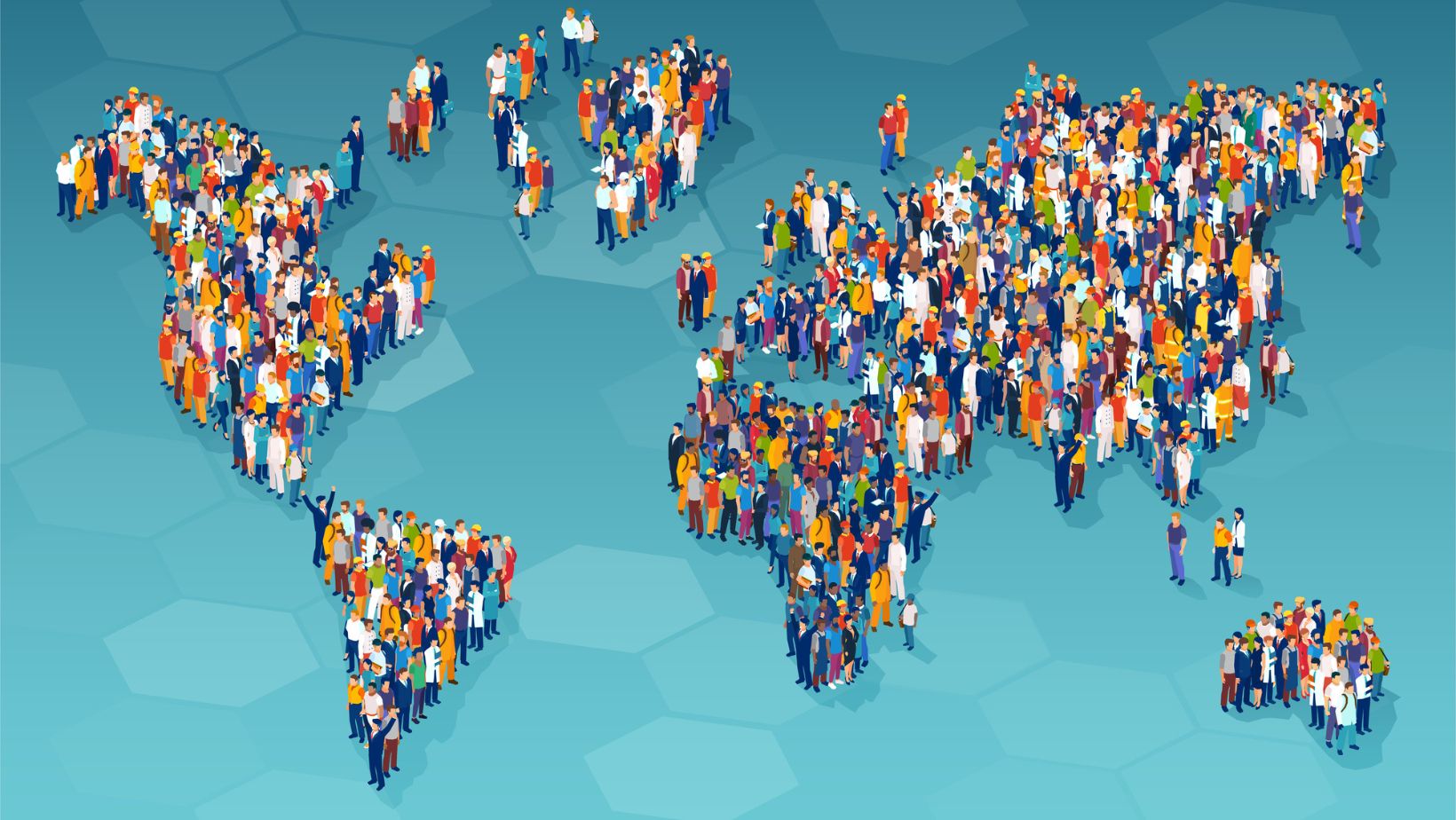
The world’s population is constantly changing. In some countries, the population is growing; in others, it is shrinking. In some places, the population is aging rapidly, while in other regions, the majority of residents are young people.

That is why World Population Day is not just about numbers. The focus is on issues such as accessible healthcare, reproductive health, educational opportunities, the fight against poverty, gender equality, the rights of children and youth, and sustainable social development. All of these issues directly influence what life will be like for future generations.
What is the theme for 2026?
Each year, the UN designates a specific theme for World Population Day. In 2026, the theme is: “Realizing the hopes and aspirations of young people—today and in the future.”

The United Nations emphasizes that it is young people who will shape the world’s future. Therefore, it is important for countries to create conditions under which young people have access to education, employment, housing, and quality healthcare, and are able to decide for themselves when to start a family and how many children to have.
How This Day Is Observed
World Population Day is not a public holiday. It is observed primarily through educational and informational events. Various countries host international conferences, public lectures, discussions, roundtables, student forums, and themed exhibitions. Schools and universities hold classes and presentations on demography, healthy lifestyles, and human rights.

On this day, charitable organizations and civic groups also organize awareness campaigns on family planning, maternal and child health, youth support, and equal access to healthcare.
Interesting Facts
One of the best-known facts is that on July 11, 1987, the world’s population symbolically reached five billion. This event served as the impetus for establishing this international day. Today, population growth rates are no longer as rapid as they were several decades ago. In many countries, fewer children are being born than before, and the population is gradually aging. At the same time, in other regions of the world, the population continues to grow rapidly. This creates new challenges for the economy, healthcare systems, education, and the labor market.
Another interesting fact is that two-thirds of the world’s population now lives in countries where the birth rate is already below the level needed for natural population replacement. That is why contemporary discussions increasingly focus not only on population growth but also on population aging, migration, and people’s ability to freely make decisions about starting a family.
Why This Day Remains Relevant
World Population Day serves as an annual reminder that a country’s development depends not only on the number of its inhabitants but also on the conditions created for their lives. The UN emphasizes that every person should have the opportunity to receive an education, access healthcare, live free from discrimination, and plan their own future. These very issues have remained the central theme of World Population Day for over three decades.