
Holiday on August 11, 2026: Armenia Celebrates National Identity Day
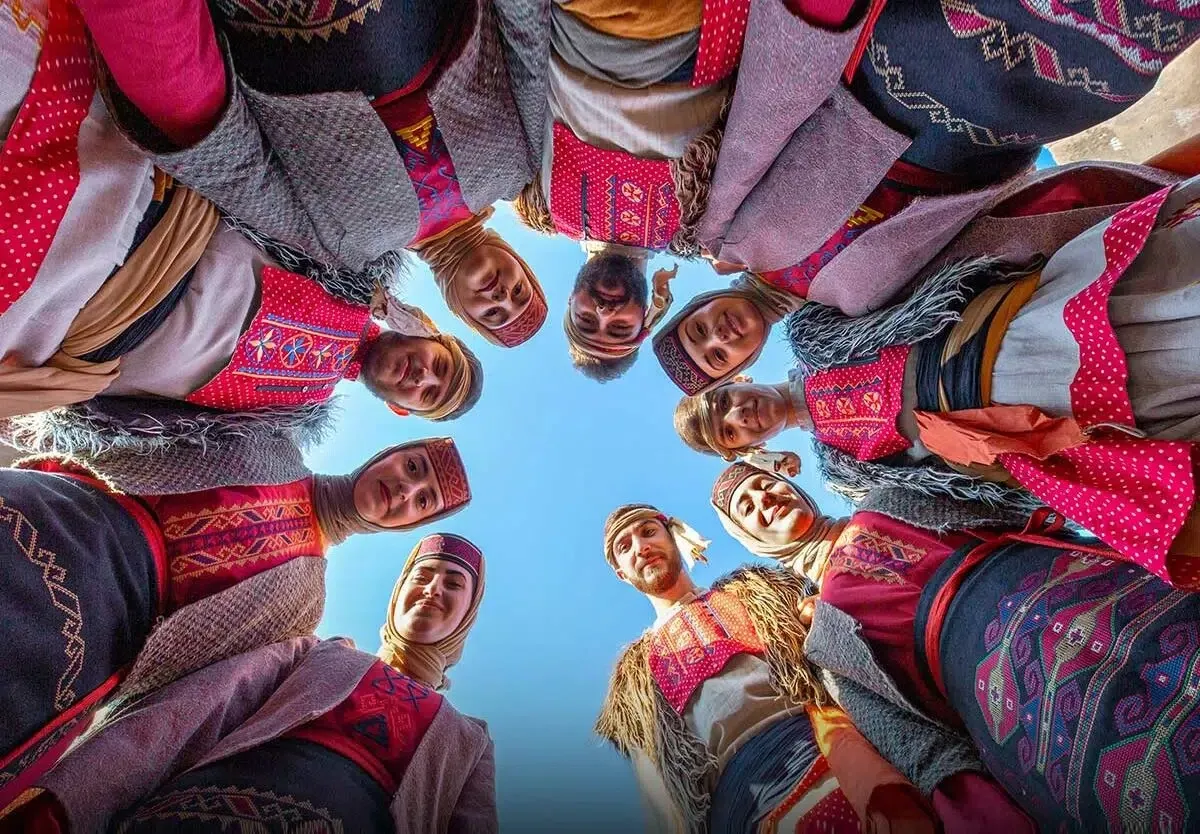
August 11 is celebrated in Armenia as National Identity Day—a date associated with ancient history, traditions, and the legend of Hayk, the progenitor of the Armenian people. In 2026, this day falls on a Tuesday. The holiday is closely linked to Navasard—the start of the new year in the ancient Armenian calendar. However, in Armenia’s current calendar of public holidays, August 11 is not an official non-working day.
National Identity Day in Armenia falls on August 11. In 2026, it will be observed on a Tuesday. The date has no contemporary political significance, but rather primarily historical and cultural significance. It is associated with the Armenians’ ancient beliefs regarding the origin of their people, their freedom, and their statehood. The idea of a separate National Identity Day was actively discussed in Armenia in the late 2000s. In 2009, parliament considered a proposal to declare August 11 as National Identity Day and to link the days leading up to it—August 6–11—to the Navasard festivities. The plan was to hold nationwide cultural, sporting, and other events.

At the same time, the idea itself was the subject of debate. Some supporters believed that the date would help refocus attention on ancient history and traditions. Others feared that an emphasis on pre-Christian heritage might appear to be a return to pagan times. Therefore, from the very beginning, the holiday was not only an occasion for celebrations but also a topic of public and historical debate.
What Is Navasard?
To understand the significance of August 11, it is important to know about Navasard. This was the name of the first month of the ancient Armenian calendar, and it began on August 11 according to the modern calendar. That is why Navasard was regarded as the beginning of the new year. The name “Navásard” has ancient Iranian origins. It is associated with words meaning “new” and “year.” Thus, the name can literally be translated as “New Year.” For the ancient Armenians, this was a significant moment in the calendar cycle, associated with the start of the new year and grand celebrations.

Navásard was not just a date on the calendar. In pre-Christian times, it was a large-scale festival featuring rituals, feasts, music, competitions, and other entertainments. According to historical and traditional accounts, the celebrations could last several days. People traveled from various places to attend the festivities, and representatives from all walks of life took part.
The Legend of Aika and Bela
One of the main reasons August 11 is associated with national identity is the legend of Hayk and Bel. According to an ancient Armenian tradition, Hayk was the progenitor of the Armenian people. He stood up against Bel—a powerful ruler who demanded that he submit. In the legend, Hayk refuses to submit and engages Bel in battle.

According to the traditional account, Hayk defeated Bel by striking him with an arrow. This victory became a symbol of the struggle for freedom and independence. That is why Armenian leaders who supported the establishment of National Identity Day considered August 11 to be a date that aptly conveys the idea of the people’s freedom. According to one traditional chronology, the battle between Hayk and Bel is dated to 2492 BCE. This date is part of an ancient tradition and legendary chronology, rather than a date of an actual historical battle established by modern historians. That is why it is important to distinguish between historical facts and folk legends in materials about the holiday.
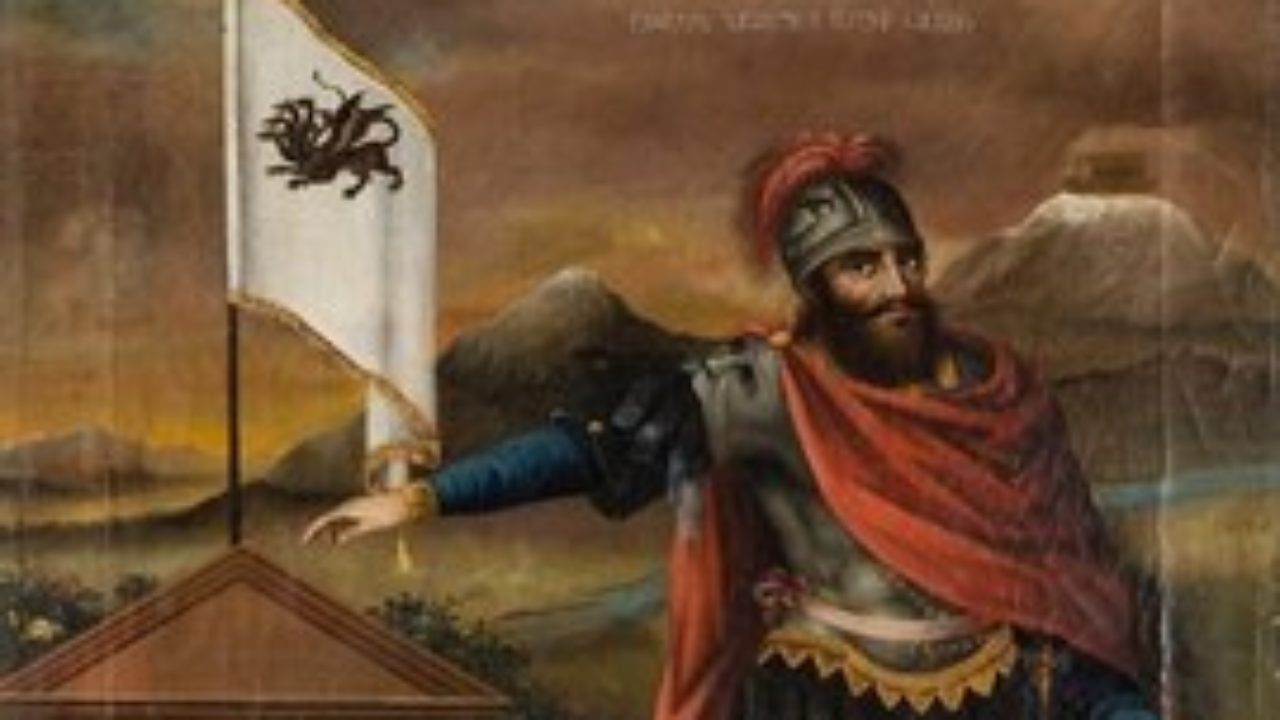
For those who celebrate the holiday, the significance of Aik’s victory over Bel lies not so much in the battle itself as in its symbolism. It is the story of a man who refused to submit to a stronger opponent. That is why Aik has become one of the figures used to illustrate the concepts of freedom, independence, and national unity.
How Navasard Was Celebrated in Ancient Times
In ancient times, Navasard was much larger in scale than modern cultural events held on National Identity Day. According to traditional accounts, people gathered for grand celebrations where they sang, danced, ate, participated in athletic competitions, and performed various rituals. The festival combined religious traditions, entertainment, and socializing. Sports competitions held a special place. Horse races, archery contests, tests of strength, and other competitions were held. For this reason, Navasard is sometimes compared to ancient sports festivals, although it should not be directly equated with the ancient Olympic Games.

The celebrations were accompanied by an abundance of food and gifts. According to traditional accounts, the festive tables were laden with grain, fruit, sweets, and other foods. Some of the food was offered as gifts to the ancient gods. In pre-Christian times, Navasard was associated with the worship of Armenian deities. Among them are Aramazd, Anahit, Vahagn, and other gods of the ancient Armenian religious tradition. After the adoption of Christianity in Armenia, many pre-Christian customs disappeared or changed in meaning.
Why August 11?
August 11 holds a special place in the traditional Armenian calendar. It is associated with the beginning of Navasard and the ancient New Year cycle. Therefore, supporters of National Identity Day consider it a symbolic date for discussing Armenian history and cultural heritage. Historians and researchers, however, have interpreted this date in different ways. In 2009, when parliament was debating the new holiday, some experts proposed a different date. For example, Vardan Devrikyan, a researcher of the ancient Armenian calendar, believed that the date of the traditional holiday could be variable and therefore proposed linking National Identity Day to Vardavar.

Despite these debates, supporters of August 11 insisted that this date already had a strong symbolic connection to Armenian history. For them, it was important not only to revive an ancient tradition but also to make it understandable to modern society.
How National Identity Day Is Celebrated Today
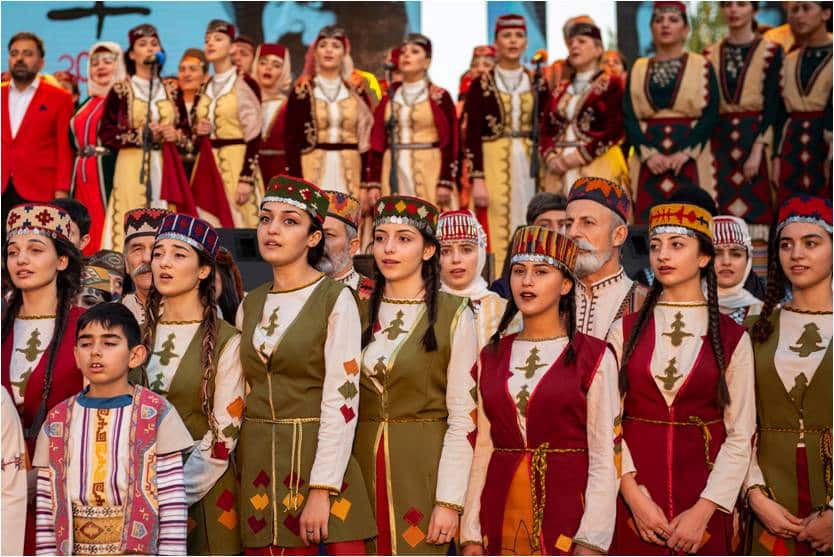
The modern celebration differs significantly from the ancient Navasard. It is not a nationwide holiday with mandatory mass ceremonies. Rather, the day is used as an opportunity to discuss Armenia’s history, culture, and ancient traditions. Over the years, the country has hosted cultural events dedicated to Navasard and its pre-Christian heritage. These include festivals, lectures, exhibitions, sports competitions, and other public events. Such events help demonstrate that national identity consists not only of political history but also of language, culture, customs, and memory.

Special attention is given to ancient culture and traditional symbols. Events may feature national music, dance, traditional clothing, and ancient motifs. This is often combined with stories about Navasard, Hayk, and other themes from Armenian historical memory. Representatives of the Armenian diaspora also play an important role. After all, Armenian communities exist in many countries around the world, and the preservation of language, culture, and historical memory is of particular importance to them. Therefore, National Identity Day can be not only an event in Armenia but also an occasion for cultural events among Armenians abroad.
Interesting Facts About the Holiday
Navásard was, in fact, the ancient Armenian New Year. It began on August 11 according to the modern calendar. That is why this date is associated with the start of the new year in the ancient Armenian calendar.
The name “Navasard” means “New Year.” It has ancient Iranian origins and consists of elements meaning “new” and “year.”
National Identity Day was introduced into the modern calendar much later. The Armenian parliament discussed the idea of establishing it in 2009. At the same time, it was proposed that Navasard celebrations be held over several days—from August 6 to 11.
At the heart of the holiday lies not only the ancient New Year but also a legend about freedom. According to legend, Hayk defeated Bel and refused to submit to him. It is this story that has become one of the symbols of national independence.
The ancient Navasard was a very lively celebration. The program included feasts, music, dancing, athletic competitions, horse races, and archery contests. In other words, it was not merely a religious ritual but a major event for the community.
The festival has pre-Christian roots. Navasard was associated with the ancient Armenian religion and the worship of pagan gods. After the Christianization of Armenia, these traditions gradually changed, and some of them disappeared.
Why National Identity Day Is Important
For modern Armenia, this holiday is a way to connect with a very ancient cultural heritage. Its supporters emphasize that national identity did not emerge in the modern era. It has been shaped over the centuries and encompasses language, culture, religion, legends, the calendar, traditions, and historical memory. August 11 also commemorates Navasard—the ancient start of the year. Through it, modern Armenians can learn about traditions that existed even before the adoption of Christianity. This is particularly interesting for the younger generation, who thus have the opportunity to learn more about their country’s pre-Christian history.
At the same time, the holiday should not be confused with Armenia’s Independence Day, which is celebrated on September 21. Armenia declared its independence from the Soviet Union following a referendum on September 21, 1991. That is an official national holiday and a day off, whereas National Identity Day has a different—cultural and historical—significance. In 2026, Armenia’s National Identity Day falls on August 11. On this day, attention will once again turn to the country’s ancient history, Navasard, and the legend of Hayk. For modern Armenians, this is yet another occasion to reflect on their cultural heritage and the factors that shaped their identity long before the modern state came into being.




