
August 14, 2026 — World Orca Day: Interesting Facts and Threats to These Animals
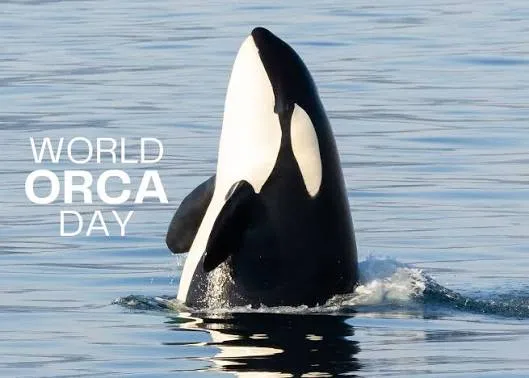
World Orca Day is celebrated annually on July 14. It’s not just an occasion to talk about some of the ocean’s most famous inhabitants, but also a chance to raise awareness about the threats they face in the wild. Orcas sit at the top of the marine food chain, and their lives are closely tied to the health of the ocean.
World Orca Day falls on July 14. In 2026, it was a Tuesday. The holiday is not a national or official international day established by the UN, but rather a conservation initiative dedicated to orcas and the protection of the ocean. The idea for this day was proposed by New Zealand orca researcher Ingrid Visser. She founded the Orca Research Trust and launched World Orca Day in November 2013 during the World Whale Conference in Boston. The first observance took place on July 14, 2014.

The date is not tied to a single specific historical moment, but rather to several important events in the world of orcas. In particular, the organizers highlight the rescue of a young female named Springer in 2002. She was found alone off the west coast of the United States, after which she was rescued, rehabilitated, and returned to the wild. In July 2013, Springer gave birth to a calf, which served as further proof of the success of her return to the wild.
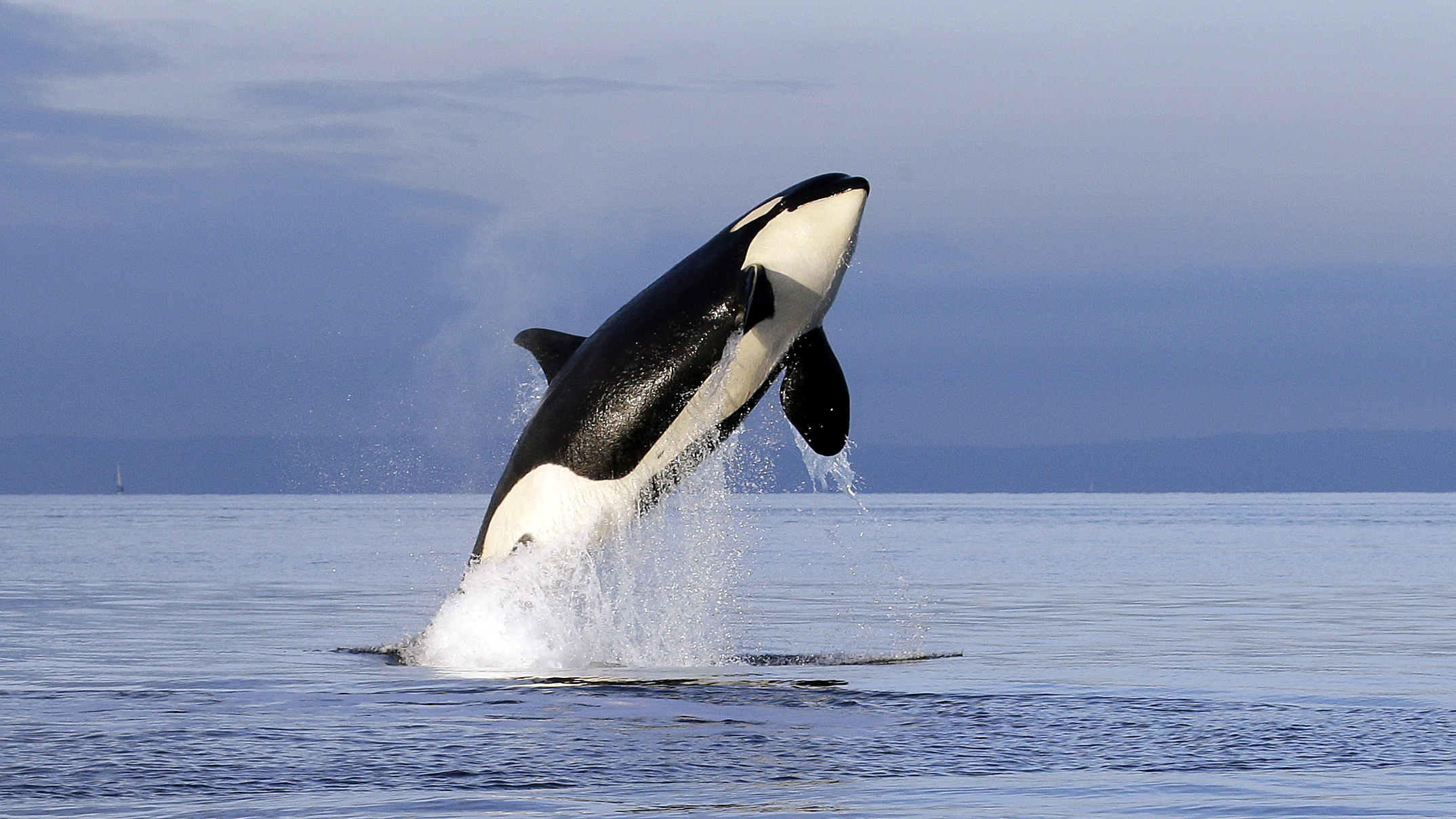
Another story that influenced the choice of July took place in New Zealand in 2008. A young orca was also rescued at that time. In addition, July is traditionally associated with gatherings of scientists, conservationists, and others involved in the study of orcas. That is why the founder of World Orca Day decided to tie the celebration to this month.
Why Orcas?
An orca is not a whale in the conventional sense, but rather the largest member of the dolphin family. Its scientific name is Orcinus orca. Orcas live in virtually all oceans and can be found in both cold polar waters and warm seas. Due to their vast range, they are considered one of the most widespread species among cetaceans. These animals sit at the top of the food chain. They can hunt fish, seals, sea lions, and even other cetaceans. At the same time, orcas are not the same all over the world: different groups have their own hunting methods, dietary preferences, social behaviors, and even vocalizations.
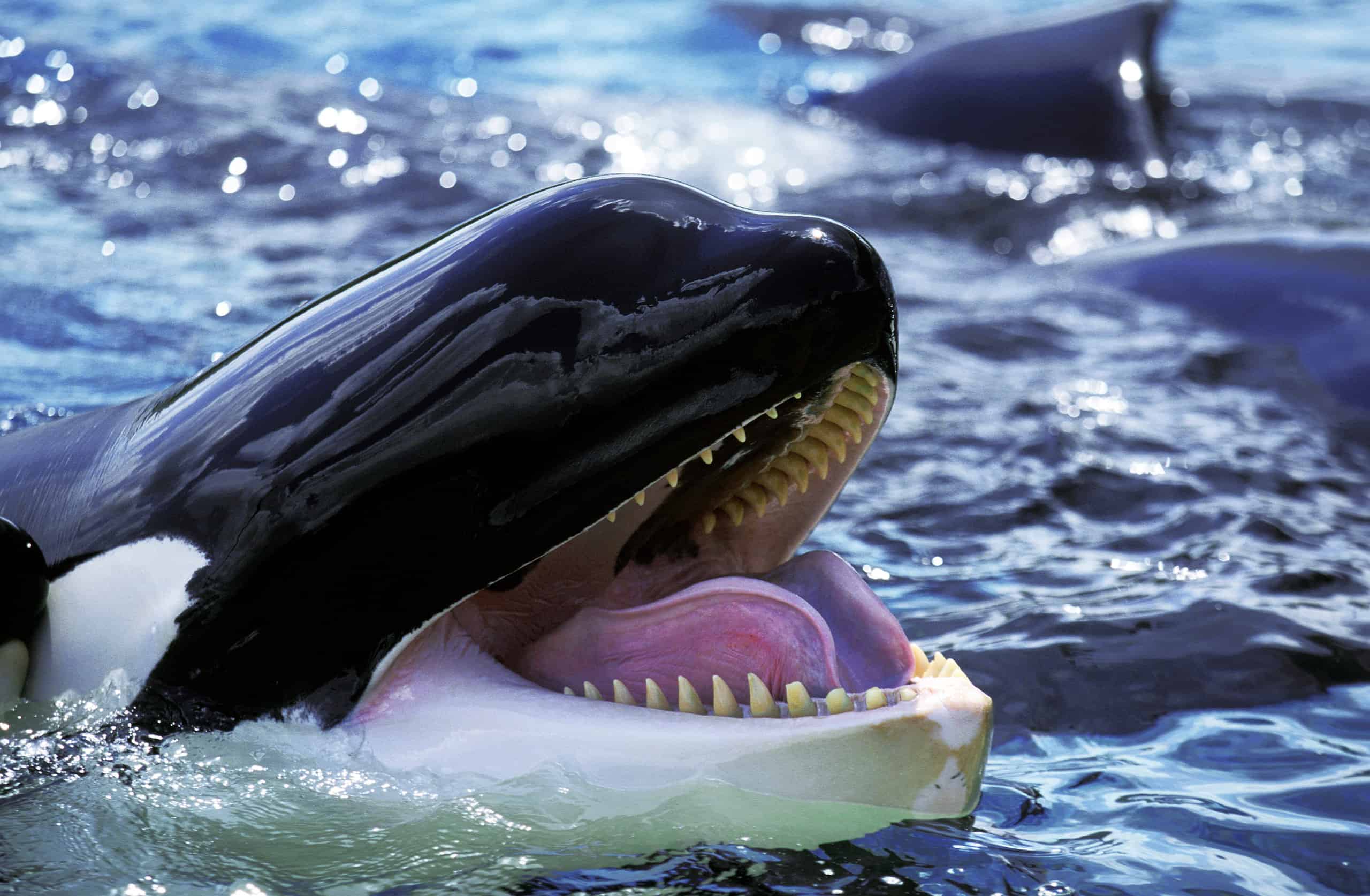
Researchers refer to these groups as ecotypes. They can differ so greatly that one orca population may hunt primarily fish, while another may hunt marine mammals. Some groups have their own vocal signals and distinct “dialects.” It is the social life of orcas that is one of the reasons why they are of such interest to scientists. They live in family groups, hunt together, and pass on behavioral skills from older animals to younger ones. In other words, some knowledge is literally passed down from generation to generation.
Interesting Facts About Orcas
Orcas have many unique characteristics that make them one of the most fascinating marine animals.
They live in families. Young orcas may stay close to their mothers and other group members for a long time. Family structure is very important to them.
They have their own unique vocalizations. Different groups use distinctive sets of sounds to communicate. This allows researchers to study not only the behavior of orcas but also the characteristics of their “language.”
Orcas have various hunting methods. For example, in some areas, they can create waves to wash seals off ice floes. In Argentina, some orcas have learned to deliberately beach themselves to snatch sea lion pups and then return to the water. This behavior requires great precision and experience.
Orcas can hunt very large prey. There are known cases where they have attacked sharks, sea lions, and other whales. This is why they play the role of apex predators in marine ecosystems.
Their impact on the ocean is much broader than it seems. As apex predators, orcas influence the population sizes and behavior of other animals. Therefore, changes in their populations can be significant for the entire ecosystem.
Threats to Orcas
Despite their strength and size, orcas are not immune to problems caused by humans. The ocean is becoming increasingly noisy due to shipping and other human activities. For animals that rely heavily on sound for communication and navigation, this can be a serious problem. Another threat is water pollution. Toxic substances can accumulate in orcas’ bodies through their food. They also depend on an adequate supply of prey, so changes in fish stocks and overfishing can affect entire populations.
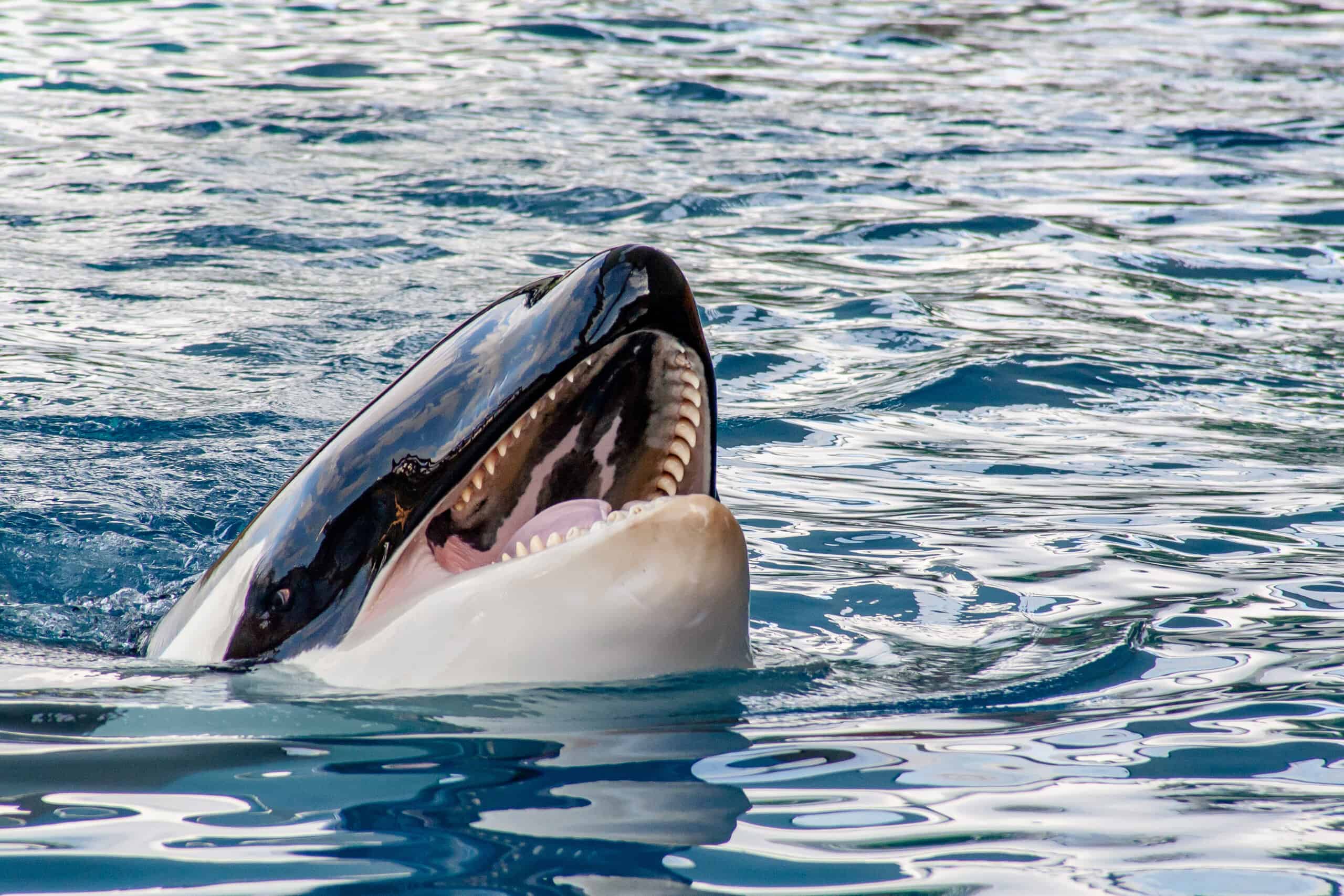
Climate change is an equally important issue. Ocean warming is altering the living conditions of many marine organisms. If the location or abundance of prey changes, orcas must adapt to these new conditions. Conservationists also raise concerns about orcas in captivity. In the wild, they can travel vast distances, live in complex family groups, and hunt independently. In captivity, opportunities for such behavior are significantly limited.
Why We Need World Orca Day
The main goal of World Orca Day is to draw attention to the lives of orcas in the wild and the threats they face. The organizers emphasize that protecting orcas is inextricably linked to protecting the oceans. The event also helps bring together scientists, conservationists, volunteers, and ordinary people interested in marine animals. The organizers support educational projects, fundraising for conservation initiatives, and the dissemination of information about orcas.
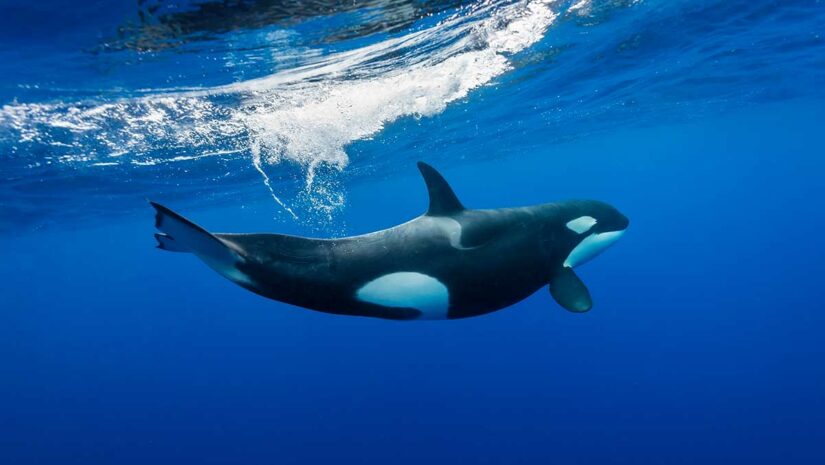
The idea is quite simple: the more people know about these animals, the easier it is to explain why they need to be protected. That’s why World Orca Day is not just about beautiful photos of orcas on social media. It’s also a conversation about ocean pollution, ship noise, the status of prey populations, and a responsible approach to marine life.
How the Day Is Celebrated
World Orca Day doesn’t have a set script or traditions, unlike national or religious holidays. People can get involved in different ways. Organizers suggest reading about orcas, watching documentaries, sharing information about them on social media, and supporting conservation projects. For children and schoolchildren, there are educational materials and activities about orcas. You can draw a marine animal, read a book about the ocean, or watch a documentary with your family.

Another option is to observe orcas in the wild. This can be done from the shore, a boat, or a kayak, but it’s important to choose responsible tour operators who do not harass the animals or force them to change their behavior for the sake of tourists. On social media, supporters of the holiday use the hashtag #WorldOrcaDay. This lets you find photos, research, educational materials, and stories about orcas from all over the world.
World Orca Day lasts longer than just one day
The organizers host not just a single day, but also World Orca Week—a themed week centered around July 14. In 2026, it ran from July 13 to 19. July is also generally referred to as World Orca Month—a month dedicated to orcas. Thus, attention to orcas isn’t limited to a single date. Throughout the month, people are encouraged to learn more about these animals, their behavior, and the challenges they face.
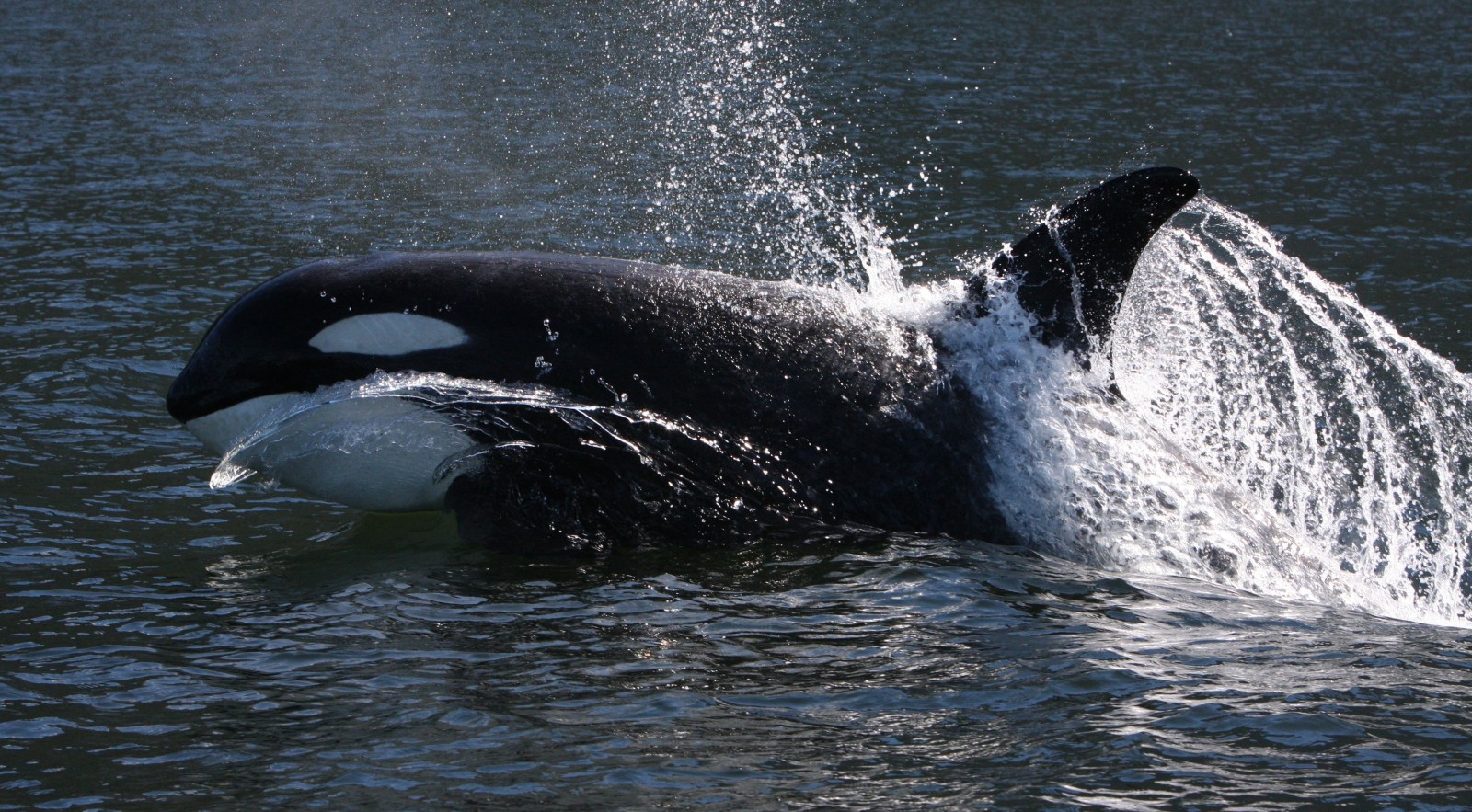
World Orca Day reminds us of a simple truth: the ocean is a complex system where everything is interconnected. An orca may seem like just a large black-and-white animal with a distinctive fin, but behind it lies a whole world of family bonds, skills, hunting, and interactions with other species. And that is precisely why protecting orcas means caring not only for a single species, but also for the health of marine ecosystems as a whole




