
Holiday on October 2: Guinea’s Independence Day Holiday on October 2, 2026 — Guinea’s Independence Day: How a Single Vote Changed the Country—The Story of One Decision

On October 2, Guinea celebrates Independence Day—it was on this day in 1958 that the country broke free from French colonial rule. Prior to that, the people of Guinea voted in a referendum to reject joining the new French Community and chose full independence. In 2026, the country will mark the 68th anniversary of this historic event.
Guinea’s Independence Day is celebrated annually on October 2. It was on October 2, 1958, that the country officially declared itself a sovereign and independent republic. Prior to that, the territory had been under French colonial rule and was part of French West Africa. Conakry became the capital of the new state, and Ahmed Sékou Touré, who led the Democratic Party of Guinea and was one of the leading figures in the independence movement, became its first president.
October 2 has become one of the key symbols of the country’s modern history. For Guineans, it signifies not merely a change in government, but the emergence of an independent state that would determine its own political and economic path. Interestingly, Guinea gained independence earlier than most other French colonies in West Africa. It became the only French territory in Africa that, in 1958, rejected the proposed status within the French Community and immediately opted for full independence.
The Road to Independence
Until the mid-20th century, Guinea was part of the French colonial system. French control over the territory was established gradually throughout the 19th century, and by the late 1800s, France had firmly consolidated its power in the region. Later, Guinea became part of French West Africa, a large colonial federation that also included Senegal, Mali, Côte d’Ivoire, Niger, Mauritania, Upper Volta, and Dahomey. Governance was carried out through the French administration, while important political decisions remained in the hands of the colonial authorities.
After World War II, the situation in Africa began to change. Political movements, labor unions, and demands for greater autonomy grew stronger in the colonies. In Guinea, one of the most prominent political figures was Ahmed Sékou Touré, who was actively involved in the labor movement and gradually emerged as one of the country’s leading figures. In 1957, his Democratic Party of Guinea won an overwhelming majority of seats in the local elections. This gave Touré’s political movement significant influence on the eve of the decisive events of 1958.
The Referendum That Changed the Country’s History
September 1958 proved to be a turning point. French President Charles de Gaulle proposed that the French colonies vote on a new constitution and the future nature of their relations with France. The territories could agree to the new system and remain part of the French Community, gaining greater autonomy. The other option was full independence, which would mean leaving the proposed system.
In Guinea, voters chose the second option. On September 28, 1958, approximately 95% of those who voted opted for full independence. This decision came as a surprise to the French authorities, as other French territories in West Africa had agreed to remain within the French Community. Guinea became the only one of the French colonies in West Africa to say “no” to the proposed framework for relations with France in that referendum.

Following the vote, the French administration began to withdraw rapidly from the country. France cut off financial aid and a significant portion of its technical support, and French experts and officials left Guinea. U.S. State Department documents from that time noted that, following the vote, France withdrew a significant portion of its personnel, equipment, and other resources. For the new state, this created serious problems right at the very beginning of its independent existence.
Who Is Sékou Touré?
Ahmed Sékou Touré emerged as a key figure in the struggle for independence. Before entering politics, he was actively involved in the labor movement and represented workers’ interests. In 1955, Touré became mayor of Conakry, and the following year he was elected to the French National Assembly. In 1957, he became vice president of the Guinean government, and after independence was declared, he led the new state.

Toure advocated that Guinea should not remain within a political system tied to France. He believed that the country should determine its own path and not depend on its former colonial power. His stance made him the leading symbol of the events of 1958. At the same time, the history of his rule after independence was significantly more complex.
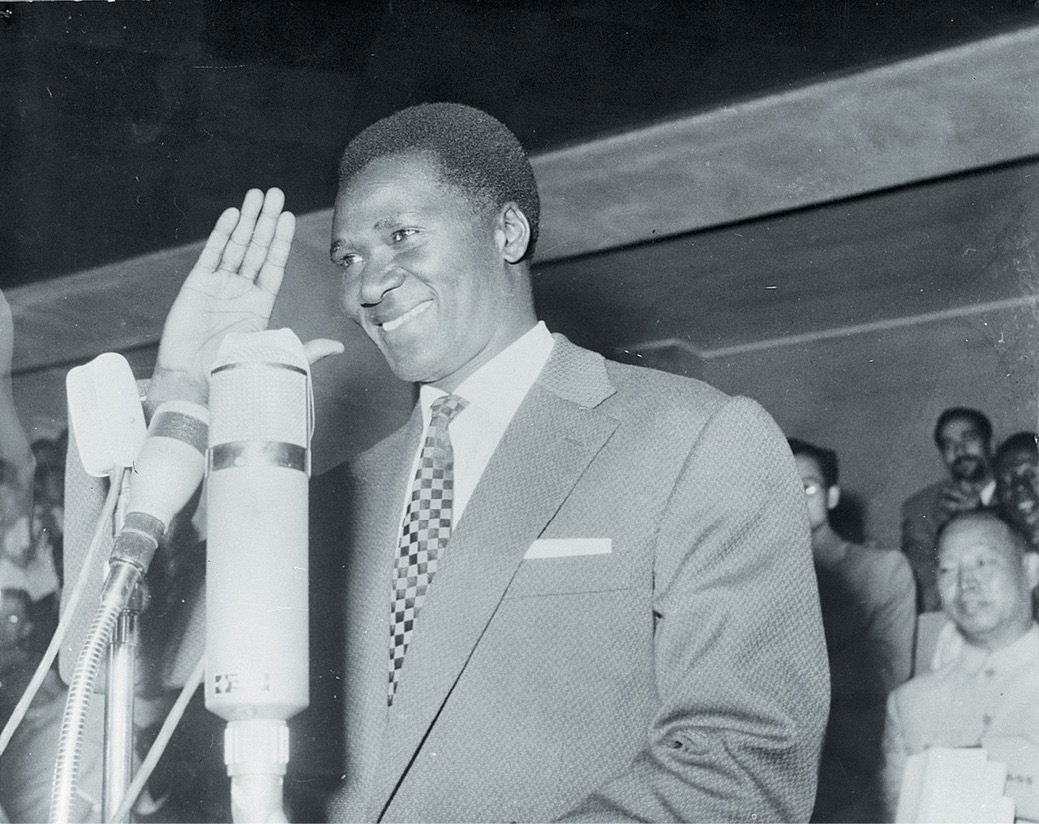
After gaining independence, Guinea’s political system gradually became a one-party system. The Democratic Party of Guinea remained the only legal political force, and Touré’s rule became increasingly centralized. During his rule, the country adopted a socialist economic model and actively cooperated with the USSR and the states of the socialist bloc. At the same time, human rights sources and historical accounts describe this period as a time of political repression, persecution of opponents, and mass emigration.
Why Guinea’s Independence Was a Significant Event
Guinea gained independence at a time when a rapid process of decolonization was underway across Africa. Over the following years, former French and British colonies gained independence one after another. But Guinea stood out because it refused to accept a transitional arrangement with France. It immediately opted for full sovereignty, even though it understood that this could lead to economic difficulties.

That is why 1958 became an important year not only for Guinea itself. Its decision became one of the defining moments of African decolonization. The country demonstrated that a former colony could reject the proposed system and demand full political autonomy. At the same time, independence did not mean that all problems would be automatically solved. The new state had to build its administration, economy, education system, and international relations almost from scratch.
How Independence Day Is Celebrated
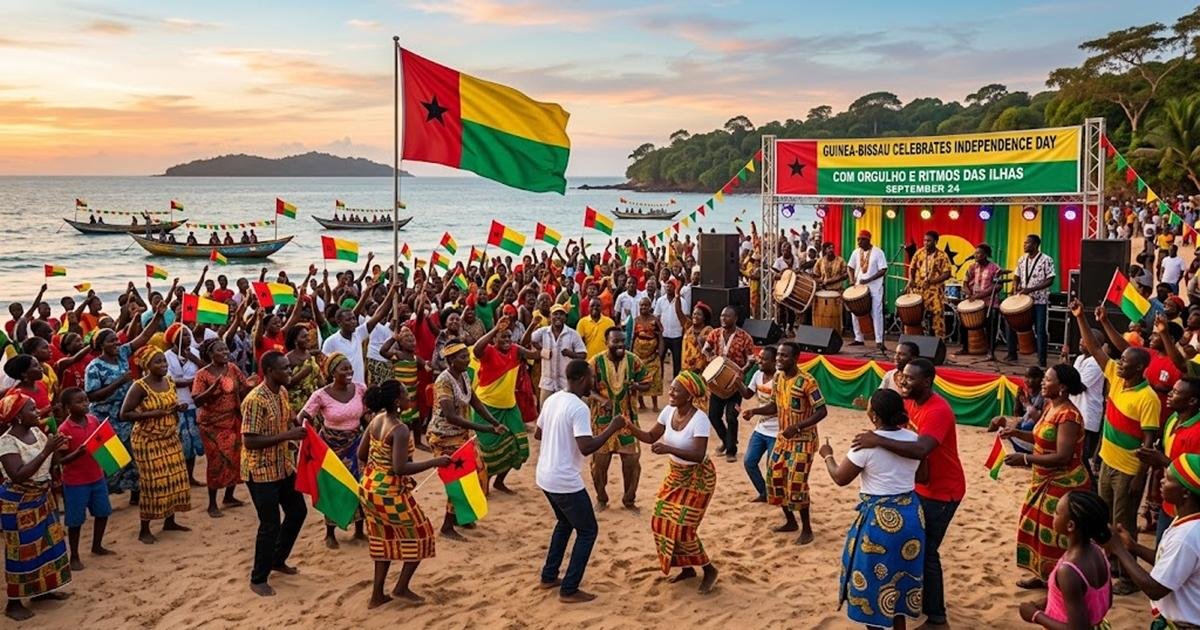
Today, October 2, is Guinea’s main national holiday. Celebrations take place in Conakry and other cities across the country. One of the traditions is official commemorative ceremonies, during which government officials lay wreaths and flowers at memorials dedicated to those who fought for independence. These ceremonies are accompanied by speeches from government officials, military representatives, and members of the public.

The program of celebrations has varied over the years. It has included military and civilian parades, cultural events, concerts, exhibitions, sporting events, and public activities. For example, in 2023, the celebrations included a military and paramilitary parade, as well as ceremonies honoring the country’s former leaders. In 2024, the official events began with a wreath-laying ceremony at Martyrs’ Square in Conakry.
The holiday is also used as an opportunity to discuss not only the country’s past but also its future. Each year, the government selects a specific theme for the celebrations, linking the history of independence to current issues in Guinea’s development. In 2025, the main theme was economic sovereignty. In 2026, the celebrations were dedicated to youth and their role in the country’s future.
What’s Happening in 2026
In 2026, Guinea is celebrating the 68th anniversary of its independence. This year, the celebrations are taking place not just on a single day, but as part of a special National Independence Week. It officially began on September 25 and is scheduled to end on October 2. According to government agencies, the central theme of this year’s events is youth—“drawing inspiration from the past to build the future together.”
The program includes events involving young people, representatives of government agencies, and civil society organizations. Special emphasis is placed on education, vocational training, entrepreneurship, innovation, and the participation of young people in the country’s development. Community events are also being held in the run-up to the holiday. For example, on September 26, 2026, a large-scale cleanup and beautification operation took place in Conakry with the participation of local government officials.
Such events demonstrate that modern Independence Day celebrations in Guinea are not merely official ceremonies. Efforts are made to turn the holiday into a full week of events involving various regions and segments of the population. The provinces also hold their own ceremonies, wreath-laying ceremonies, and community events. For example, in 2025, Independence Day was celebrated in the city of Gekedu with the participation of local authorities, security forces, young people, and representatives of various professions.
Interesting Facts About Guinea’s Independence
Guinea was the only French colony in West Africa that withdrew from the French Community in 1958. Other territories agreed to the proposed model of autonomy, and many of them later became independent as well. Guinea, however, decided not to wait and immediately declared full sovereignty. That is why its independence became a particularly significant event in the history of African decolonization.
Another interesting point is that the referendum took place on September 28, and independence was proclaimed on October 2. In other words, only a few days passed between the public vote and the official proclamation of the state. The French administration began to rapidly wind down its presence, and the country’s new leadership had to take over the running of the state almost immediately. This made the transition to independence very rapid and challenging.
Guinea also became one of the first independent states in the territory of former French West Africa. Earlier, in 1957, Ghana had gained independence, serving as an important example for other African national movements. Against the backdrop of these developments, the idea of political self-determination spread rapidly across the continent. Guinea’s leadership also actively supported the ideals of African solidarity and cooperation among the newly independent states.
Why October 2 Is Important for Guinea
For modern Guinea, October 2 is the day on which the events that marked the beginning of the independent state are commemorated. The celebrations center on remembering those who participated in the struggle for self-determination and on the significance of the 1958 decision. The country’s authorities traditionally use this date to call for national unity, peace, and development. In 2025, for example, official events were accompanied by tributes to the “martyrs” whom the state associates with the struggle for freedom and independence.
At the same time, the history of independent Guinea is not limited to this festive chapter. After 1958, the country endured a difficult period under the rule of Sékou Touré, political repression, economic problems, and subsequent military coups. Therefore, contemporary commemorations of independence combine pride in the emergence of a sovereign state with the memory of the difficult path Guinea has traveled since 1958. This makes October 2 not just a holiday, but an important part of the country’s historical memory.
In 2026, Guinea’s Independence Day falls on Friday, October 2. This year, the country is celebrating the 68th anniversary of its declaration of independence, and the festivities are taking place as part of National Independence Week. The main focus is on young people, their education, their participation in the life of the country, and their role in Guinea’s future.




