On July 21, Belgium celebrates its main national holiday—National Day of the Kingdom of Belgium. This date is not directly linked to the country’s declaration of independence, but rather to an event that became a symbol of the creation of the new state—the oath taken by Belgium’s first king, Leopold I, in 1831. It was on this day that the monarch swore allegiance to the Constitution and officially ascended the throne, founding the Belgian royal dynasty.
The history of Belgium’s National Day begins with the events of 1830, when the Belgian Revolution broke out in the country. At that time, the Belgians rose up against Dutch rule and began the struggle to establish their own independent state. On October 4, 1830, Belgium’s independence was proclaimed, and a few months later, the country adopted its own Constitution.
This raised the question of the future form of government and the choice of a monarch. The Belgian National Congress invited Prince Leopold of Saxe-Coburg-Gotha to the throne. On July 21, 1831, in Brussels, he took the constitutional oath and became the first king of the Belgians under the name Leopold I. It was this event that became the basis for the modern National Day. Interestingly, Belgium’s main national holiday originally fell on a different date. It was not until 1890 that a law officially established July 21 as the country’s National Day. Prior to that, the celebrations were linked to other events of the revolutionary period.
When Is the Holiday Celebrated?
Belgium’s National Day is celebrated annually on July 21. In 2026, this date falls on a Tuesday and is an official holiday for the country. It is one of Belgium’s ten official national holidays. For Belgians, this day is not only a reminder of the history of the monarchy but also an opportunity to celebrate the unity of the country, which consists of different linguistic and cultural regions—Flanders, Wallonia, and the Brussels-Capital Region.
How National Day Is Celebrated
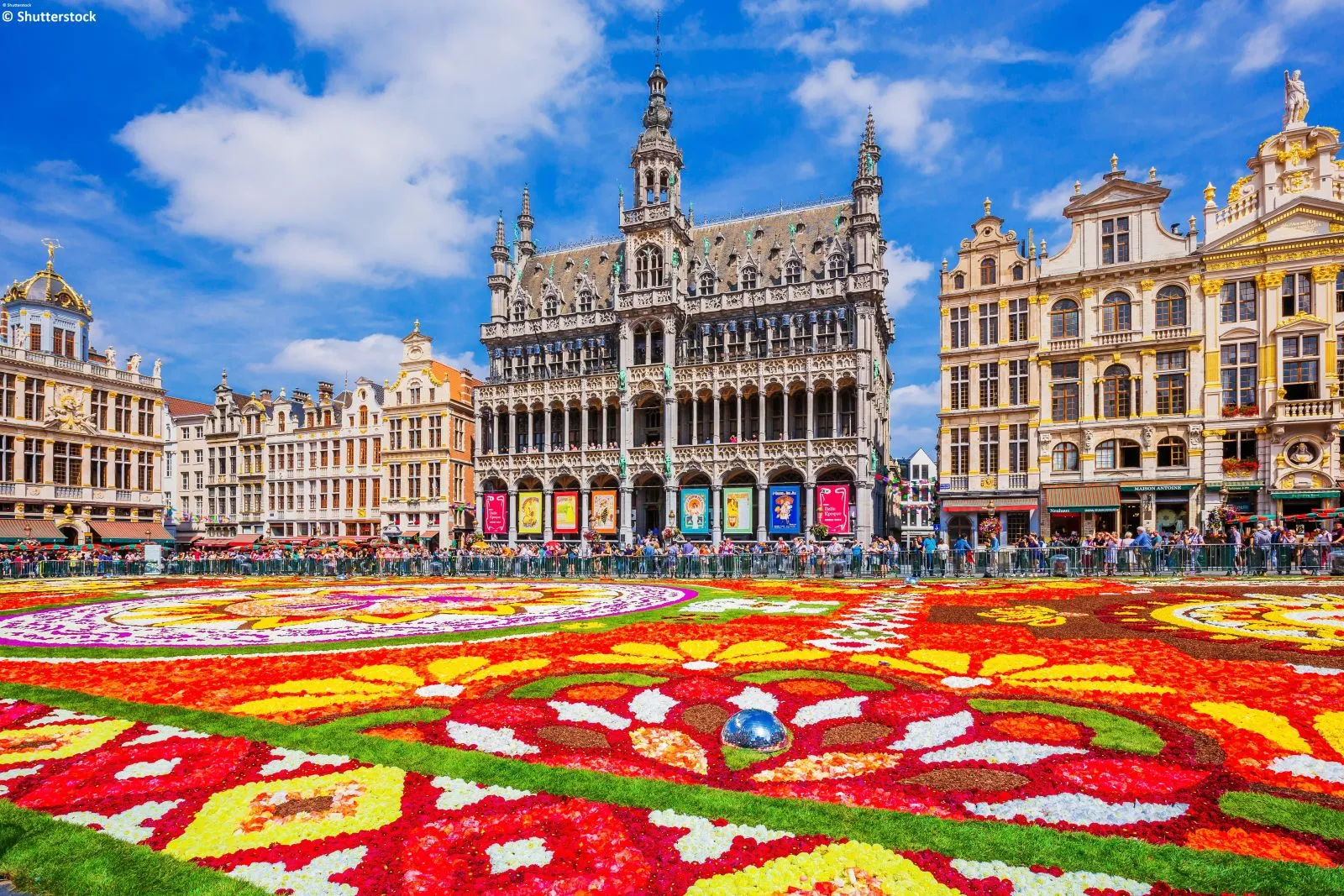
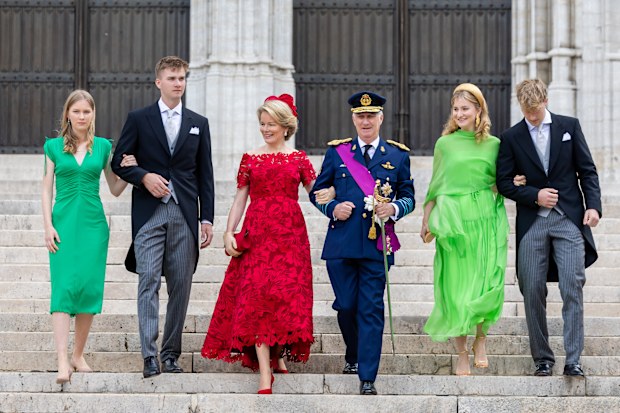
The main celebrations take place in the capital—Brussels. Traditionally, the central event is a large military and civilian parade featuring members of the armed forces, security services, emergency responders, and various government agencies. The royal family is usually in attendance. On this day, the streets of Brussels are decorated with Belgian flags—black, yellow, and red. In the city center, there are concerts, fairs, cultural events, and various entertainment options for residents and tourists.
One of the most popular places to celebrate is the Royal Park in Brussels, where free events are organized for visitors. There, you can enjoy musical performances, presentations by government agencies, sports activities, and themed events. In the evening, the celebrations often conclude with a large concert and a festive fireworks display. Various cities across Belgium also host their own events—ranging from small local festivals to large-scale city-wide programs.
Interesting Facts About the Holiday
One of the main features of Belgium’s National Day is that it commemorates not the 1830 independence itself, but rather the establishment of the constitutional monarchy. In other words, Belgians celebrate not only the birth of the state but also the beginning of a new political system.
Leopold I, who founded the Belgian dynasty, was not of Belgian origin. He came from the German House of Saxe-Coburg and Gotha but was chosen as the first king of the new European state.
The Belgian monarchy has endured to this day, and National Day remains one of the country’s most important symbols. For many Belgians, it is not just an official date on the calendar, but a day to celebrate the history, culture, and traditions of their kingdom. Today, July 21 combines historical remembrance, respect for the monarchy, and a modern national holiday that brings people together across Belgium every year.