
Holiday on July 25, 2026 — Spain celebrates Galicia Day
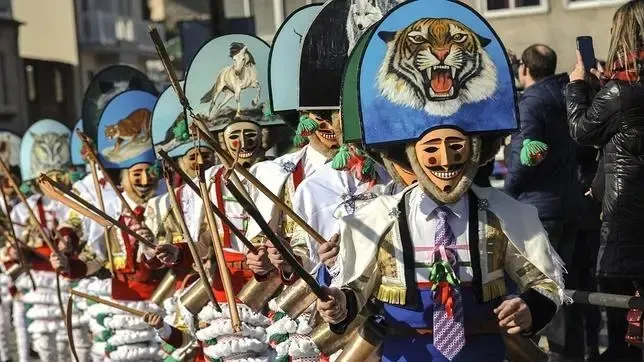
Galicia’s National Day is celebrated every year on July 25. For the residents of this region of Spain, it is not just an official holiday, but a day to reflect on their history, culture, language, and centuries-old traditions.
On this day, cities host concerts, festivals, festive parades, and religious ceremonies. The largest celebrations traditionally take place in Santiago de Compostela—the capital of Galicia—where thousands of pilgrims and tourists from around the world gather each year.
Galicia’s National Day (Día Nacional de Galicia or Día da Patria Galega) is the main holiday of the autonomous community of Galicia in northwestern Spain. It is officially celebrated every year on July 25. The date coincides with the feast day of St. James (Santiago), who is considered the patron saint of Galicia and all of Spain. That is why both civic and religious traditions are combined on this day.

The history of this holiday began over a hundred years ago. In 1919, representatives of the cultural and nationalist movement Irmandades da Fala proposed designating July 25 as a day dedicated to Galicia. The holiday was celebrated for the first time as early as 1920. After the restoration of democracy in Spain, the Galician government officially designated this day as the region’s National Day in 1979.
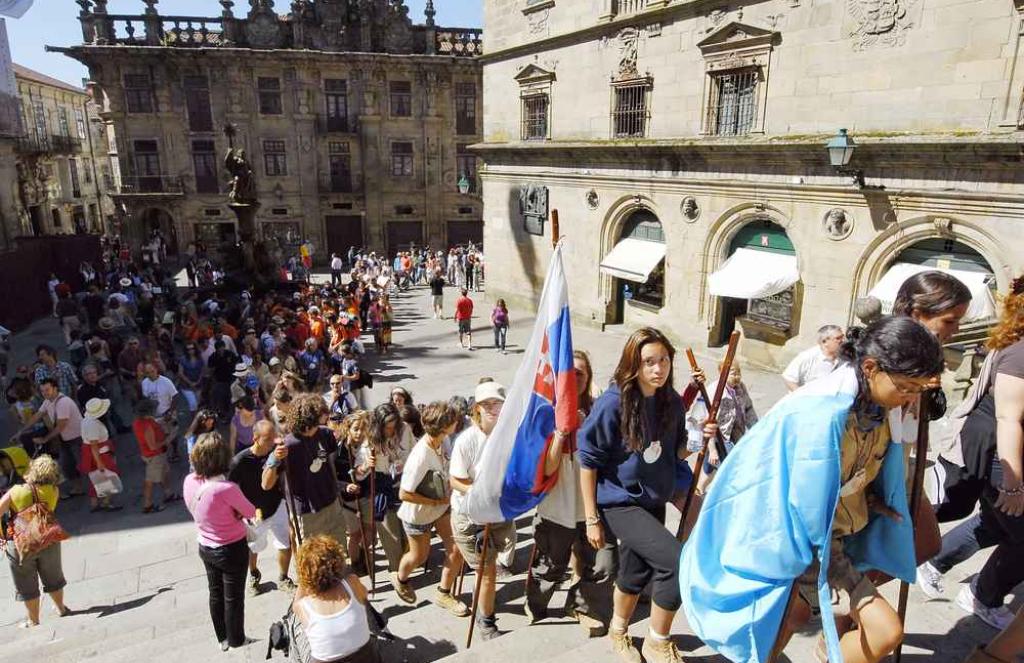
Most of the festive events take place in Santiago de Compostela. This city is one of the most important centers of Christian pilgrimage in the world. According to church tradition, the relics of the Apostle James are kept here. Every year, thousands of people walk the famous pilgrimage route, the Camino de Santiago, to arrive in the city on the eve of the holiday.
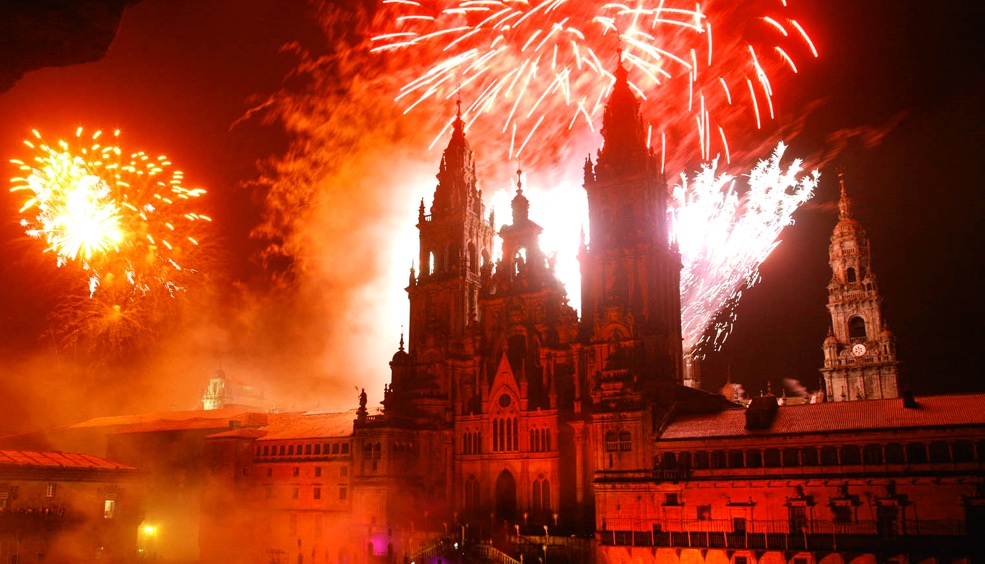
The celebrations begin on the evening of July 24. One of the most famous traditions is a large-scale light and fireworks show in Obradoiro Square near the Cathedral of Santiago de Compostela. Every year, thousands of people gather to witness this spectacle. It is considered the symbolic start of Galicia’s main holiday.

On July 25, the region hosts solemn church services, official ceremonies attended by government officials, open-air concerts, folk craft fairs, theater performances, and festivals. In the central squares, musical groups perform, traditional Galician music plays, and people dance folk dances. The gaita, a traditional Galician musical instrument, plays a special role in the celebration. Due to the region’s Celtic past, its melodies closely resemble Irish and Scottish music. That is why Galicia is often called “Celtic Spain.”
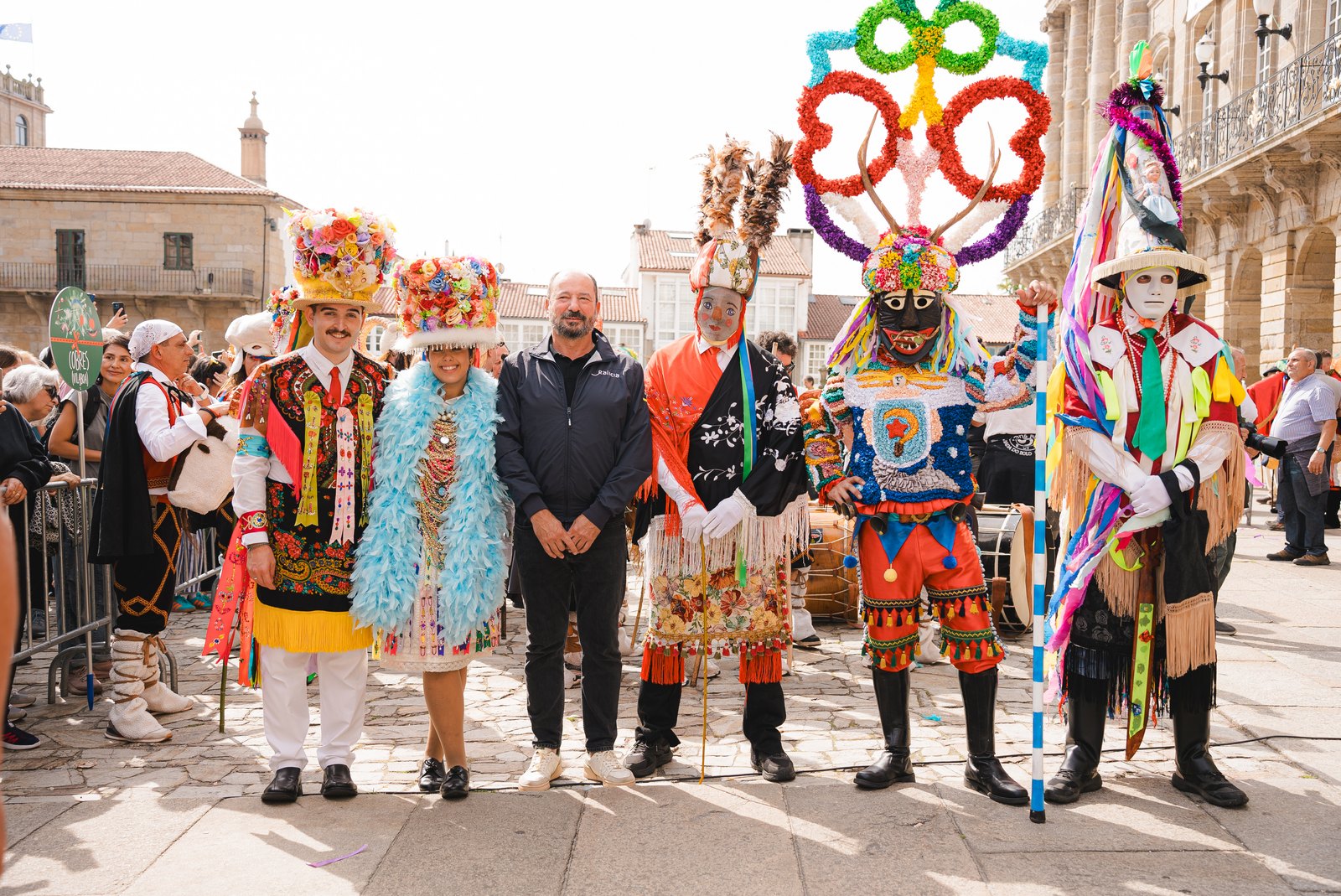
Another important part of the festival is the local cuisine. At fairs and festivals, you can sample Galician-style octopus (Pulpo a la Gallega), empanadas, local cheeses, seafood, homemade bread, and traditional desserts. For many families, a festive dinner is just as important a tradition as attending concerts. On this day, the region’s white-and-blue flags fly from buildings throughout Galicia. Locals wear traditional costumes, and many travel home from other cities or countries specifically to celebrate with their families.
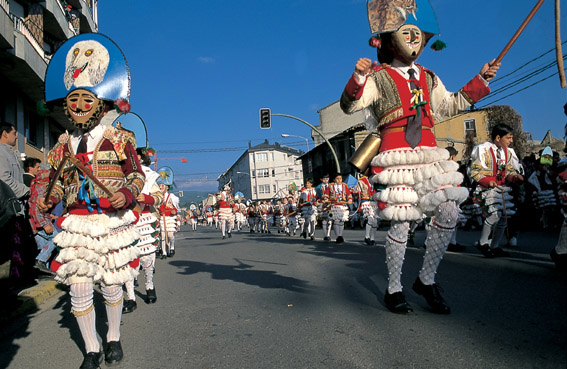
Galicia’s National Day also holds great cultural significance. It is an opportunity to highlight the Galician language, literature, music, and traditions that have shaped the region’s unique identity for centuries. During the celebrations, there are often exhibitions, book presentations, historical reenactments, and events dedicated to cultural heritage.
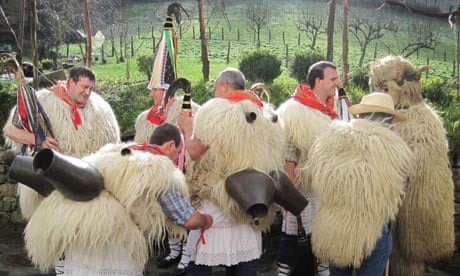
Interestingly, the holiday has several names. Officially, it is called Galicia’s National Day, but many residents use the historical name Día da Patria Galega—Day of the Galician Homeland. Both names are widely used in the region today.

Another interesting fact is that the celebrations last more than one day. In Santiago de Compostela, the festival program usually begins as early as mid-July and includes dozens of concerts, performances, art exhibitions, sporting events, and cultural activities. The culmination of all the festivities takes place on July 25, when Galicia celebrates its main holiday of the year.


