$ 44.89 € 51.06 zł 11.83
+21° Kyiv +18° Warsaw +22° Washington

July 25 Holiday: Republic Day in Tunisia Brings the Country Together

July 25 Holiday: Republic Day in Tunisia Brings the Country Together

On July 25, Tunisia celebrates Republic Day—one of the country’s major national holidays. It was on this day in 1957 that the monarchy was abolished and a republic was proclaimed, opening a new chapter in the history of independent Tunisia.

Every year on July 25, Tunisians celebrate Republic Day. It is an official national holiday and a day off, marked by celebrations, official ceremonies, and cultural events throughout the country. For Tunisians, this date symbolizes the end of the monarchy and the beginning of the republican system, which shaped the country’s subsequent development.

День Республіки у Тунісі

Today, it is not only a historic date but also an opportunity to reflect on the events that shaped modern Tunisia. Schools, museums, and government institutions host themed events dedicated to the country’s history, while festive concerts and performances are organized in the central squares of cities.

How Republic Day Came to Be

The history of the holiday began after Tunisia gained independence from France. The country became independent on March 20, 1956, but initially remained a constitutional monarchy. King Muhammad VIII al-Amin of the Husaynid dynasty was the head of state.

Як з'явився День Республіки в Тунісі

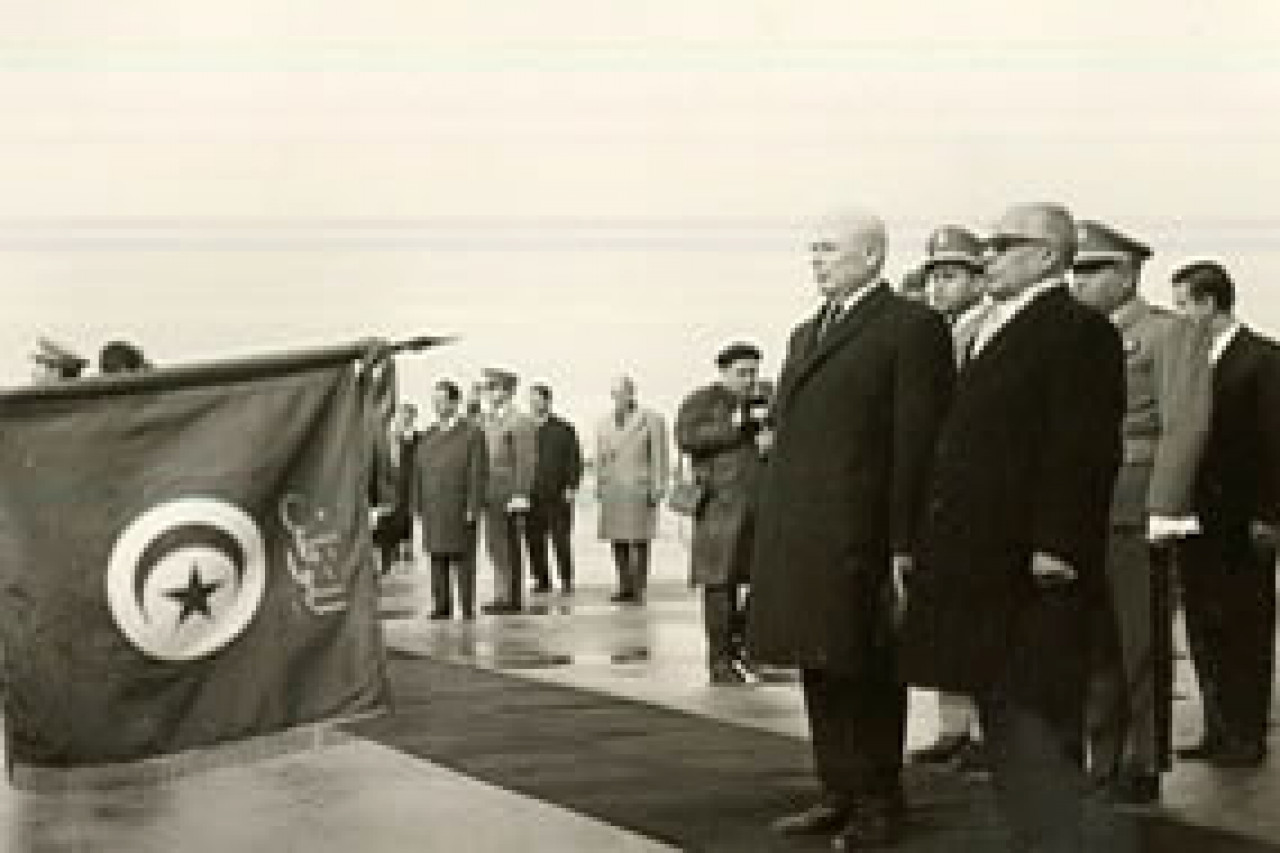
However, within a year, the political situation had changed. On July 25, 1957, the National Constituent Assembly passed a historic resolution—it completely abolished the monarchy and proclaimed Tunisia a republic. One of the leaders of the struggle for independence, Habib Bourguiba, became the country’s first president and led the nation for more than three decades. It is this date that became a national holiday, commemorating the birth of the modern Tunisian state every year.

Why This Holiday Is Important

For Tunisians, Republic Day means much more than just a change in the form of government. It symbolizes the country’s right to determine its own future after decades of French protectorate rule.

Republic Day in Tunisia

It was after the proclamation of the republic that large-scale state reforms began in the country. The government actively developed the education system, healthcare, public administration, and women’s rights. Many historians believe that these changes laid the foundation for modern Tunisia. For many Tunisians, this is a day to take pride in their history and to honor those who helped establish an independent state.

How Republic Day Is Celebrated

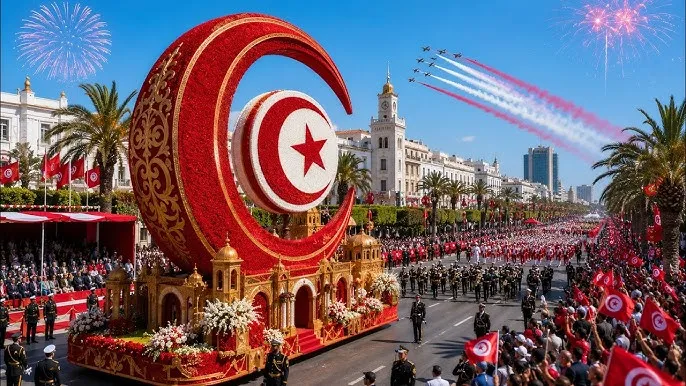
The celebrations begin with official ceremonies in the capital, Tunis. Government officials lay flowers at monuments to statesmen, and solemn events are held with the participation of military personnel, diplomats, and the public. Many cities host concerts, festivals, exhibitions, theatrical performances, and cultural programs. Musicians and dance troupes often perform in central squares, and in the evening, some cities put on festive fireworks displays.

День Республіки у Тунісі

For many families, this day is also an opportunity to spend time together. People gather for family dinners, take walks around the city, or head to the Mediterranean coast. Since the holiday falls in the middle of summer, many Tunisians combine it with a vacation.

Interesting Facts About Republic Day

One of the most interesting facts is that July 25 has repeatedly marked a day of significant political events in Tunisia’s modern history. On this very day, in various years, decisions were made that significantly influenced the country’s development, which is why the date holds special symbolic significance for the nation.

День Республіки у Тунісі

Another interesting fact is that the monarchy in Tunisia lasted for more than two and a half centuries. After its abolition, the country definitively transitioned to a republican form of government, which remains in place today. Although Republic Day is an official holiday, it has not only political but also cultural significance. On this day, museums, historical centers, and cultural institutions often offer free or themed tours so that more people can learn about their country’s history.

Symbols of the Holiday

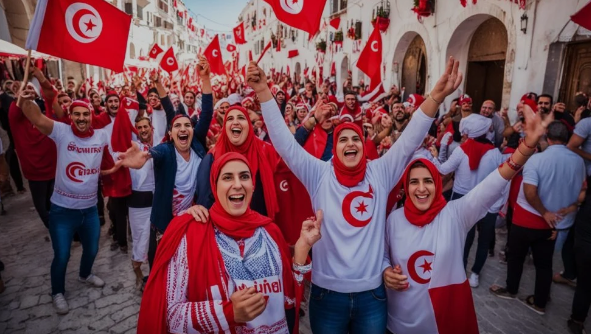
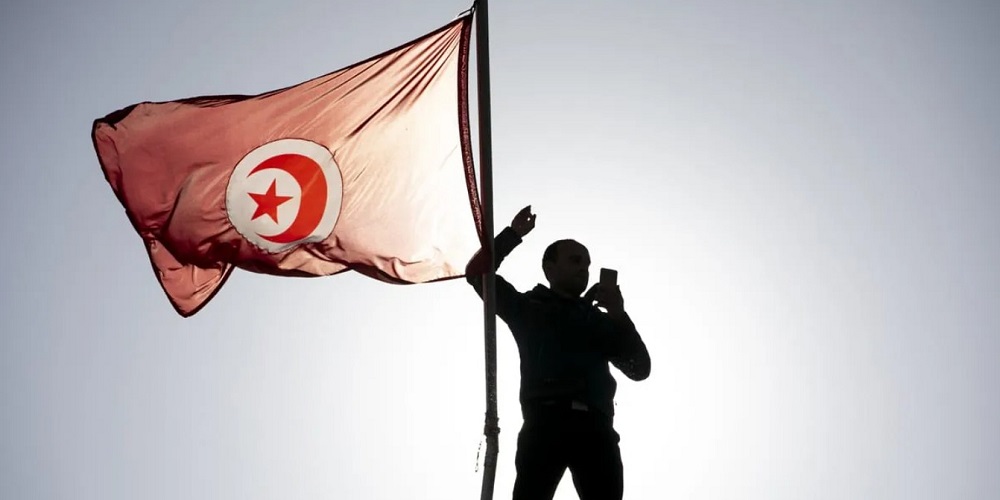
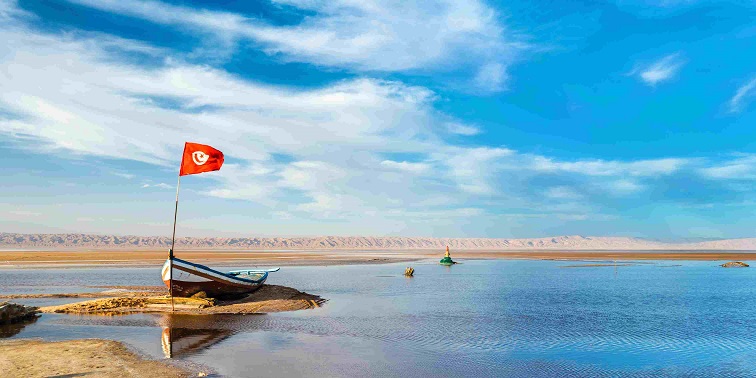
During the celebrations across the country, you can see Tunisia’s national flags—red banners with a white circle featuring a crescent and a star. They adorn government buildings, squares, homes, and streets. In their speeches, officials traditionally mention the struggle for independence, the country’s first leaders, and the importance of preserving the nation’s sovereignty. For young people, public lectures and historical exhibitions are often held on this day to recount the events of 1957.

День Республіки у Тунісі

Today, Republic Day remains one of Tunisia’s most important national holidays. It commemorates the moment when the country definitively abandoned the monarchy and began a new chapter in its history as an independent republic. For Tunisians, it is not just a day off, but also a symbol of statehood, unity, and national memory.

Read us on Telegram and Sends

Download our app