
Holiday on July 25, 2026 — Lumberjack Day in the United States
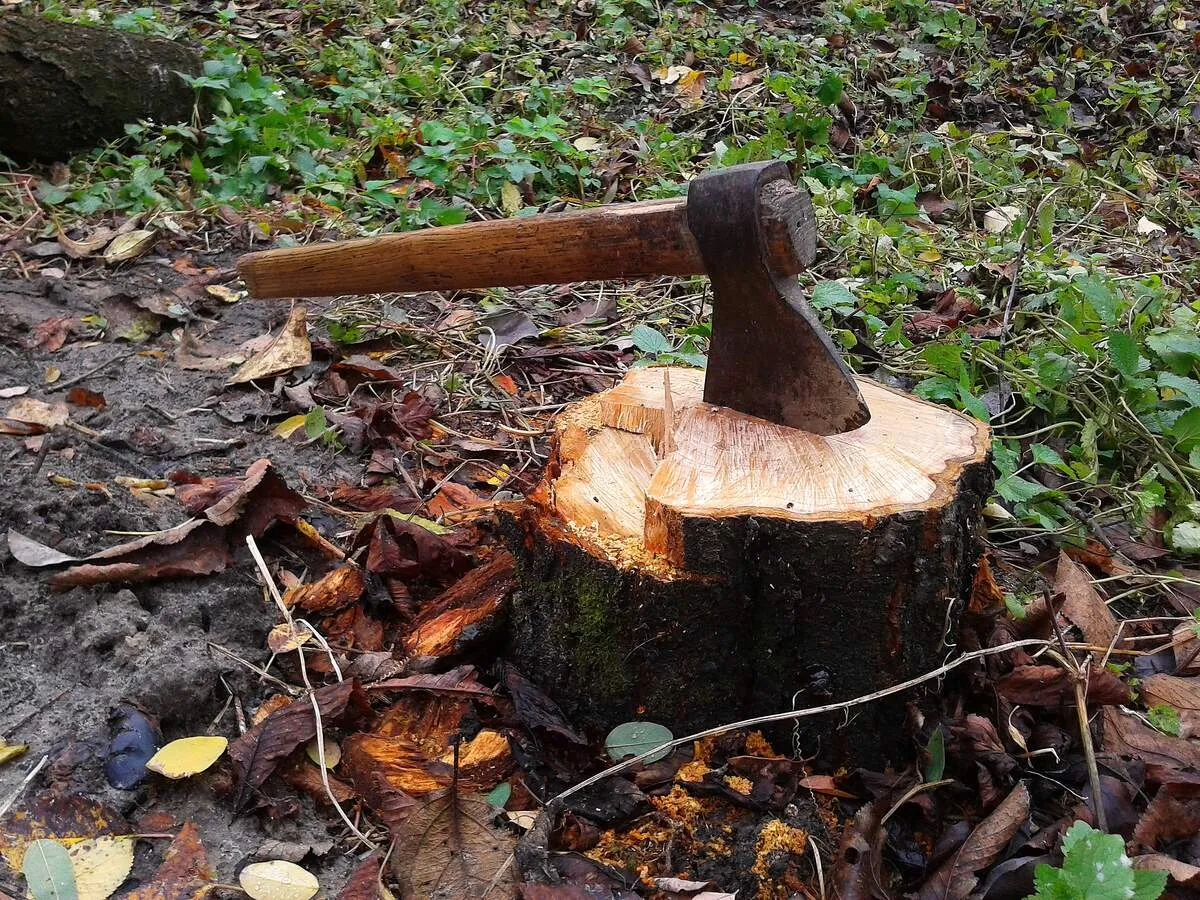
In the U.S., Lumberjack Day is celebrated every year—an unofficial holiday dedicated to the people whose hard work helped settle the country and develop its industry. On this day, people reflect on the history of lumberjacks and hold themed festivals, sports competitions, and family events outdoors.
Lumberjack Day in the U.S. is an unofficial holiday celebrated annually on July 25. It honors the people who, for centuries, worked in the forests, harvested timber, and made a significant contribution to the country’s development. It was thanks to their labor that cities, railroads, ships, and homes were built, and timber became one of the most important resources for the U.S. economy.
Although the holiday is not a federal holiday, it is well known in many U.S. states. This is especially true in places where the forestry industry has historically been a major sector—in Wisconsin, Minnesota, Michigan, Maine, and the Northwest. For local residents, it’s not only an opportunity to reflect on history but also a way to uphold their communities’ traditions.
How the Holiday Came to Be
The history of Lumberjack Day is tied to a profession that, in the 19th and early 20th centuries, was considered one of the hardest and most dangerous in North America. Before the advent of modern technology, trees were felled by hand using axes and large saws, and work had to be done in all kinds of weather—from severe frosts to sweltering heat. Lumberjacks lived for months in special camps far from cities, and their work required immense physical strength and endurance.
Over time, the image of the American lumberjack became part of the country’s culture. Books were written and movies were made about him, and the profession became a true symbol of strength, courage, and life in the wilderness. That is why the idea arose to dedicate a special day to the people in this profession.
How Lumberjack Day Is Celebrated
Across various states, festivals, fairs, and spectacular sports competitions are held on this day. The most attention is drawn to so-called “timbersports”—tournaments in which participants demonstrate their professional lumberjack skills. Among the popular disciplines are:
- speed log splitting with an axe;
- sawing wood with hand saws and chainsaws;
- climbing tall tree trunks;
- balancing and running on logs over water;
- axe-throwing for accuracy.

These competitions attract hundreds of athletes and thousands of spectators. For many Americans, they have become a distinct sport that combines physical strength, technique, and speed. In addition to the athletic program, the festivities feature concerts, exhibitions of antique tools, woodworking workshops, fairs featuring local producers, and children’s entertainment. Some cities have forestry museums where you can see how lumberjacks lived and worked over a hundred years ago.
Interesting Facts About American Lumberjacks
The image of the lumberjack has long been part of American folklore. The most famous character is Paul Bunyan—a legendary giant lumberjack who, according to legend, could fell enormous trees with a single swing of his axe, and whose faithful friend was a giant blue bull named Babe. Legends about him originated in the 19th century among the lumberjacks themselves, who would tell incredible stories around the evening campfire after a hard day’s work. Over time, this character became one of the most famous symbols of American folklore.
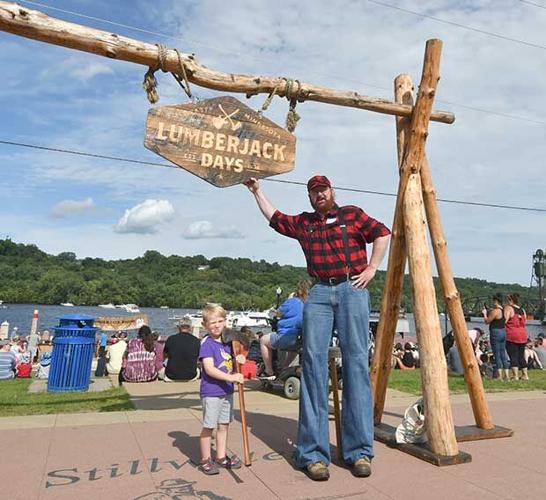
Another interesting fact is that modern woodcutting competitions have international status. Championships are held annually in the U.S., attracting competitors from Canada, Australia, New Zealand, and European countries. Many of the disciplines have remained virtually unchanged since the days when they were a routine part of working in the woods.
Why This Holiday Remains Popular
For Americans, Lumberjack Day is first and foremost an opportunity to honor the people who, in their time, helped build the country literally with their own hands. It serves as a reminder of the challenging history of settling the vast forests of North America and of a profession that has become part of the national culture.

Today, this holiday has taken on a more family-oriented and cultural character. It combines history, sporting events, traditions, and outdoor recreation, while also highlighting the importance of forests and the need for responsible stewardship of natural resources. For many communities, Lumberjack Day remains an occasion to preserve local traditions and introduce the younger generation to the history of their region.




