
Holiday June 26: Crimean Tatar Flag Day is celebrated in Ukraine
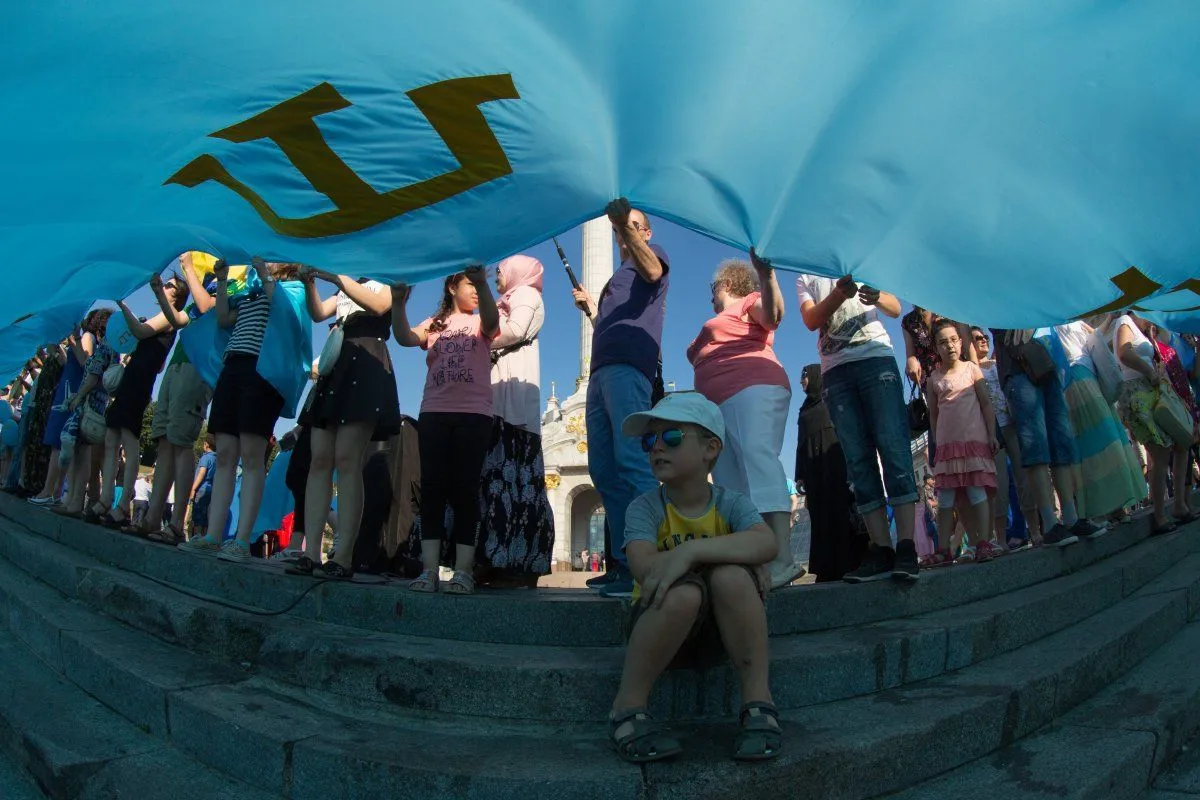
On June 26, Crimean Tatars in Ukraine and around the world celebrate Crimean Tatar Flag Day. This holiday is dedicated to one of the main symbols of the Crimean Tatar people—the blue flag with a gold tamga. For many Crimean Tatars, this flag has become not only a national symbol but also a symbol of the struggle for the right to live on their own land, preserve their culture, and honor the memory of their history.
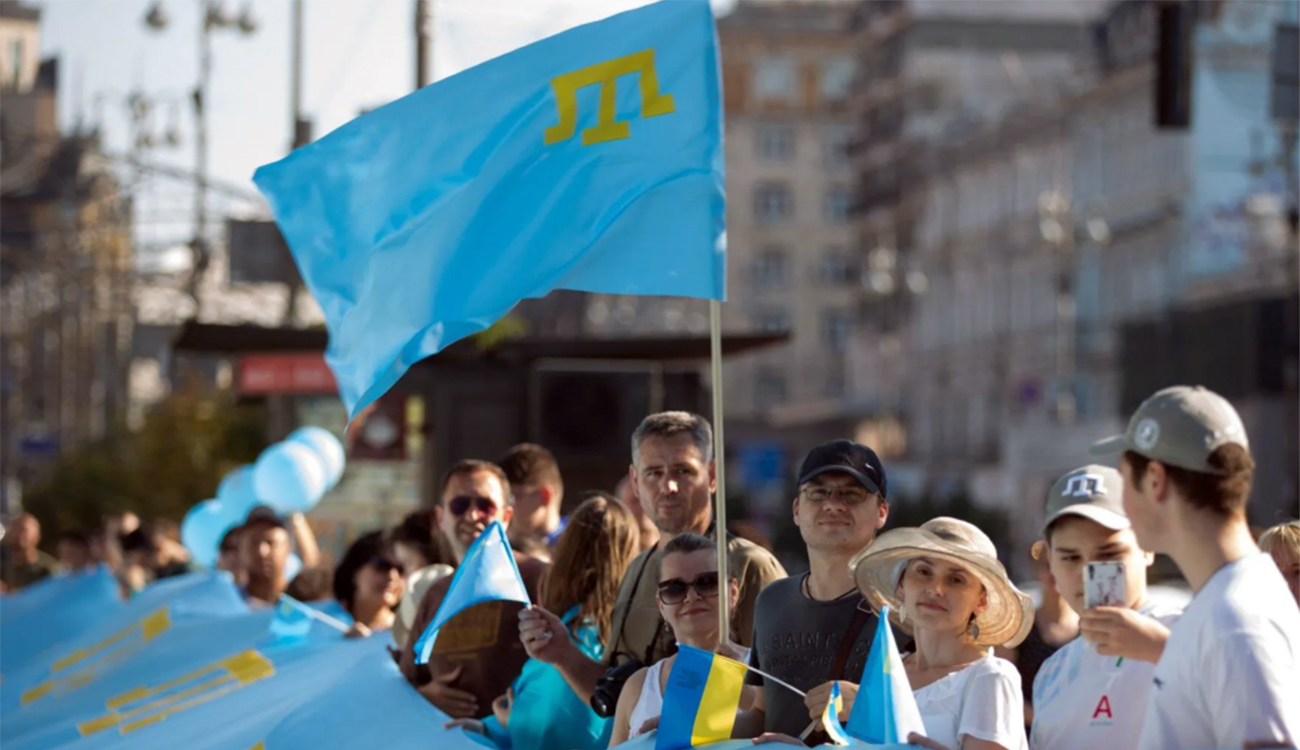
Every year on June 26, Crimean Tatars celebrate Crimean Tatar Flag Day—a holiday that has become one of the most important for the people in recent years. On this day, in various cities across Ukraine and around the world, the national flag is raised, and cultural events, exhibitions, concerts, and rallies in support of Crimea are held.

For the Crimean Tatars, the flag is much more than just a national symbol. It serves as a reminder of the people’s centuries-old history, their deportation, their return to their homeland, and their struggle for their rights. This holiday became particularly important after Russia’s occupation of Crimea in 2014, when the flag also became a symbol of resistance and unity.
When is Crimean Tatar Flag Day celebrated?
The holiday falls on June 26 every year. It was on this day in 2010 that Crimean Tatar civil society organizations proposed officially observing Crimean Tatar Flag Day. The initiative was supported by representatives of the Mejlis and activists, and the date subsequently became significant for Crimean Tatars not only in Ukraine but also beyond its borders. Today, June 26, the holiday is celebrated in Kyiv, Lviv, Odesa, Warsaw, Berlin, Ankara, and many other cities where Crimean Tatar communities reside.
The History of the Crimean Tatar Flag
The history of the flag dates back more than a century. The modern Crimean Tatar flag was first adopted in 1917 during the First Kurultai of the Crimean Tatar people in Bakhchysarai. At that time, the Crimean Tatars were attempting to establish their own democratic state following the collapse of the Russian Empire.
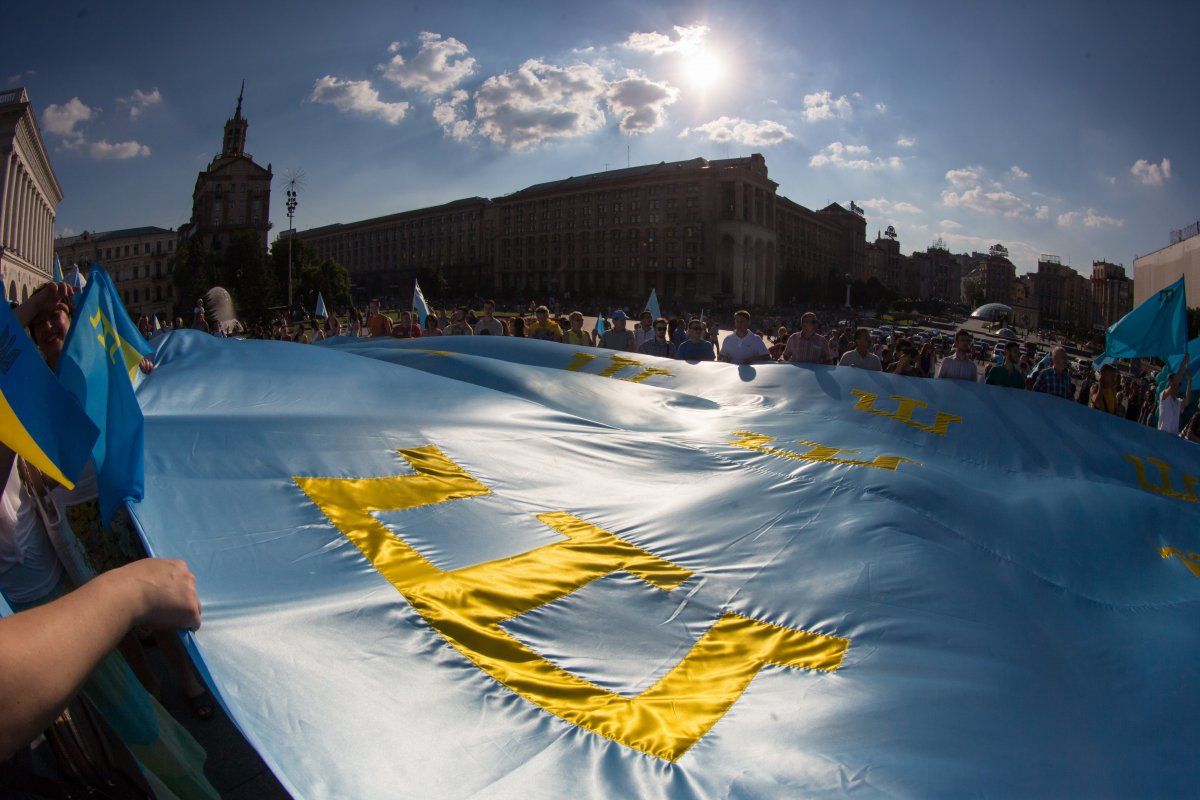
The flag featured a blue field with a golden tamga in the upper left corner. The tamga is the ancestral emblem of the Geray dynasty, which ruled the Crimean Khanate for centuries. After the establishment of Soviet rule, the use of national symbols was effectively banned. And following the deportation of the Crimean Tatars in 1944, the flag remained one of the few symbols that reminded the exiled people of their native Crimea. In the late 1980s and early 1990s, when Crimean Tatars began returning home en masse, the flag reappeared at rallies and public events.
What the Colors and Symbols of the Flag Mean
At first glance, the flag looks quite simple, but each of its elements has a special meaning. The color blue is traditionally considered the color of the Turkic peoples. It symbolizes the clear sky, freedom, peace, and spirituality.

The golden tamga in the upper corner is one of the oldest symbols of the Crimean Tatar people. It was used as far back as the time of the Crimean Khanate and appeared on coins, documents, and state seals. That is why the Crimean Tatars often refer to their flag as a symbol of historical continuity and the bond between generations.
How the holiday is celebrated
Crimean Tatar Flag Day is observed without grand military parades or large-scale state ceremonies. Its main feature is an atmosphere of unity. In various cities, people display Crimean Tatar flags on their homes, cars, and public buildings. Car parades, concerts, exhibitions, flash mobs, and public lectures on the history of Crimea are held.
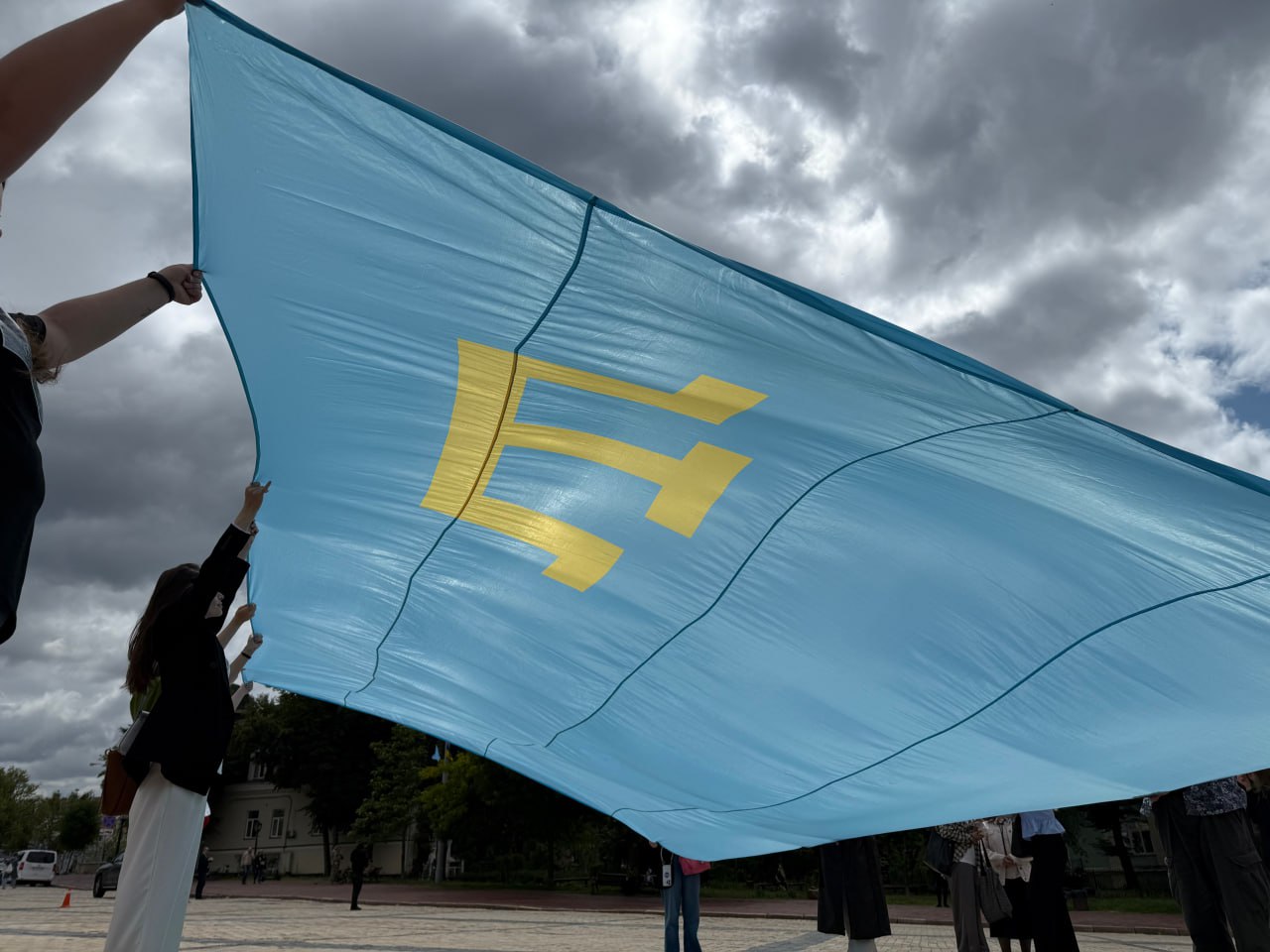
Schools and universities often organize themed lessons dedicated to the culture of the Crimean Tatar people. Group photos with the flag have become a special tradition. On social media, thousands of people post photos featuring the blue flag and messages of support for Crimea. Every year, Ukrainian government agencies, diplomatic missions, and international organizations also join in the celebrations.
Why This Holiday Became Especially Important After 2014
Following the occupation of Crimea, the significance of the Crimean Tatar flag has grown substantially. For many people, it has become a symbol of opposition to the occupation of the peninsula and a reminder that Crimea remains part of Ukraine.

It was the Crimean Tatars who were among the first to openly oppose the Russian occupation in 2014. As a result, many activists faced persecution and arrest and were forced to leave the peninsula. Under these circumstances, the flag has become a symbol of solidarity and support for those who continue to live in occupied Crimea.
Interesting Facts About the Crimean Tatar Flag
Few people know that the Crimean Tatar flag is one of the oldest national symbols among the Turkic peoples of Europe. Every year, on the eve of the holiday, huge flags tens of meters long are unfurled in many cities across Ukraine.
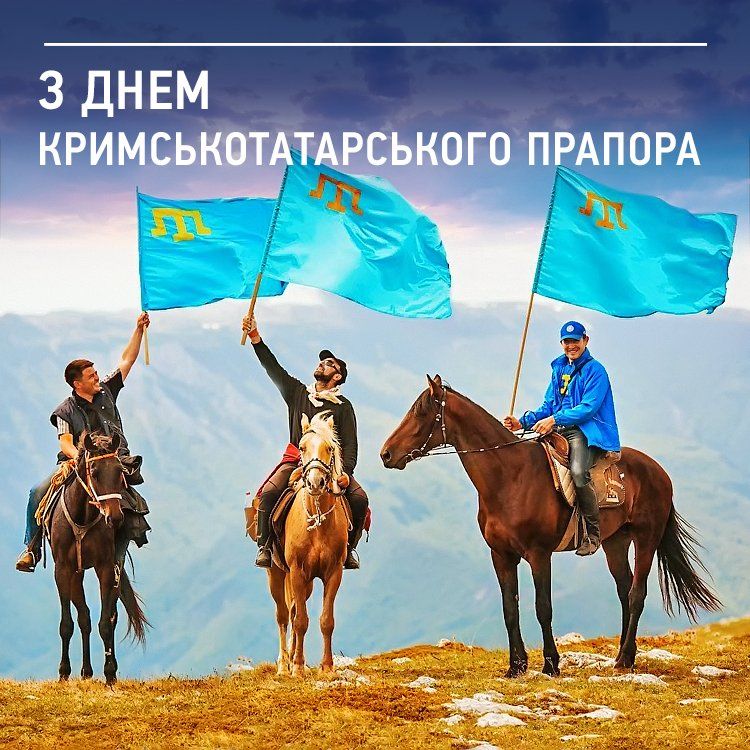
The Crimean Tatar flag is officially recognized as a national symbol of Ukraine’s indigenous people. The blue flag is regularly raised alongside Ukraine’s national flag during official events dedicated to Crimea. Since the start of Russia’s full-scale war against Ukraine, this flag has become even more prominent at international rallies in support of Ukraine around the world.
A Symbol That Has Withstood the Test of Time
The history of the Crimean Tatar flag is inextricably linked to the history of the people themselves. It has endured revolutions, bans, deportation, and decades of struggle for the right to return home.
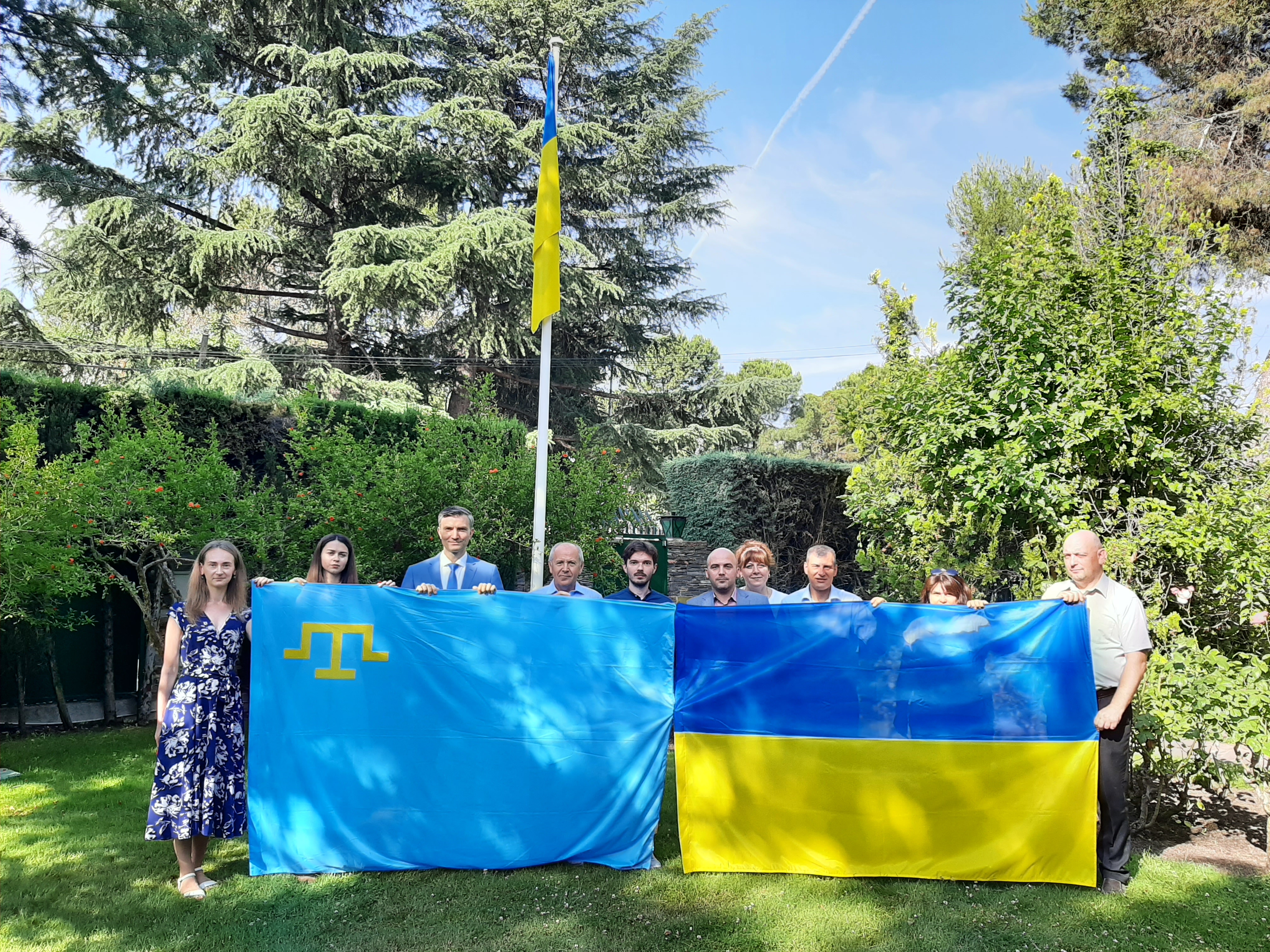
Today, the blue flag with the golden tamga remains a symbol of remembrance, freedom, and hope. For the Crimean Tatars, it serves as a reminder of the past, unites current generations, and symbolizes faith in the future. As representatives of the Crimean Tatar people often say: “As long as our flag flies, our people live on.”


