
Holiday on June 26: Romania celebrates National Flag Day
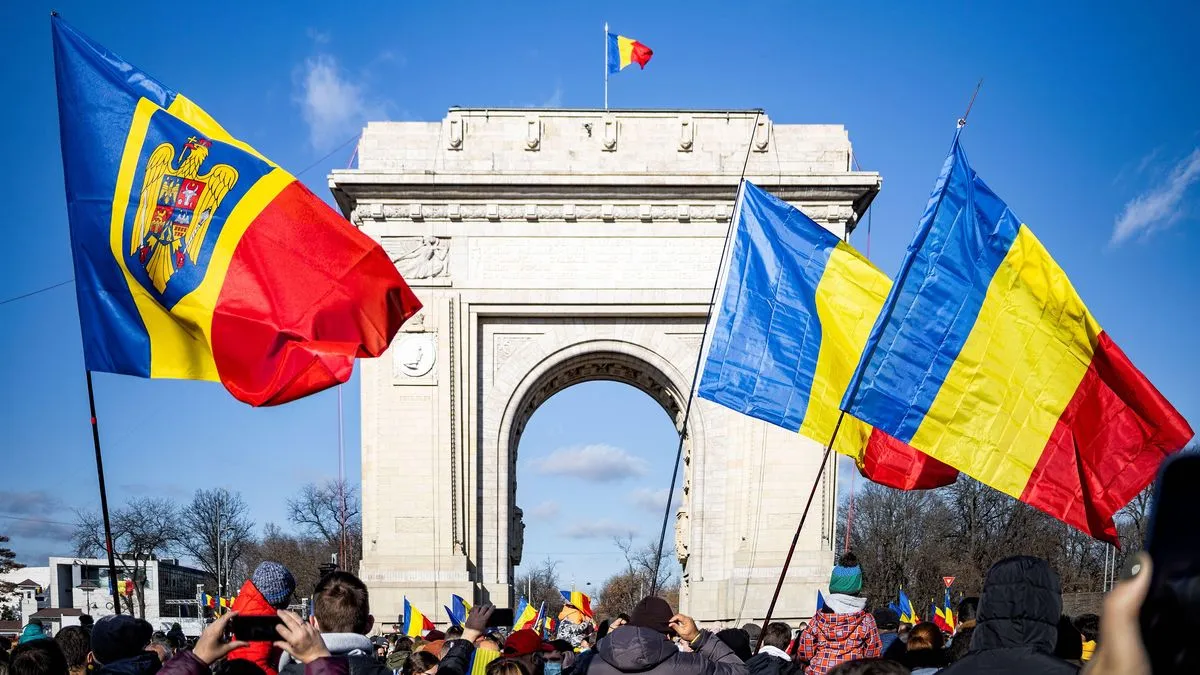
Every year on June 26, Romania celebrates National Flag Day. This holiday is dedicated to one of the country’s main national symbols—the blue, yellow, and red tricolor, which has been a part of Romanian life for over a century and a half. On this day, solemn ceremonies, flag-raising ceremonies, military events, and patriotic activities take place throughout the country.
For most countries, the flag is more than just a piece of fabric with colors. It is a symbol of history, independence, struggle, and national unity. That is why Romania has a separate national holiday dedicated to the flag.

Every year on June 26, Romanians honor their national flag. In cities and villages across the country, thousands of flags fly over government buildings, homes, schools, and public squares. For many citizens, this day serves as a reminder of the path the country has taken—from revolutions and wars to becoming a modern European state. The holiday was officially established in the late 1990s, but the history of the Romanian flag began much earlier.
Why is Flag Day celebrated on June 26?
The date was not chosen at random. On June 26, 1848, during the revolutionary events, the Provisional Government of Wallachia officially adopted the blue-yellow-red tricolor as the national flag. This day is considered the birth of the modern Romanian flag.
More than 175 years have passed, but the three colors remain an enduring symbol of the country. In honor of this historic event, the Romanian government decided to establish a separate national holiday. Today, June 26, is included in Romania’s official calendar of commemorative dates and is marked each year with solemn ceremonies throughout the country.
What Do the Colors of the Romanian Flag Mean?
The Romanian flag consists of three vertical stripes—blue, yellow, and red. There are several interpretations of the meaning of these colors. The most common version holds that blue symbolizes freedom and the sky, yellow symbolizes justice, prosperity, and the country’s fertile lands, and red symbolizes courage, strength, and the blood of those who fought for independence.
For many Romanians, the tricolor is a symbol of the unity of the country’s historical regions. That is why the flag holds a special place in the country’s public life. Interestingly, Romania’s modern flag is very similar to that of neighboring Moldova. The main difference is that the Moldovan flag features the national coat of arms.
How the Romanian Tricolor Came to Be
The flag’s history is closely tied to the revolutionary events of the 19th century. In the mid-1800s, movements for national revival and independence were actively developing in what is now Romania. It was then that the tricolor became a symbol of change and the struggle for the country’s future.
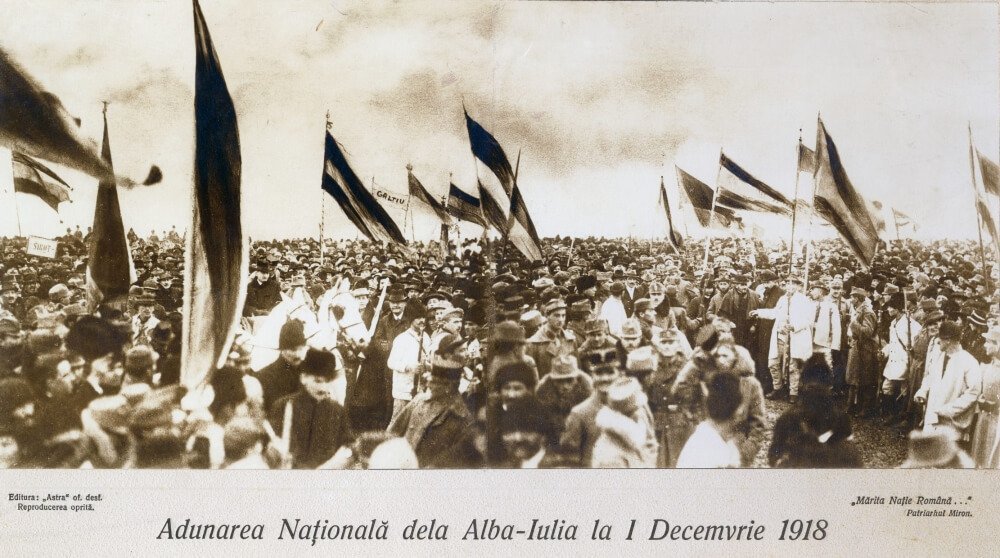
Initially, the colors could be arranged in different ways—horizontally or vertically. Eventually, the modern version with vertical stripes became established. After the creation of the modern Romanian state, the flag became one of the country’s main symbols. It has endured the monarchy, world wars, the communist regime, and democratic transitions. During the communist era, the state coat of arms of socialist Romania was placed in the center of the flag. After the 1989 revolution, the coat of arms was removed, and the tricolor returned to its historical appearance.
How Flag Day Is Celebrated
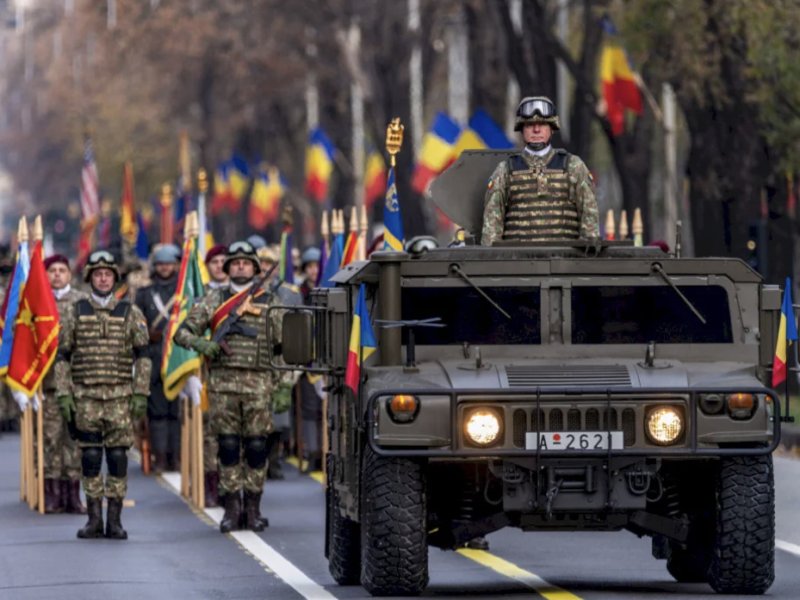
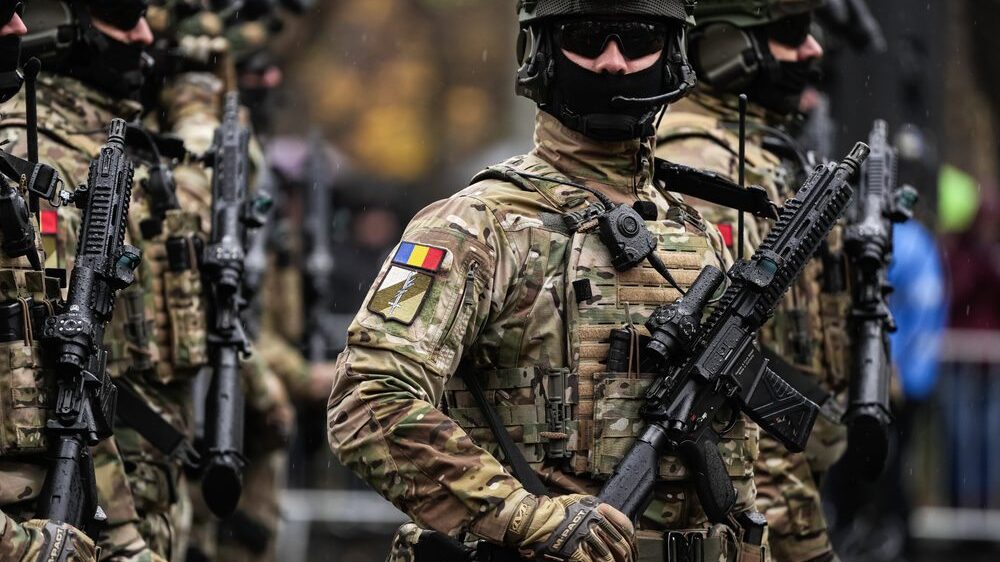
Celebrations begin early in the morning. In Bucharest and other major cities, solemn flag-raising ceremonies are held with the participation of the military, government officials, and the public. The national anthem is often played, and the military salutes the national symbol.
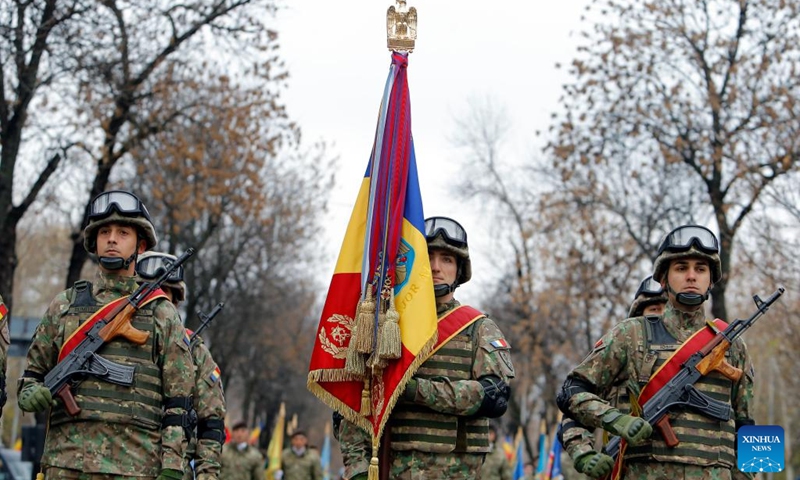
Concerts, exhibitions, and patriotic events are organized in central squares. Schools hold open history classes where children learn about the significance of the flag and national symbols. In many cities, residents decorate their homes in the national colors. For Romanians, this is a way to express respect for their country and its history. In the evening, festive concerts are often held featuring local performing arts groups and military bands.
Interesting Facts About the Romanian Flag
The Romanian flag is one of the most famous tricolor flags in Europe. Its current design is officially enshrined in the country’s Constitution. All three stripes are of equal width, and the colors have shades clearly defined by national standards.

After the 1989 revolution, photographs of people holding flags from which the communist coat of arms had been cut out spread around the world. These flags became a symbol of the fall of Nicolae Ceaușescu’s regime. Another interesting fact is that the colors of the Romanian flag are used in many state awards, military symbols, and official government events. For many citizens, the tricolor remains one of the country’s most recognizable symbols, on par with the coat of arms and the national anthem.
Why This Holiday Remains Important
In today’s world, national symbols often take on special significance during crises, challenges, or major historical events. For Romania, the flag serves as a reminder of the struggle for independence, statehood, and the right to determine its own future. That is why National Flag Day is not only a solemn occasion but also an opportunity to reflect on the country’s history.
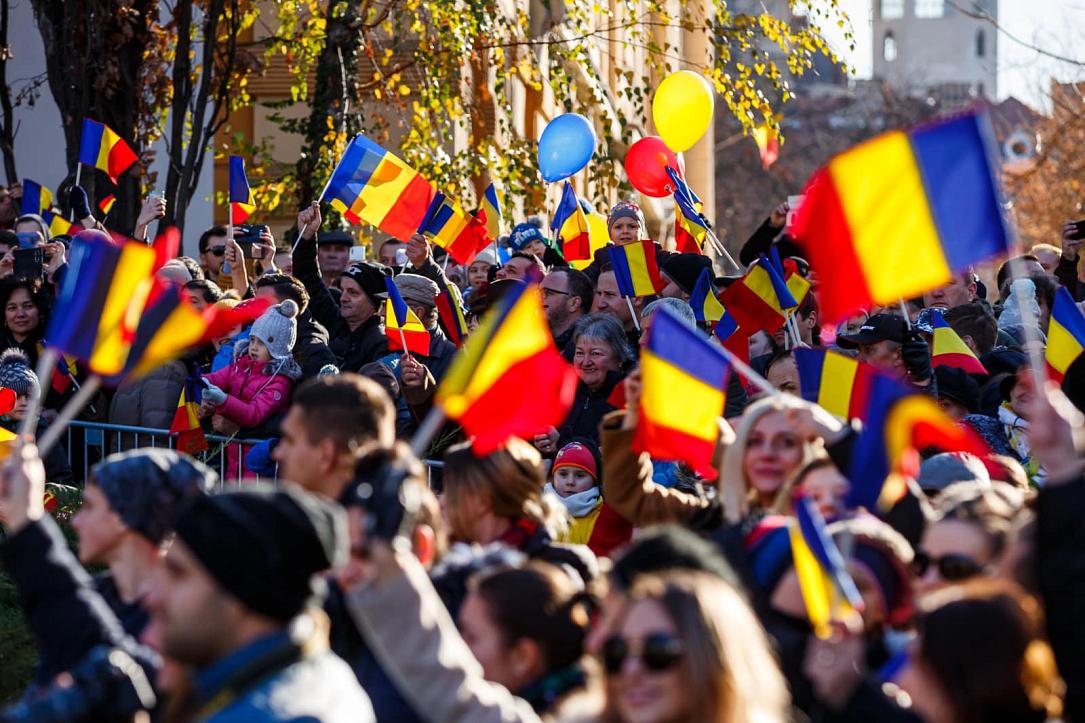
On June 26, Romanians once again raise the blue, yellow, and red flag, demonstrating respect for the past and faith in the future of their nation. As they often say in Romania: “The flag doesn’t just represent the country. It tells its story.”


