
Holiday on July 27: Stilt-Walking Day—How an Ancient Tradition Became an Art Form

On July 27, the world celebrates Walk on Stilts Day—an unusual holiday dedicated to the art of walking on special tall stilts. On this day, people reflect on the history of stilts, try their hand at this challenging activity, and learn about the traditions of different cultures.
Walking on stilts has long since ceased to be merely a circus trick. Over the centuries, people have used stilts for work, to navigate difficult terrain, to hold celebrations, and even to compete.
Stilt walking has a very long history spanning thousands of years. The exact origin of this practice is difficult to determine, but the earliest references to the use of such devices date back to Ancient Greece around the 6th century BCE.In ancient times, stilts were used for more than just entertainment. People used them as a practical means of transportation, especially in areas with swamps, tall grass, or rugged terrain. Thanks to the height above the ground, it was easier to navigate flooded areas and move through places where walking on foot was difficult.
One of the most famous regions associated with the tradition of walking on stilts is the Landes region of France. In the 19th century, the terrain there was predominantly marshy, so residents used stilts in their daily lives.

Shepherds in the Landes could spend many hours on stilts, watching over their flocks and covering long distances. According to legend, people became so accustomed to this mode of transportation that they could perform almost all their daily tasks on stilts—visiting friends, working in the fields, or traveling between villages. Over time, the practical need gradually disappeared, but the tradition remained. Walking on stilts became a cultural phenomenon that began to be featured at festivals, fairs, and folk celebrations.
Why We Celebrate Stilt-Walking Day
Stilt Walking Day was established to draw attention to this unusual art form and to highlight its historical significance. The holiday demonstrates that even a skill that seems simple at first glance can have a rich cultural heritage. The main idea behind this day is to try something new, test your coordination, and experience just how difficult it is to maintain balance at a height.
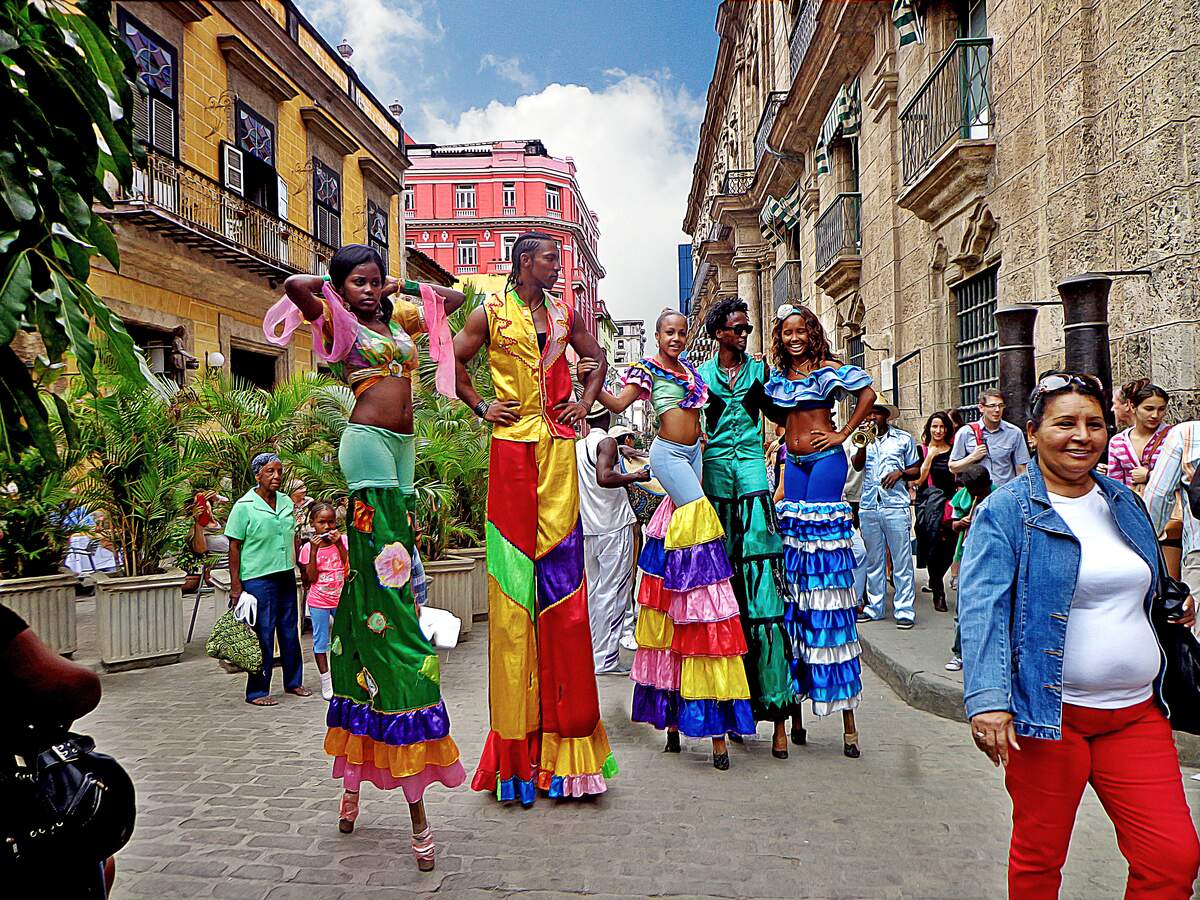
Walking on stilts requires not only physical strength but also concentration. You need to learn how to shift your body weight correctly, control your movements, and stay calm. For many people, this holiday has become an opportunity to return to old traditions and see stilts not just as entertainment, but as a part of the history of various peoples.
Stilts in Different Cultures Around the World
In different countries, stilts served different purposes. In some places, they helped people work, while in others they became part of festive rituals and performances. In the Belgian city of Namur, stilts hold special cultural significance. There is a long-standing tradition of stilts fighting there, dating back to the 15th century. Participants competed against one another, trying to knock their opponent off their stilts.
According to historical records, in 1411, the Count of Namur banned the use of stilts for such battles due to their danger. However, the tradition itself did not disappear and has been preserved in the form of cultural performances. In Spain, particularly in the town of Angiano, walking on stilts has become part of local festivals. There, participants in traditional festivals parade through the streets on tall wooden stilts, performing special movements and dances.
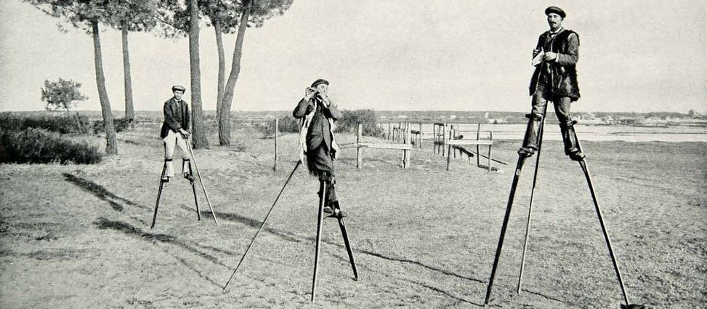
In the Netherlands, there are also festivals where stilt walkers showcase their skills to spectators. Such performances are often combined with music, costumes, and theatrical elements.
How Stilt Walking Day Is Celebrated
On this day, various countries host performances by artists, street festivals, and entertainment events. Professional stilt walkers perform complex stunts, dance, take part in parades, and interact with the audience. Many people celebrate Stilt Walking Day in a simpler way—by trying to stand on stilts themselves and learning to take their first steps. Beginners usually use shorter stilts to safely master the technique.

In the circus arts, stilts remain a popular element of performances. Artists use them to create striking characters, perform acrobatic acts, and attract attention during festivals. Master classes may also be held on this day, where professional stilt walkers teach participants how to maintain balance and control their movements.
Interesting Facts About Stilts
Stilts come in various types—wooden, metal, and even special sports models. Their height can range from a few dozen centimeters to several meters. In some professions, stilts are still used for practical purposes rather than entertainment. For example, agricultural workers may use special aluminum stilts for pruning trees and harvesting crops.

In California, fruit farmers use tall stilts when working with peach, plum, and apricot trees. This allows them to reach the upper branches more quickly without using additional equipment. Stilts are also used by builders and craftsmen when repairing high ceilings, erecting structures, or painting large spaces. One of the most important skills in walking on stilts is balance. Even experienced performers need to practice constantly, as the height significantly alters the sensation of movement.
Stilt Walking in the Modern World
Today, stilts have become part of street art and festival culture. Performers in colorful costumes often appear at city festivals, concerts, and large events. Stilt walkers help create a festive atmosphere, as someone standing several meters above everyone else immediately draws attention. That’s why they’re often invited to parades, children’s parties, and cultural festivals.
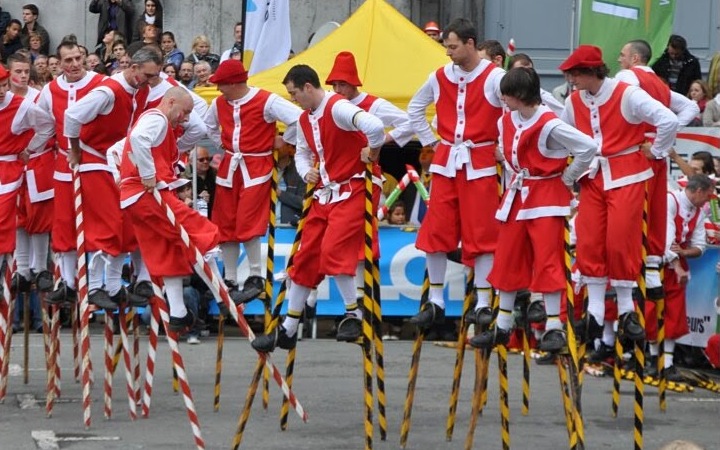
Modern performers don’t limit themselves to simply walking. They perform dances, juggle, interact with the audience, and put on full-fledged theatrical performances. “Stilts make you see the world from a different height”—that’s how enthusiasts often describe this art form.
When Do We Celebrate Stilt-Walking Day?
Stilt Walking Day is celebrated annually on July 27. In 2026, this holiday falls on a Monday. It’s a great opportunity to learn more about this ancient tradition, watch performances by professional stilt walkers, or even try your hand at this unusual activity.
Stilts remind us that many things that seem like mere entertainment today were once an important part of people’s lives. And a simple step above the ground can become a true art form that unites history, culture, and the human desire to rise a little higher.


