
Saudi Arabia is building the world's first skyscraper over a kilometer tall
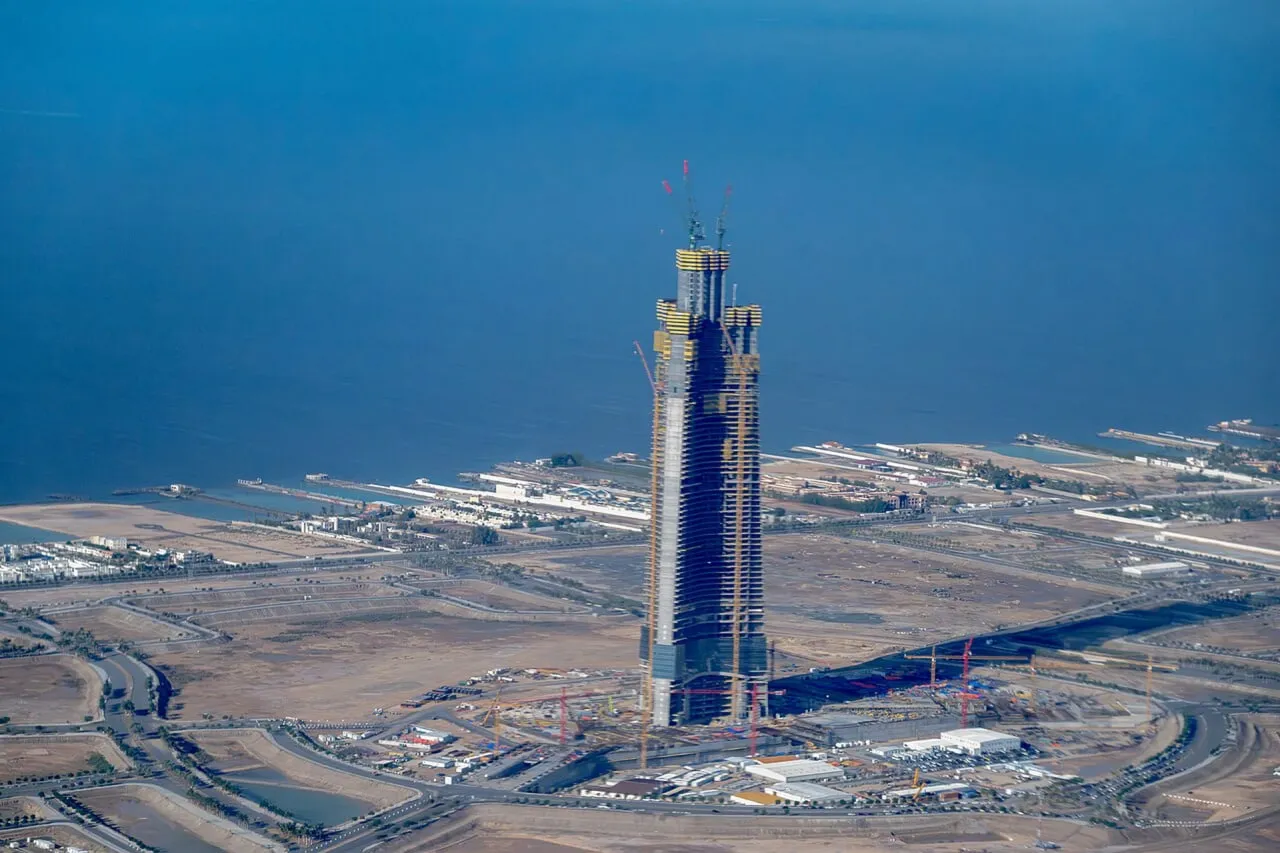
Construction is underway in the Saudi city of Jeddah on the Jeddah Tower, which, upon completion, is set to become the world’s first skyscraper taller than one kilometer. Currently, the structure has reached a height of 426 meters, and builders have completed 106 of the planned 160 floors.
Construction of the tower began in 2013, but the project was suspended several times, raising doubts about its completion. Work resumed in full in 2025, after which the pace of construction increased significantly. Construction of the skyscraper is scheduled to be completed in 2028.
Once operational, Jeddah Tower will become the tallest building in the world, surpassing the current record holder—the 828-meter-tall Burj Khalifa in Dubai.
The project also includes the creation of the world’s highest observation deck, which will be located at an altitude of over 640 meters. It will offer a panoramic view of the Red Sea.
The building’s total usable floor area will be approximately 530,000 square meters. Inside, there will be 59 elevators, and the tower itself will be equipped with state-of-the-art air conditioning systems and an energy-efficient facade adapted to the region’s hot climate.
One of the project’s designers is American architect Adrian Smith, who also contributed to the design of the Burj Khalifa.
The Jeddah Tower is one of the flagship projects of the Saudi Vision 2030 national program, aimed at diversifying Saudi Arabia’s economy, developing tourism, and reducing the country’s dependence on oil revenues. The skyscraper is expected to become a new architectural landmark and tourist attraction for the city of Jeddah.
This was reported by Geek Week.
As a reminder, construction of Europe’s tallest statue of the Virgin Mary is nearing completion in Poland.
In Rotterdam, the winning design for the headquarters of the social enterprise Shift was unveiled; it is set to become a new architectural symbol of the city and a call to action in the fight against climate change.




