
September 3 Holiday: Skyscraper Day — History and Fun Facts
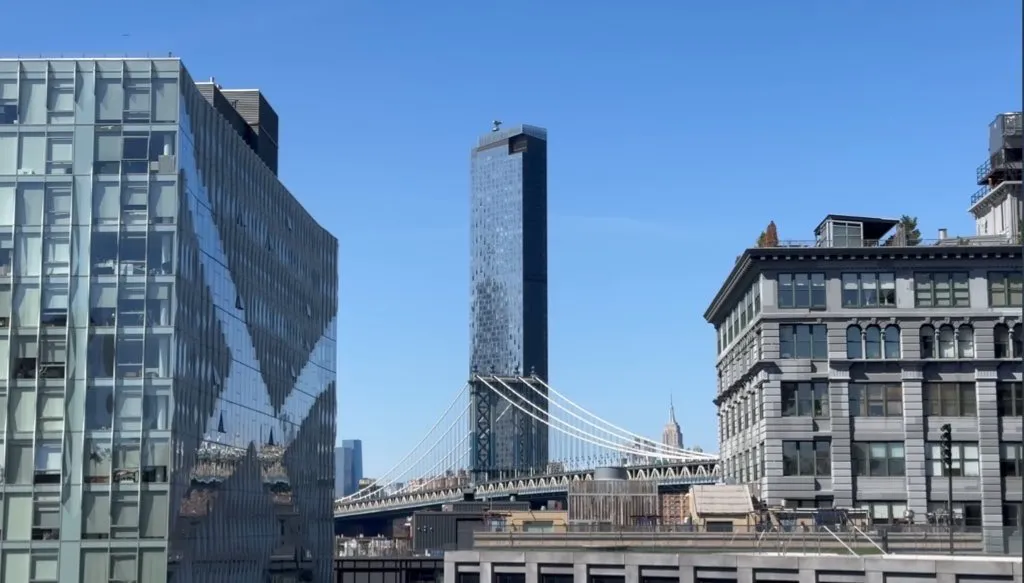
September 3 marks Skyscraper Day—an unofficial holiday dedicated to tall buildings, architecture, and engineering. On this day, people are encouraged to view city skyscrapers not simply as part of the landscape, but as complex structures that have transformed the appearance of modern cities. The date is linked to the birthday of American architect Louis Sullivan, one of the leading architects behind the first skyscrapers.
Skyscraper Day is celebrated annually on September 3. In 2026, it falls on a Thursday. It is not a public holiday or an official commemorative date, so there is no additional day off on this day. In fact, it is a themed day for anyone interested in architecture, cities, construction, and the history of tall buildings. The exact originator of Skyscraper Day has not been identified. There is no reliable information about a specific person or organization that initiated this holiday, nor is there an exact date for when it was first celebrated. Some calendars refer to it as “National Skyscraper Day,” but the day has no official status.

At the same time, the date itself has a clear connection to Louis Sullivan. He was born on September 3, 1856, in Boston. The architect is often called the “father of the modern skyscraper,” as he helped shape a new approach to designing tall buildings in the late 19th century.
Why September 3?
Louis Sullivan worked in Chicago at a time when American cities were growing rapidly. New technologies made it possible to build much taller than before, but architects were still searching for the answer to the question of what such a building should look like. Among the key inventions that made skyscrapers possible were the safe elevator and the steel-frame building. Without an elevator, people would have had to climb dozens of flights of stairs. And the steel frame made it possible to do away with heavy load-bearing walls and build structures ever higher.
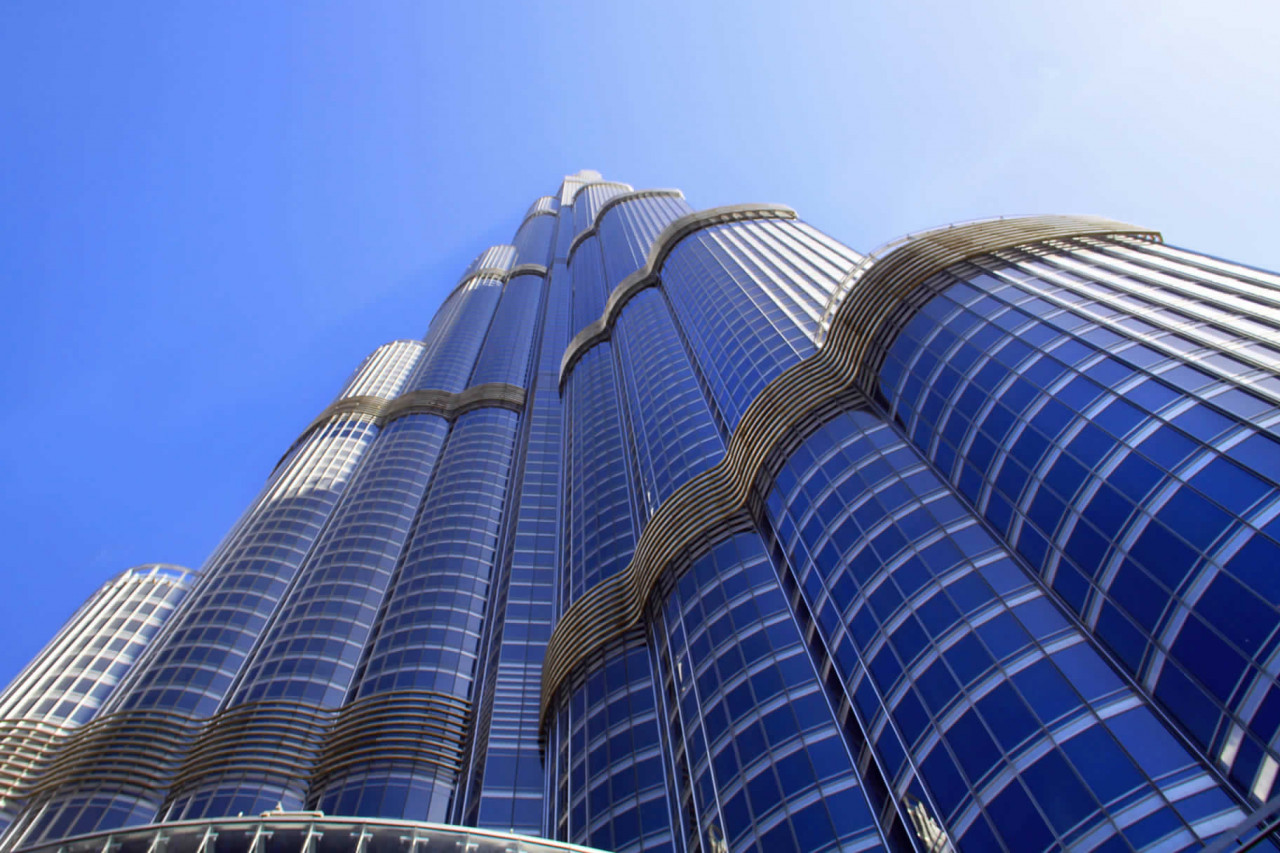
Sullivan sought to create his own architectural language for such buildings. He is credited with the famous principle “form follows function,” which became one of the key tenets of modern architecture. He believed that a building’s exterior should reflect its purpose, rather than simply imitate older architectural styles. That is why September 3 has become a date associated with honoring skyscrapers and the people who created modern vertical architecture.
Where Did the First Skyscrapers Appear?
The history of modern skyscrapers is closely tied to the United States. In the late 19th century, Chicago and New York became the main testing grounds for such experiments. The cities were developing rapidly, land in central areas was becoming more expensive, and businesses needed more office space. One of the buildings most often cited as the first modern skyscraper is the Home Insurance Building in Chicago. It was completed in 1885 and stood only about 10 stories tall. By today’s standards, that’s not particularly impressive, but for its time, the building was a true breakthrough.

Interestingly, today a ten-story building would hardly be called a skyscraper. Contemporary sources often use 40 stories as a benchmark, although there is no single universal definition of a skyscraper based on the number of stories. Gradually, technology improved, and buildings grew taller. A real race to the sky began in New York and Chicago. In 1930, the Chrysler Building, standing about 319 meters tall, was completed, and the following year, the Empire State Building, rising to approximately 443 meters, opened.
How Skyscrapers Changed Cities
The emergence of tall buildings transformed not only architecture but also the very fabric of city life. Instead of constantly expanding outward, cities gained the ability to grow upward. A single building could accommodate hundreds or even thousands of people. Offices, stores, restaurants, hotels, and residential spaces sprang up there. This allowed for more efficient use of land in densely populated areas.
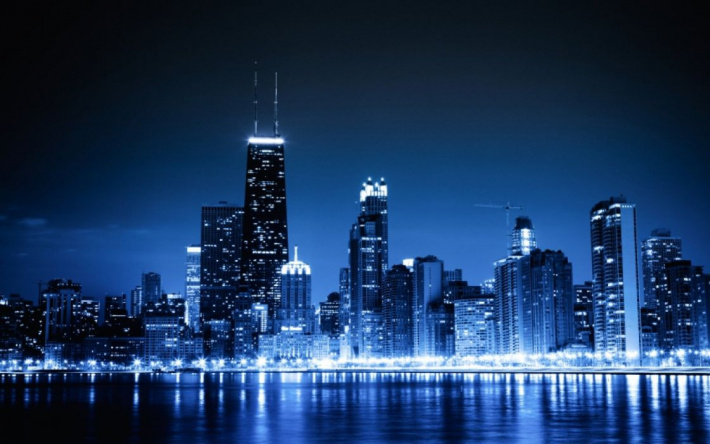
Skyscrapers also gradually became symbols of cities. It’s hard to imagine New York without its famous skyline, just as it’s hard to imagine Dubai without the Burj Khalifa or Kuala Lumpur without the Petronas Towers. High-rise buildings began to compete not only in terms of practicality but also in terms of appearance. Architects used glass, steel, concrete, unusual shapes, and lighting. As a result, the skyscraper evolved from a simple tall building into an important part of a city’s image.
Interesting Facts About Skyscrapers
One of the most well-known facts concerns the name. The English word “skyscraper” was originally used to describe anything that was extremely tall and stood out noticeably above the surrounding buildings. The term itself came into widespread use in the United States in the late 19th century, when Chicago and New York were experiencing a real construction boom.
Today, the Burj Khalifa in Dubai remains the world’s tallest building. It stands 828 meters tall. Construction was completed in early 2010, and it still holds the top spot among the world’s tallest buildings.
Second place goes to Merdeka 118 in Kuala Lumpur. It stands at approximately 679 meters. The building has become one of the new symbols of Malaysia’s capital. There are also some interesting peculiarities related to the floor numbers. For example, in some high-rise buildings in Hong Kong, the number 13 and floors with the number 4 may be skipped. The reason lies in superstitions and cultural traditions: in some Western cultures, the number 13 is considered unlucky, while in Chinese tradition, the number 4 is associated with death.
Another interesting point is how a building’s height is determined. Experts may measure height to the architectural pinnacle, to the highest floor accessible to people, or to the highest point of the structure. Therefore, the results may vary depending on which criterion is used.
How Skyscraper Day Is Celebrated
Since this is an unofficial holiday, there are no mandatory traditions associated with it. People can decide for themselves how to spend the day. One of the simplest options is to go up to a skyscraper’s observation deck and view the city from above. If there’s a tall building in your city with a top section open to visitors, you can take a short trip there on September 3.
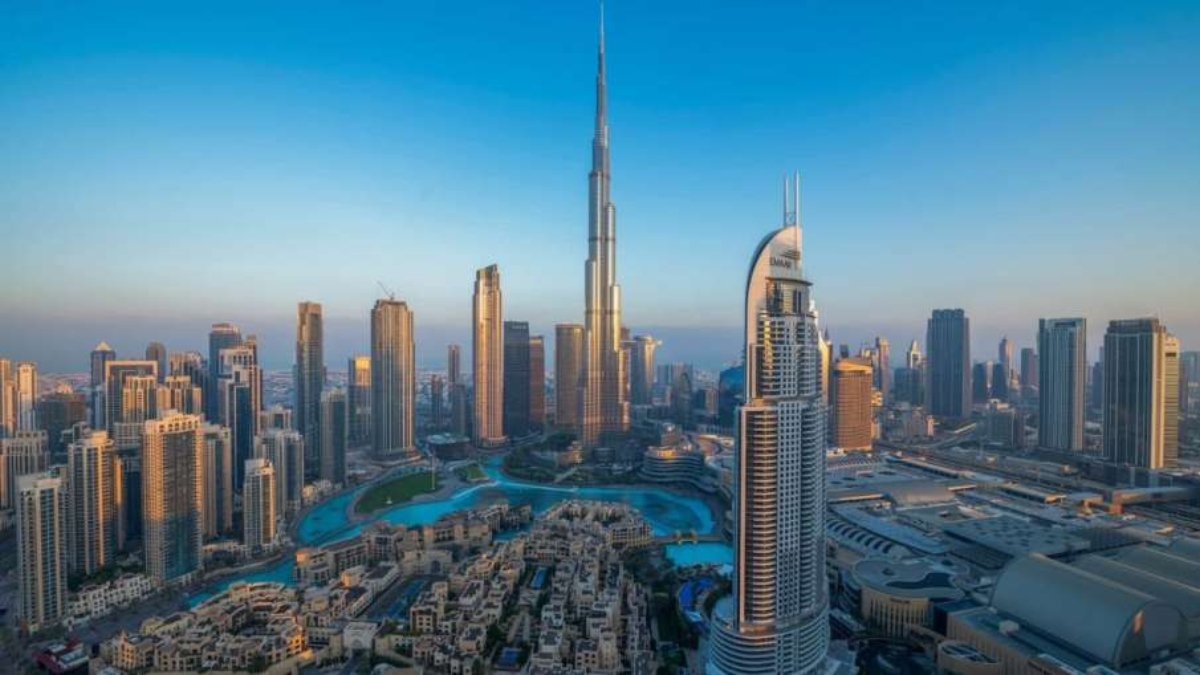
Another popular option is to take photos of skyscrapers. You can create your own photo tour of the city, look for unusual angles, photograph buildings from below, or compare how they look by day and by night. Architecture enthusiasts are advised to take a guided tour. In major cities, walking tours are held that focus on the history of buildings, their architects, and construction techniques. This is a great way to learn why a particular structure looks the way it does and how it has transformed the urban landscape.
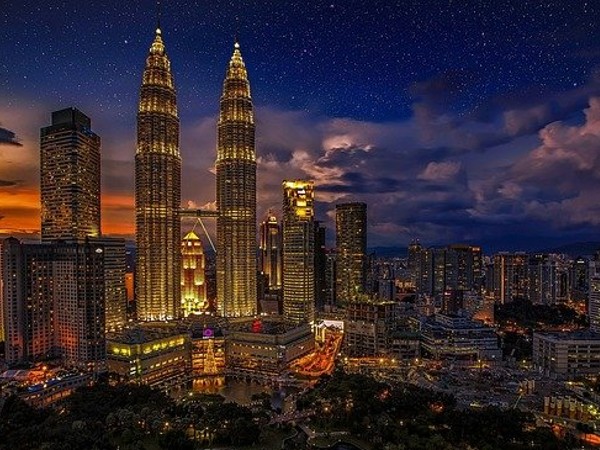
You can also celebrate Skyscraper Day at home. For example, you can watch a documentary about architecture, read about the world’s tallest buildings, or even build your own “skyscraper” with a construction set. On social media, people share photos of their favorite high-rise buildings and talk about them on this day. For architects, photographers, and simply lovers of cityscapes, this is yet another reason to pay attention to the things they pass by every day.
Why This Holiday Is Interesting
Today, a skyscraper is no longer just a very tall building. It is the result of the work of architects, engineers, builders, and many other specialists. Behind the beautiful facade lie complex systems for ventilation, water supply, electricity, fire safety, and elevators. Tall buildings must withstand strong winds, temperature fluctuations, and the significant weight of their own structures. That is why every new height record becomes not only an architectural milestone but also an engineering feat.

Skyscraper Day serves as a reminder of just how much cities have changed over the past century and a half. What once seemed almost impossible has now become a familiar part of the urban landscape. So, on September 3, 2026, you can simply look up. Perhaps that ordinary building you see every day on your way to work or school will seem completely different this time.


