
Pakistan’s Jamaat-e-Islami party threatens nationwide strike — Dawn
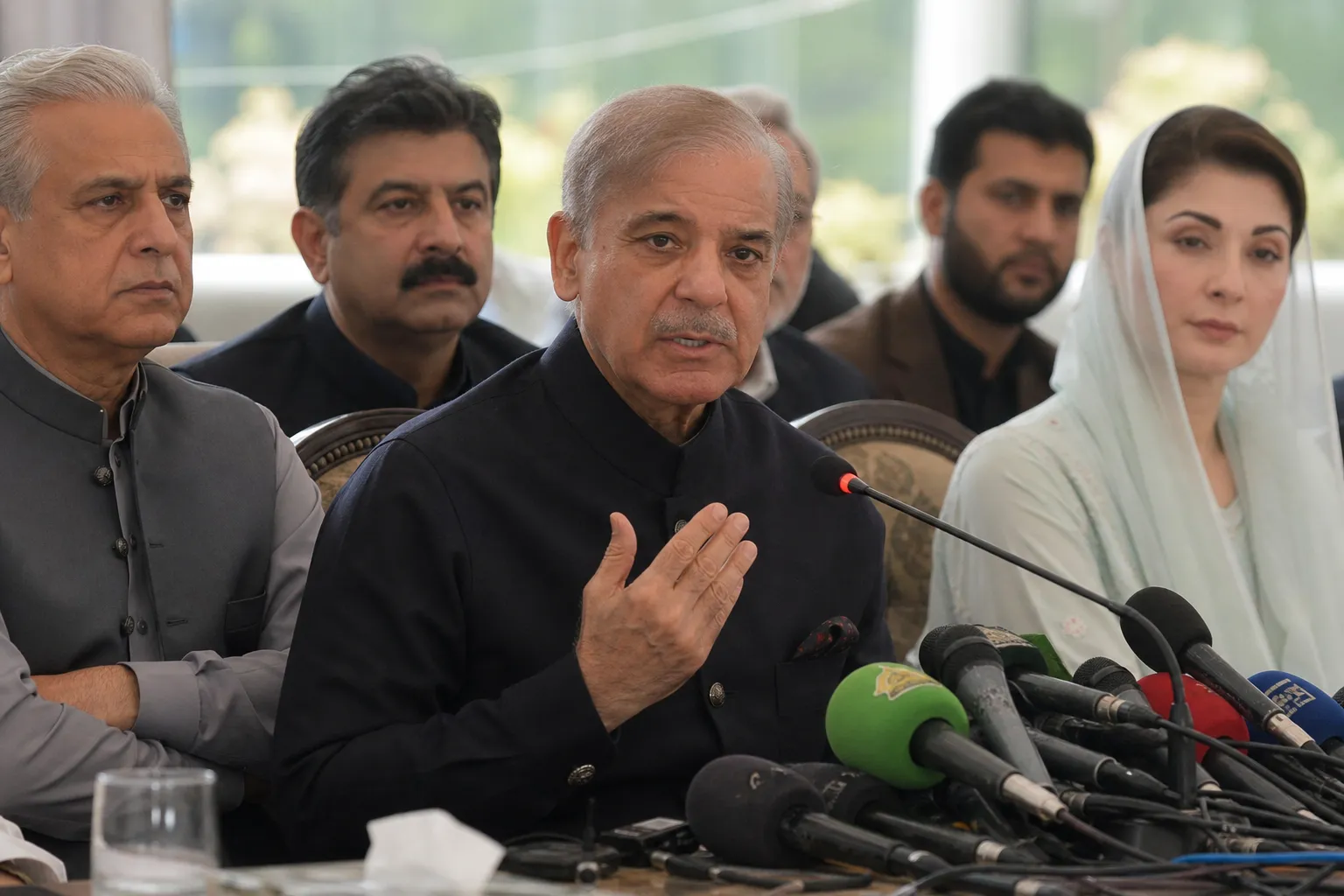
In Islamabad, Hafiz Naeemur Rehman, the leader of Pakistan’s Jamaat-e-Islami party, said that the political force may announce a nationwide strike with traffic blockades if the government delays meeting demands for economic relief for the population. Dawn reports.
Rehman spoke at a press conference alongside the party’s deputy chief, Mian Muhammad Aslam, and the head of its Islamabad chapter, Nasrullah Randhawa. According to him, formal talks with the federal government are to begin on Monday, while sit-in protests across the country will continue.
Committees on the petroleum levy
On the same day, Rehman, Planning Minister Ahsan Iqbal and Prime Minister’s adviser Rana Sanaullah announced that Jamaat-e-Islami and the federal government would form committees. They are to prepare recommendations on reducing the levy on petroleum products and measures for economic relief for the population.
The statement came two days after a nationwide protest action. In Karachi, six party workers were detained on suspicion of setting motorcycles and tyres on fire. Jamaat-e-Islami distanced itself from these people.
More current news is available on the UA.News Telegram channel Telegram.
Statements by the party leader
Rehman said that his party had protested for 21 days and held sit-ins at dozens of locations, including 20 sites in Balochistan and Swat. He claims that public pressure contributed to a reduction in electricity costs of 10–12 rupees per unit, while negotiations with independent power producers made it possible to save the state 4,300 billion rupees and prevent a further increase in petrol prices.
The party leader also said that Pakistan’s total debt had reached 110,000 billion rupees, while annual interest payments amount to 8,000 billion rupees. In his view, cutting the central bank’s policy rate by three percentage points would eliminate the need for the levy on petroleum products.
Jamaat-e-Islami plans to collect 50 million signatures in support of economic reforms, changes to local self-government and reducing the price of bread to 10 rupees.


