
Holiday on June 30: Today, Sudan celebrates Revolution Day
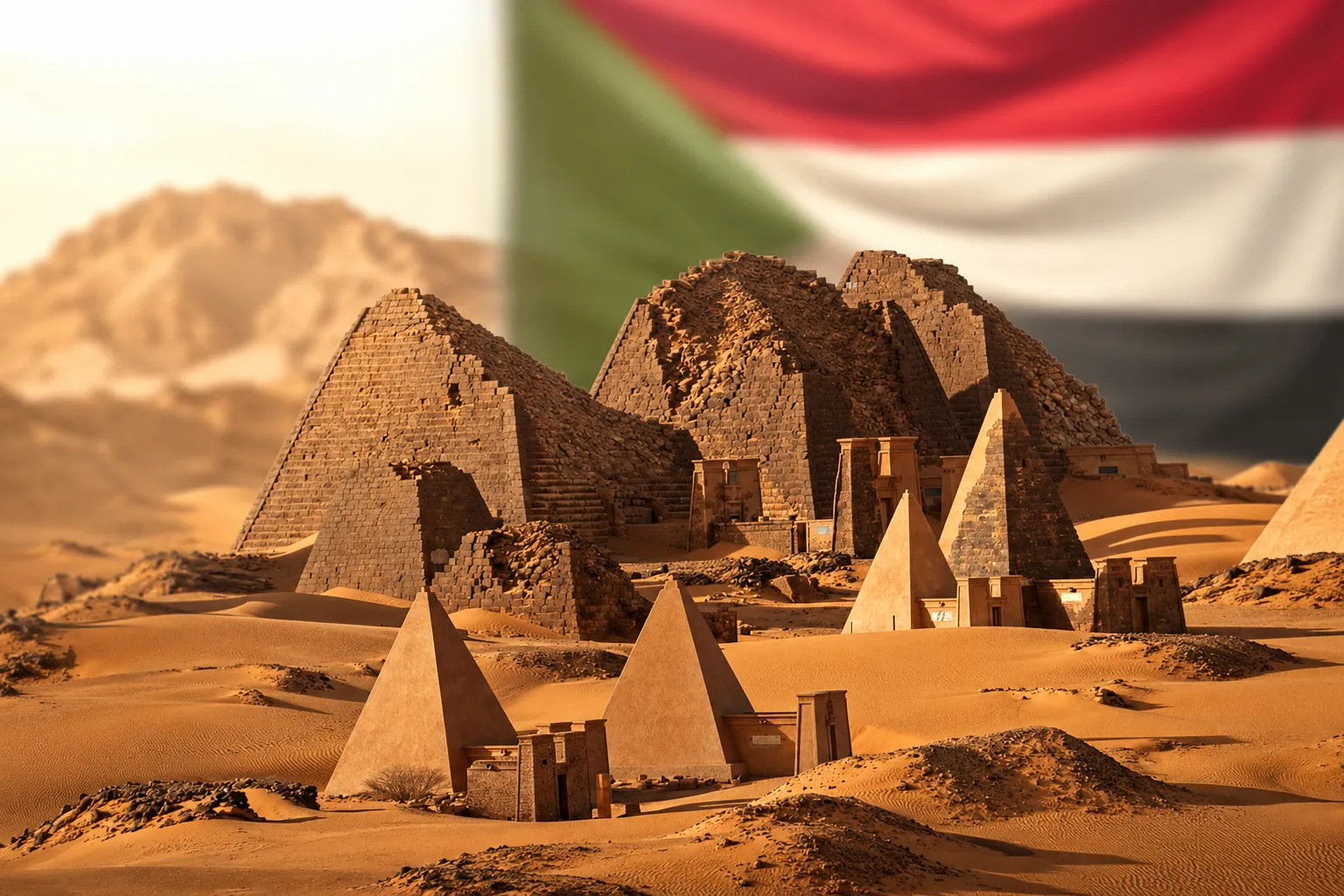
Every year on June 30, Sudan commemorates Revolution Day—a historic date linked to events that significantly influenced the country’s political development. It was on this day in 1989 that a group of military officers led by Omar al-Bashir carried out a coup d’état, which resulted in a change of government in Sudan.
For many years, this date was officially celebrated as Revolution Day. However, following the political changes of recent years, its perception within Sudanese society has changed significantly.
What events took place on June 30, 1989?
On June 30, 1989, the military ousted the democratically elected government. Following the coup, the constitution was suspended, parliament was dissolved, and military rule was established.
The new regime was led by Omar al-Bashir, who remained in power for nearly 30 years. During this period, the country faced major political, economic, and security challenges.
How has the attitude toward this date changed?
Following mass protests in 2019, Omar al-Bashir’s regime was overthrown. Since then, the official attitude toward June 30 has changed.
For many Sudanese, this date is no longer associated with a holiday. On the contrary, it has become an occasion to reexamine the country’s history, discuss democratic reforms, and strive for political change.
At the same time, it was on June 30, 2019, that large-scale peaceful demonstrations took place in Sudan in support of a democratic transition following al-Bashir’s removal, which also gave this date new symbolic significance.

Why does Revolution Day remain an important historical date?
The events of June 30 played a significant role in Sudan’s modern history. They influenced domestic politics, international relations, and the development of state institutions.
Today, this date serves as a reminder of:
- the importance of political stability;
- the value of democratic processes;
- the impact of historical events on the country’s future.
Interesting Facts
Omar al-Bashir remained in power for nearly three decades, becoming one of the longest-serving leaders in Sudan’s history. During this time, the country experienced economic hardships, internal conflicts, and the secession of South Sudan in 2011.
After 2019, Sudan entered a complex transitional period marked by political reforms and a search for stability, although the country continues to face serious challenges.
How is June 30 commemorated today?
In modern Sudan, this date holds primarily historical and political significance. It often serves as a catalyst for public discussions, analytical publications, and reflections on past events.
For many citizens, June 30 serves as a reminder of the need for peaceful development, respect for human rights, and the building of a democratic state.
June 30, known as Revolution Day in Sudan, remains one of the most important dates in the country’s history. While it once symbolized the rise to power of a new regime, today it is increasingly seen as a day for reflecting on historical lessons and striving for a democratic future. That is why this date holds special significance for Sudanese society and remains an important chapter in the country’s history.


