
Holiday on September 30, 2026 — Boys' Day in Poland
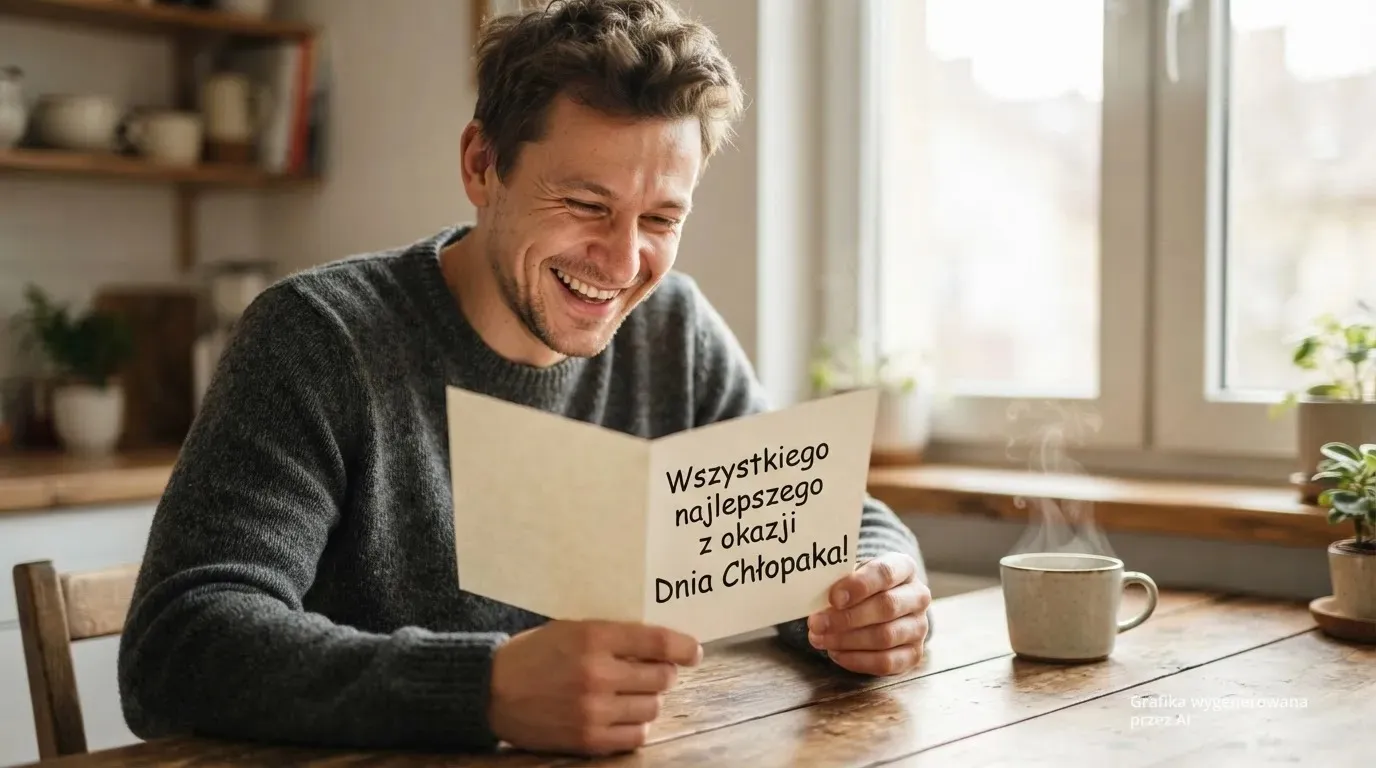
September 30 is Boys' Day—Dzień Chłopaka—in Poland. It is a popular but unofficial holiday that is especially popular in schools, among groups of friends, and among young people: girls congratulate the boys, give them small gifts, and organize games, contests, and group activities. In 2026, Boys’ Day falls on Wednesday, September 30, and this date is not a public holiday in Poland.
Despite the holiday’s popularity, its exact origin remains unknown. It is known that this tradition became particularly widespread in Poland in the 1990s and gradually became an almost integral part of school life.
Boys’ Day in Poland is celebrated annually on September 30. The date remains fixed, so it’s quite easy to remember. In 2026, the holiday falls on a Wednesday. It is a regular work and school day, since Dzień Chłopaka does not have the status of a public holiday. In calendars, it is marked as an unofficial traditional date that is especially popular among children, teenagers, and young adults.
Schools pay the most attention to this day. There, the holiday often serves as an excuse to take a brief break from lessons, organize a group activity, and simply spend time together. Girls may prepare small surprises, cards, or sweets for their classmates. Often, gifts are given to all the boys in the class so that no one is left out.
The Origins of Dzień Chłopaka
Unlike some official commemorative dates, Boys’ Day in Poland does not have a single well-known founder or a document establishing the holiday. Its origins remain unclear. Polish sources note that the tradition does not have a clearly documented starting date. It is most often said to have developed as a youth and school tradition. Boys’ Day began to spread particularly rapidly in the 1990s. Over time, September 30 became so firmly established in Polish culture that for many, this date has become a familiar part of the fall calendar.
In other words, it is more of a holiday that grew out of an everyday tradition rather than one created by decree or law. That is precisely why there is no single way to celebrate it. Every school, class, or group of friends can celebrate in its own way. In some places, it involves a few chocolates and cards, while in others, it’s a whole day of contests, field trips, and fun activities. It is this informal nature that has made the holiday particularly popular among young people.
How It’s Celebrated in Schools
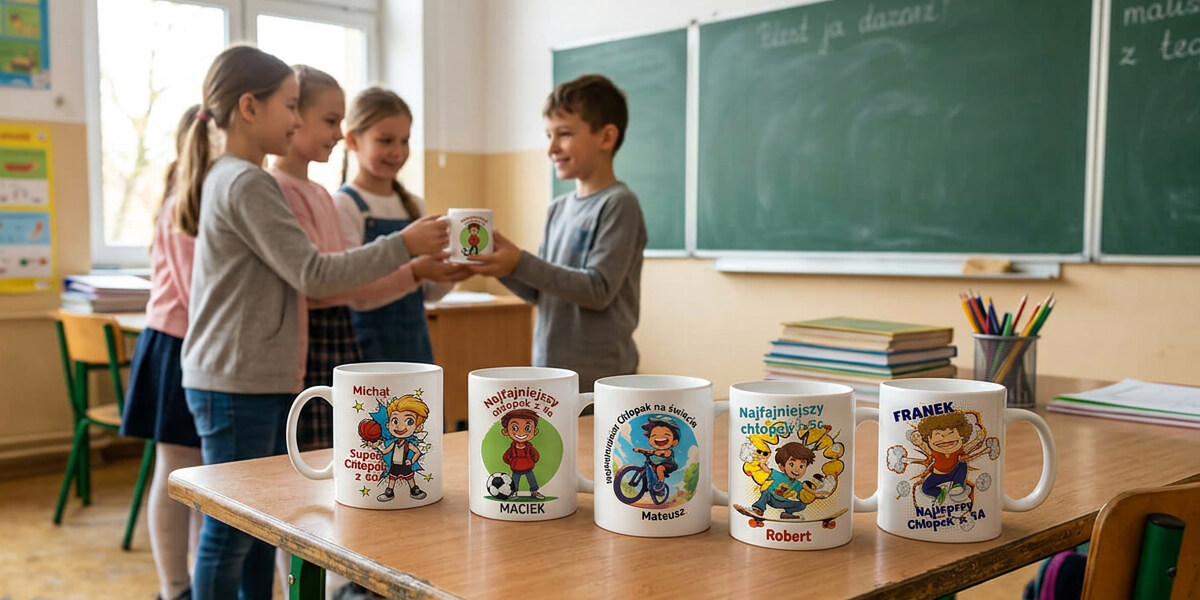
In Polish schools, Boys’ Day is usually celebrated in a relaxed manner, without excessive formality. Girls may prepare symbolic gifts for their male classmates. The most common options are sweets, small gadgets, keychains, mugs, socks, school supplies, or humorous souvenirs. Sometimes the class pools money to buy one group gift for each boy. These gifts are often accompanied by cards or short messages.

Another popular part of the celebration is games and contests. Teachers or the students themselves can come up with quizzes, brain teasers, sports competitions, or fun challenges. In some classes, they hold symbolic awards such as “funniest,” “friendliest,” or “most creative.” These contests are for entertainment purposes and are not a mandatory part of the celebration. Sometimes, instead of regular classes, the class organizes a group outing to the movies, bowling, a café, or a walk. This format is especially popular in upper grades. The celebration becomes an opportunity to spend time together rather than at their desks. For teenagers, this is often more important than the gift itself.
What to Give on Boys’ Day
Gifts for Boys’ Day are usually small and symbolic. The main idea is not to spend as much money as possible, but to show you care. In schools, people often choose something that can be bought for the whole class at once, so that the gifts are roughly the same.
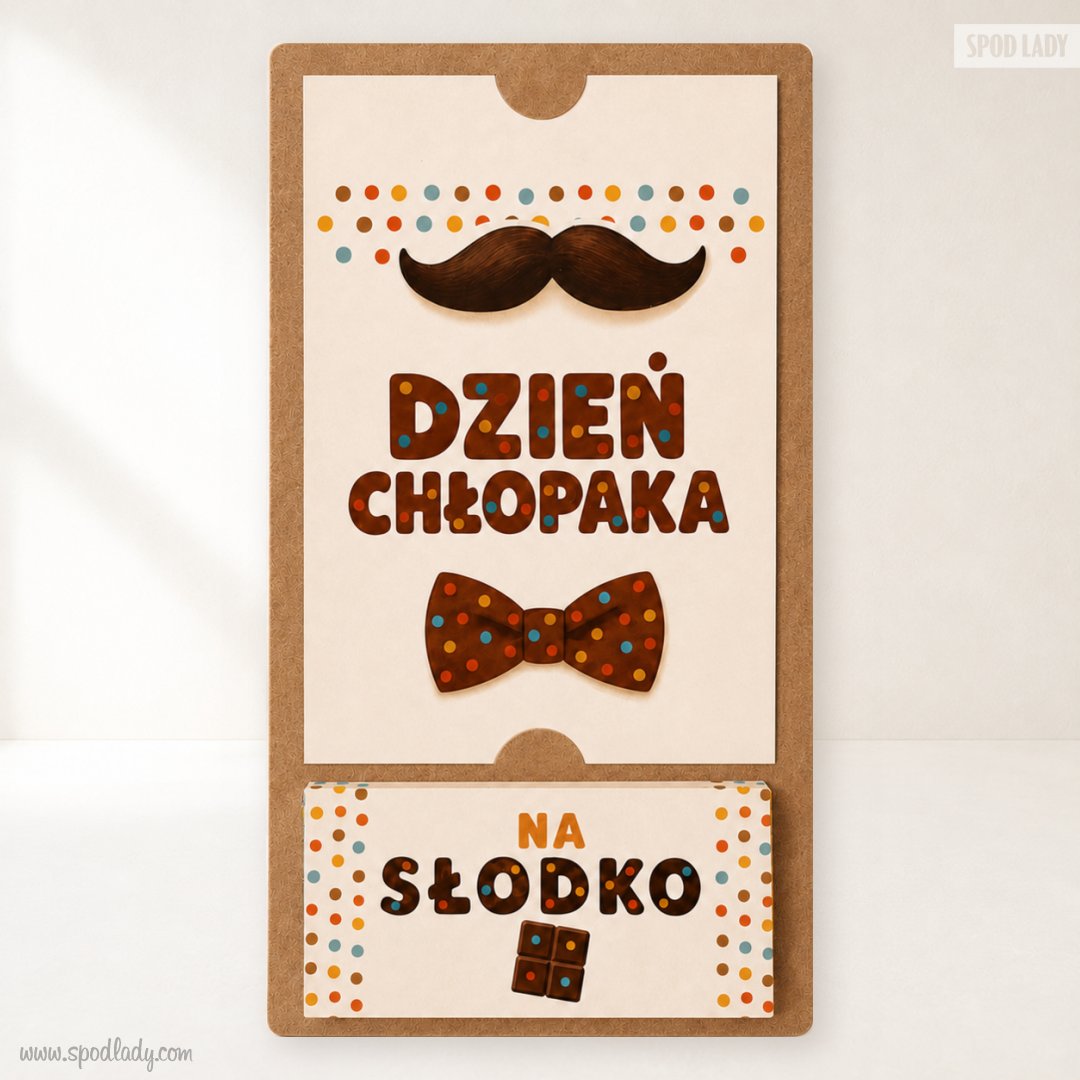
Popular options include chocolate, candy, cookies, snacks, drinks, keychains, pens, notebooks, phone cases, and other small items. If the boys are into sports, you can choose something sports-related. In high school, gifts often become more personal. For example, friends might give each other movie tickets, gift certificates, or small items related to their interests. Humorous gifts are also popular. There’s no need to stick to a strict format for this holiday, so humor often plays an important role in the celebration. The main thing is to make sure the joke isn’t offensive to the person it’s meant for.
Boys’ Day and Men’s Day Are Not the Same Thing
It’s easy to get confused in Poland, as there are several dates related to men’s themes. September 30 is Dzień Chłopaka, while March 10 is celebrated as Men’s Day in Polish tradition. These holidays are similar in theme but differ in nature. Boys’ Day is primarily associated with school, youth, friends, and informal greetings. Men’s Day is more focused on adult men, although in everyday life the distinction between these dates can be somewhat arbitrary.
There is also International Men’s Day, which is celebrated in many countries on November 19. It is often associated with men’s health, positive social roles, and men’s well-being. In Poland, however, September 30 remains the most well-known date, when boys and young men are celebrated with particular enthusiasm.
Is Boys’ Day celebrated in other countries?
Similar holidays exist in other countries, but the dates and traditions can be quite different. For example, in Japan, May 5 is celebrated as Kodomo no Hi—Children’s Day. Historically, it was associated with boys, although today it is a holiday for all children. One of its well-known symbols is the koi carp—colorful fish-shaped flags associated with strength and perseverance.
In Brazil, Children’s Day and its associated traditions have different dates and forms. In some countries, there is no separate equivalent to the Polish Dzień Chłopaka at all. Therefore, the Polish holiday is a distinctly local tradition that has taken the strongest hold among schoolchildren and young people. Interestingly, even in Poland, people do not always clearly distinguish between the concepts of “boy” and “man” on such occasions. In everyday life, on September 30, people may extend greetings not only to schoolchildren but also to college students, friends, partners, and other men. The format depends on age and the nature of the relationship between people.
Interesting Facts About the Polish Holiday
One of the main features of Dzień Chłopaka is its lack of official status. It is not a national holiday nor an additional day off. Nevertheless, the date has become so firmly established in society that it is actively celebrated every year in schools and youth groups.
Another interesting point is the uncertainty surrounding the holiday’s origins. Unlike historically well-documented dates, there is no single, universally accepted story about how Dzień Chłopaka came to be. Research and media sources most often link its spread to school and youth environments. That is why it is incorrect to speak of a specific founder or a single event that started it all.
The holiday also often serves as an opportunity for class bonding. Students don’t just exchange gifts; they also come up with contests together, prepare surprises, and plan activities to enjoy together. Because of this, Boys’ Day is seen by many as a day of good cheer rather than a formal holiday.
Another distinctive feature is the simplicity of the gifts. There’s no need for expensive items or lavish feasts. Even a chocolate bar, a funny card, or a group trip to the movies can be enough to make the day more enjoyable.
How to Celebrate Boys’ Day
In Poland, there’s no single rule for how exactly to celebrate September 30. You can simply congratulate the boys in class or among a group of friends. You can prepare symbolic gifts, organize a game, or go for a walk together. Schools often choose several options at once so that everyone can take part in the celebration. The main feature of this day is its lighthearted and friendly atmosphere. Dzień Chłopaka doesn’t require formal speeches or elaborate ceremonies. Most often, all it takes is a little attention, a good mood, and the desire to spend time together.
For schoolchildren, it’s also a great opportunity to make an ordinary school day a little more interesting. It is precisely because of this simplicity and informality that the holiday has remained popular in Poland for many years. On September 30, 2026, Polish boys will once again receive greetings, gifts, and jokes. And although it is not an official holiday, Dzień Chłopaka has become a prominent part of Polish school and youth culture.




