
Holiday on August 7, 2026 — International Beer Day
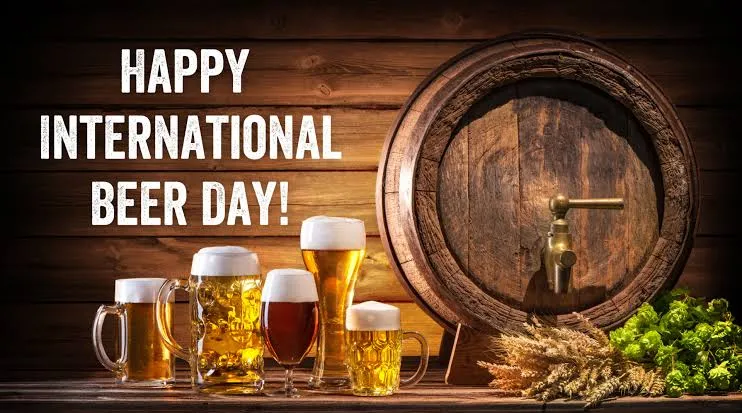
August 7, 2026, marks International Beer Day—an unofficial holiday dedicated to one of humanity’s oldest beverages. It was first celebrated in the United States in 2007, and the tradition has since spread far beyond the borders of that country to the rest of the world. On this day, people get together with friends, try new varieties, visit breweries, and thank those who brew and serve this beverage.
International Beer Day is celebrated annually on the first Friday in August. In 2026, this date falls on August 7. The holiday has unofficial status. In other words, it is not a national holiday nor an official international day established by an international organization. Its popularity has grown gradually thanks to bars, breweries, restaurants, and beer lovers themselves.
The idea behind the holiday is not just to have a glass of beer. The founders wanted to bring people from different countries together around a shared tradition, highlight the culture of brewing, and thank those who work in this field. Therefore, International Beer Day has several simple goals: to meet up with friends, try something new, celebrate the craftsmanship of brewers, and discover the beer traditions of different countries. This is exactly how the event’s organizers describe it.
How International Beer Day Came to Be
The history of this holiday began in 2007 in Santa Cruz, California, USA. The idea came from Jesse Avshalomov, who wanted to create a special day for friends and beer lovers to get together. At first, the concept was much more modest than the name might suggest. It was a local event intended to bring people together in bars and provide an opportunity to socialize.
But the idea proved successful. Gradually, people from other cities and countries began to join in. By 2011, Beer Day was already being celebrated on an international scale. According to the history of the holiday, 138 cities from 23 countries participated that year. The following year, the tradition spread even further. Initially, Beer Day was held on August 5. However, in 2012, the organizers decided to change the date and tie it to the first Friday in August. Since then, the holiday has fallen on that specific day of the week every year.
Why Friday Was Chosen
Friday was not chosen by chance for this holiday. The organizers wanted people to be able to get together after the workweek and spend time together. Moreover, the first Friday in August falls in the middle of summer in the Northern Hemisphere. For many, this is a time for vacations, travel, festivals, and outdoor gatherings. That’s why the format is well-suited for beer festivals, tastings, and evening get-togethers.
However, the date itself is not tied to any specific historical event related to the invention of beer. It is a modern holiday created specifically to promote beer culture. In 2026, the first Friday in August falls on August 7, so International Beer Day will be celebrated on that day.
Beer is much older than the holiday itself
International Beer Day didn’t emerge until the 21st century, but the beverage itself is thousands of years old. It’s impossible to pinpoint exactly when people first brewed beer. Archaeologists have found evidence of fermented beverages in very ancient settlements. One of the oldest confirmed pieces of evidence is linked to the territory of modern-day Iran. Archaeologist Patrick McGovern studied the remains of a beer-like beverage from a settlement in the Zagros Mountains, dated to approximately 3400 BCE.

There are other very ancient finds as well. In Ancient Egypt, archaeologists discovered a brewery dating back about 5,000 years. It was capable of producing a huge amount of the beverage—up to approximately 22,000 liters per batch. In other words, beer was part of human culture long before the advent of modern bars, bottles, cans, and craft breweries.
Beer in the Ancient World
Beer was an important beverage for many ancient civilizations. It was consumed in Egypt, Mesopotamia, and other regions. In Ancient Egypt, beer was part of everyday life. It was consumed by people from all walks of life, and the beverage was also used during religious rituals.

Archaeologists have discovered a large brewery in Egypt that likely operated as far back as the time of Pharaoh Narmer, around the 3rd millennium BCE. It consisted of several production areas with large clay vessels. Beer back then was very different from modern beer. It was brewed from various grains, and other ingredients—such as fruits, herbs, spices, and aromatic plants—were added. Ancient beverages did not necessarily contain hops. The modern taste of beer developed gradually over the centuries.
Ancient brewers used completely different recipes
Today, we’re accustomed to the four main ingredients in many types of beer—water, malt, hops, and yeast. In ancient times, things were much more varied. Brewers could use grains, fruits, honey, herbs, and spices. Researchers have even attempted to recreate ancient recipes based on beverage residues found at archaeological sites. One such experiment involved an Egyptian beverage, the recipe for which was reconstructed using archaeological data.
In ancient civilizations, beer was not just a beverage for entertainment. It could be part of the diet, religious rituals, and social life. In some cultures, it was even used as a form of reward for workers. Researchers have studied evidence of beer rations for workers in Ancient Egypt. Thus, the modern tradition of meeting over a glass of beer has very ancient cultural roots.
When Hops Were First Added to Beer
Today, hops seem inseparable from beer. They give the drink its characteristic bitterness and aroma and help shape the flavor of many modern varieties. But this wasn’t always the case. Ancient recipes used various herbs, spices, and other plants. Hops gradually became an important part of European brewing during the Middle Ages.

It is known that the German nun and scholar Hildegard of Bingen described hops in her writings as early as the 12th century. Over time, the use of hops in European brewing became much more widespread. It was the combination of malt, hops, water, and yeast that gradually transformed beer into the beverage we know today.
For a long time, brewing was a woman’s job
One of the most interesting facts in the history of beer is that for many centuries, it was often women who brewed it. In various cultures, brewing was part of household work. Women brewed the beverage for their families, and later, some began selling it and turning brewing into a source of income.

Historians note that until the 16th century, brewing remained largely women’s work in many European societies. Gradually, the situation changed due to economic, social, and gender-related factors. Interestingly, in medieval European cities, women brewers were able to sell their own beer at markets. Therefore, the common perception that beer has always been predominantly a “man’s business” is not entirely accurate from a historical perspective.
How Modern Lager Came to Be
Beer comes in many varieties, and one of the most popular styles today is lager. Its distinctive characteristics are linked to the type of yeast and the fermentation temperature. Lagers use yeast that ferments at lower temperatures than the yeast used for traditional ales.

This style began to take shape in Europe during the late Middle Ages and the early modern period. Bavarian brewers stored their beer in cool places, particularly in caves, which aided the cold fermentation process. Over time, lager became one of the most popular types of beer in the world. Today, this category includes a vast number of varieties—from light, pale lagers to darker and more full-bodied options.
How International Beer Day Is Celebrated
The main tradition of this day is to get together with friends and sample different beers. Bars, pubs, and breweries may host tastings, themed nights, presentations of new varieties, and special events. Some people organize “beer tours” of sorts and sample several different styles in a single evening. This can be a great way to understand the differences between lager, ale, IPA, stout, and other types of beer.
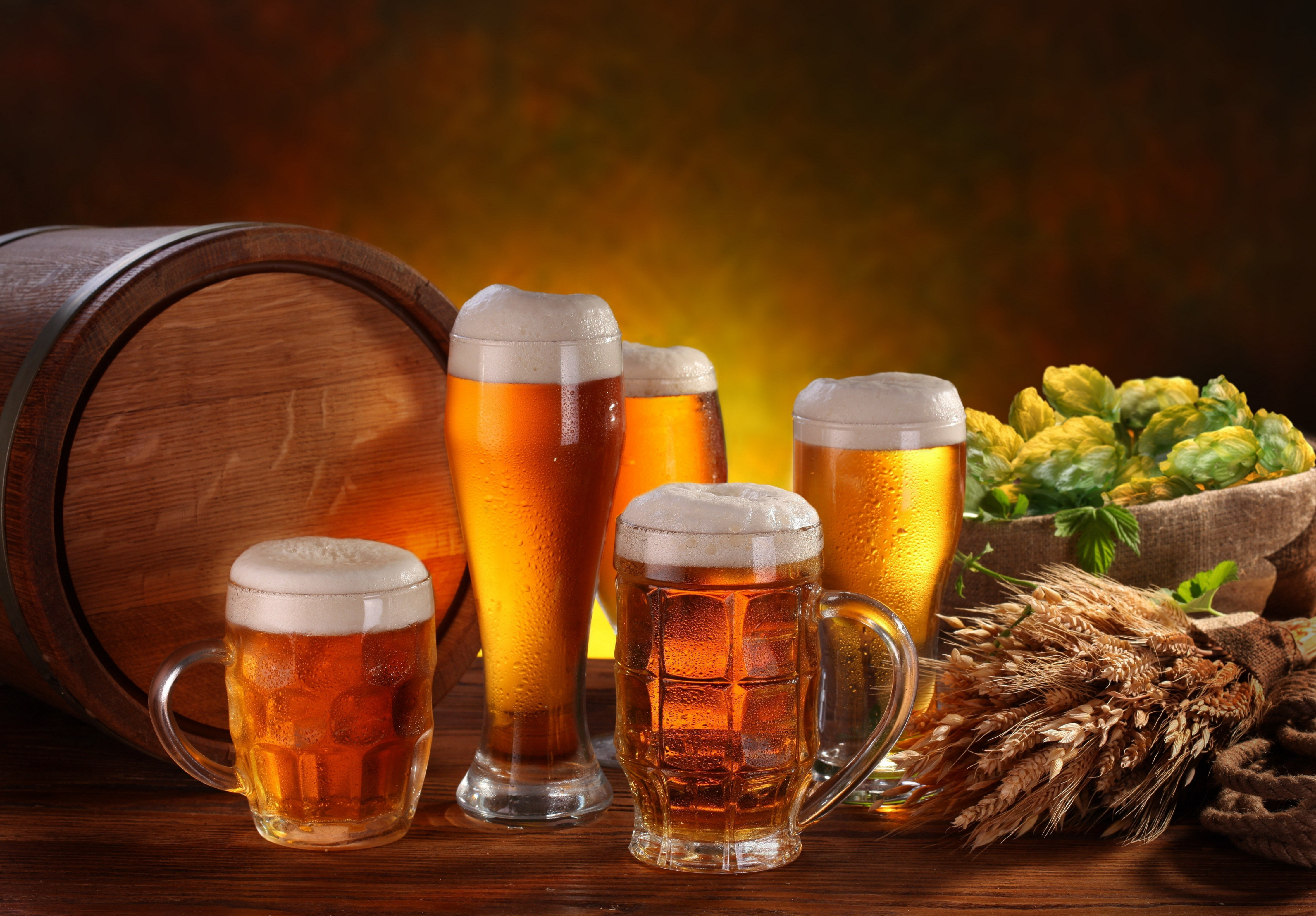
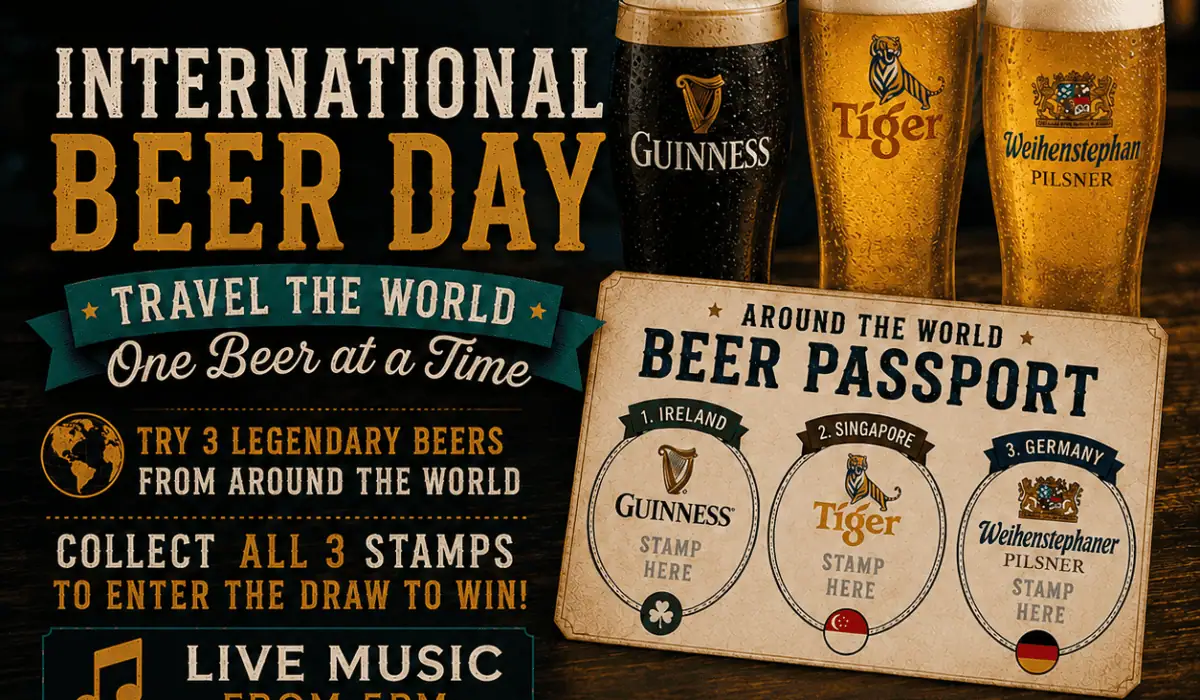
Another tradition is exploring beers from different countries. The whole point of this international celebration is for people to sample beverages from various cultures and share their own traditions. It’s also customary on this day to thank brewers, bartenders, and others who work with beer.
Not just drinking, but learning something new
You don’t have to celebrate International Beer Day with a big feast. For example, you can visit a brewery and see how beer is made. Many craft breweries offer tours where they explain malt, hops, yeast, and the fermentation process.

Another option is to host a small tasting at home with non-alcoholic or alcoholic varieties, but without overindulging. You can compare several types of beer by color, aroma, bitterness, and taste. Or simply look up information about the history of beer in a specific country. After all, recipes and drinking cultures vary greatly—from Belgian ales to German lagers and American craft beers.
Interesting Facts About Beer
Beer is thousands of years old. Archaeologists have found evidence of beer production and other fermented beverages dating back several millennia before our era.
There was a massive ancient brewery in Egypt. It is about 5,000 years old, and its production capacity could have allowed for brewing up to approximately 22,000 liters in a single cycle.
There is an ancient “song about beer.” The Sumerian “Hymn to Ninkasi,” dating from around the 18th century BCE, is dedicated to the goddess of brewing and contains a description of the process of making the beverage.
Hops were not always the main ingredient. Ancient brewers used various herbs, fruits, and spices.
Women played a major role in brewing. For much of history, brewing was a domestic task performed by women, and some of them sold the beverage.
There are beer recipes that are thousands of years old. Modern researchers even recreate ancient beverages based on archaeological finds and chemical residues.
Lager and ale are not the same thing. They differ in the type of yeast and the fermentation method.
International Beer Day Around the World
The holiday has long since ceased to be just an American tradition. It is celebrated in various countries, and bars, restaurants, breweries, and beer enthusiasts all take part in themed events. The format can vary greatly from city to city. In some places, it’s a large festival featuring dozens of varieties; in others, it’s a small tasting at a craft brewery; and in still others, people simply get together after work.

What remains constant is the desire to try something new and socialize. That’s why the organizers defined three main themes for the celebration from the very beginning: getting together with friends, honoring those who brew and serve beer, and bringing people together around beers from different countries.
What’s Important to Remember About the Holiday
International Beer Day is an opportunity to discuss the culture of beer, not a call for excessive alcohol consumption. Beer contains alcohol, so its consumption carries health risks, and it is not safe for minors, pregnant women, or people for whom alcohol is contraindicated.

If you choose to drink alcohol, it’s important to drink in moderation and not drive afterward. That’s why you can celebrate this day without alcohol—for example, by trying non-alcoholic beer, taking a brewery tour, or simply learning more about the history of beer.
Key Facts About International Beer Day
When: August 7, 2026.
Day of the week: Friday.
Why August 7: It’s the first Friday in August.
Status: Unofficial international holiday.
Where it originated: Santa Cruz, California, USA.
When it was established: 2007.
Who started it: Jesse Avshalomov.
When did the holiday become international: Starting in 2011, it began to spread actively beyond the United States.
Main idea: to get together with friends, celebrate the work of brewers, and learn about the beer traditions of different countries.

There are many ways to spend August 7. For some, it means tasting a new beer; for others, a trip to a brewery; and for still others, simply an evening with friends. The main thing this day reminds us of is that beer is not just a drink in a bottle or a glass. Behind it lie thousands of years of history, the traditions of different peoples, the work of brewers, and a vast culture that has evolved alongside humanity. And if you decide to join in the celebration, it’s important to remember to drink responsibly and in moderation. After all, a great evening with friends doesn’t have to end with one too many drinks.


