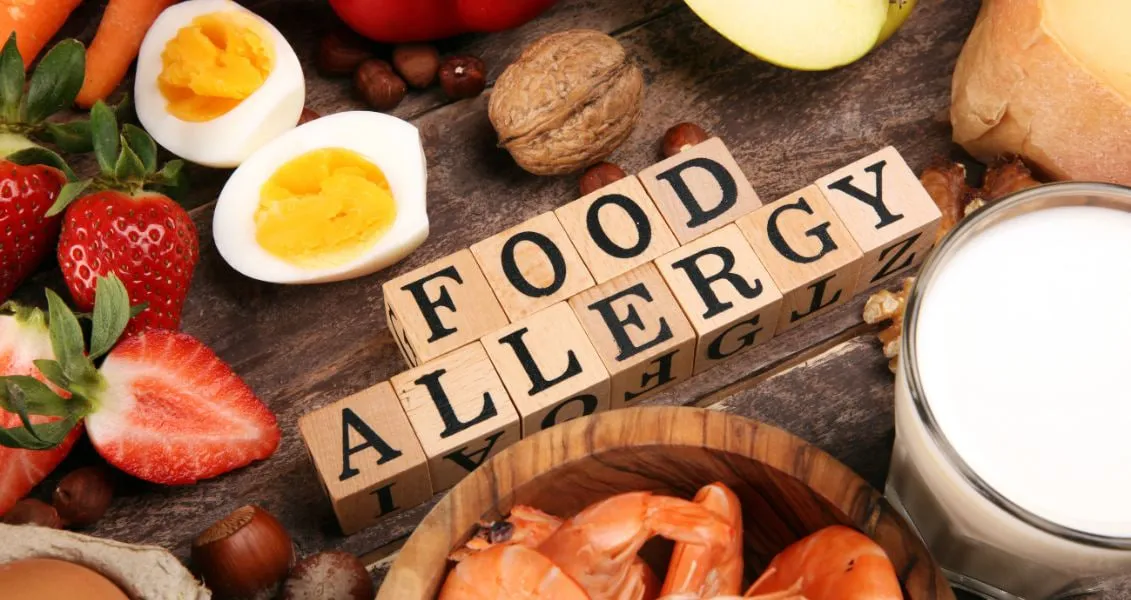
Every year on July 8, the world observes World Food Allergy Day. This date is intended to draw attention to a problem that is becoming increasingly pressing with each passing year. According to experts, millions of people worldwide suffer from food allergies, and the number of such cases, especially among children, continues to rise.
World Food Allergy Day serves as a reminder of the importance of early diagnosis, proper treatment, and public awareness of this issue. After all, even a common food can trigger a severe allergic reaction.
What Is a Food Allergy
A food allergy is the immune system’s reaction to certain foods or their components, which the body mistakenly perceives as a threat. In response, the body triggers a defensive reaction that manifests as various symptoms—ranging from mild itching to life-threatening anaphylactic shock.
The most common allergens are milk, eggs, peanuts, tree nuts, fish, shellfish, soy, and wheat. However, the list of allergens can vary from person to person.
How to Recognize a Food Allergy
The first symptoms may appear within a few minutes of consuming the food or within a few hours. Most often, a person experiences itching, a rash or hives on the skin, and swelling of the lips, tongue, or eyelids. Abdominal pain, nausea, vomiting, or digestive upset are also common.
In severe cases, an allergic reaction can lead to difficulty breathing, a sudden drop in blood pressure, and anaphylactic shock. This is a medical emergency and requires immediate medical attention.
How to Reduce the Risk of Dangerous Reactions
Doctors advise reading product ingredient lists carefully before purchasing and avoiding foods that have previously caused an allergic reaction. If a person has a confirmed food allergy, they should inform café or restaurant staff of this when ordering meals.
It is equally important to consult an allergist in a timely manner, who will help identify the specific allergen and prescribe the necessary treatment. For people at high risk of severe reactions, doctors recommend always carrying the medications prescribed by their doctor.
Why This Day Is Important
World Food Allergy Day is intended not only to inform people about the dangers of this condition but also to foster a responsible attitude toward one’s own health. Timely medical evaluation, a healthy diet, and knowledge of potential allergens help prevent serious complications and maintain quality of life.
The annual observance of this day serves as a reminder that paying attention to one’s own body and supporting people with food allergies can save health—and sometimes even lives.