
Global oil prices fell following Iran's statements about possible negotiations with the U.S.
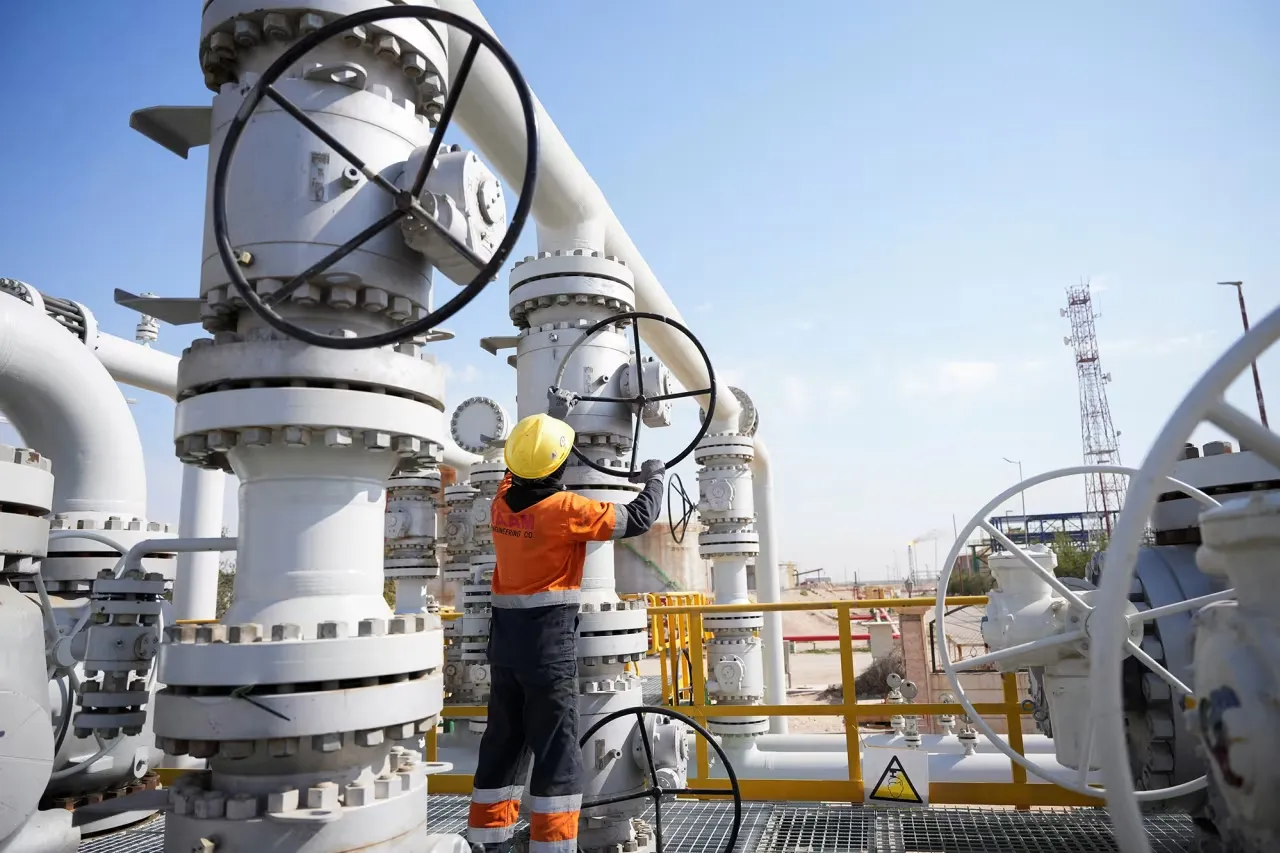
Oil prices gave up their earlier gains and fell slightly on July 20 following a statement by Iranian Foreign Ministry spokesman Esmail Baghai regarding the possibility of resuming negotiations with the U.S., taking national interests into account. Despite a series of military strikes and casualties among U.S. troops, U.S. mediators continue to exchange messages with Tehran.
Brent crude futures for September delivery traded at $88.23 per barrel (+0.1%), losing ground after the price had earlier exceeded $90 during the session. WTI crude for August delivery fell 0.2% to $82.29 per barrel.
The market was also influenced by the following factors:
Escalation around the Strait of Hormuz—the U.S. carried out strikes on Iranian targets for the ninth consecutive night, while the IRGC declared full control over the strait and its intention to completely block the transit of oil and gas.
A naval blockade—Yemeni Houthis announced a blockade of Saudi Arabia from the sea.
This was reported by CNBC.
Iran has asked the Yemeni Houthis to be prepared to block the Bab el-Mandeb Strait if the U.S. strikes Iranian energy infrastructure. If this scenario were to unfold, one of the world’s most critical maritime routes—leading to the Suez Canal—could be threatened.


