
Temperatures in the Indian Ocean influence winter droughts in the Levant
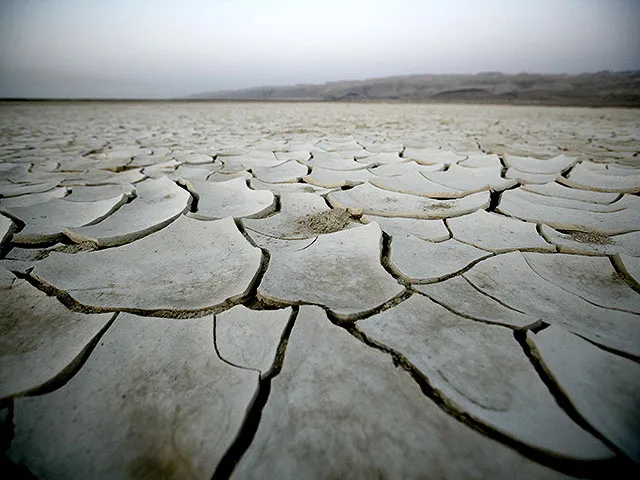
Scientists at the Hebrew University of Jerusalem have found that temperature fluctuations in the Indian Ocean make it possible to predict winter droughts in the Eastern Mediterranean several months in advance. An analysis of seven decades of data showed that cyclical changes in water temperature, known as the Indian Ocean Dipole, directly influence the region’s weather.
The positive phase of the dipole alters atmospheric circulation and causes the formation of persistent high-pressure systems that block precipitation and leave the Levant without rain for months. December temperature readings are particularly important for forecasting, as understanding these connections improves the accuracy of seasonal forecasts for agriculture and water resource management.
However, the researchers emphasize the importance of taking global processes into account, as local weather depends on events in the tropics.
Source: Atmospheric Research journal.
The ocean continues to warm at an alarming rate, and, according to climatologists, its ability to mitigate global warming is significantly declining. In 2025, the number of marine heatwaves—periods of abnormally high water temperatures—was more than three times higher than in the early 1990s, indicating a sharp acceleration in climate change.
Popular European tourist destinations are seeing a rise in mosquito-borne diseases this summer. Experts attribute this to the heat and climate change, which create favorable conditions for the spread of these dangerous insects.


