
Europe’s warming seas are reshaping ecosystems and threatening fisheries — Taipei Times
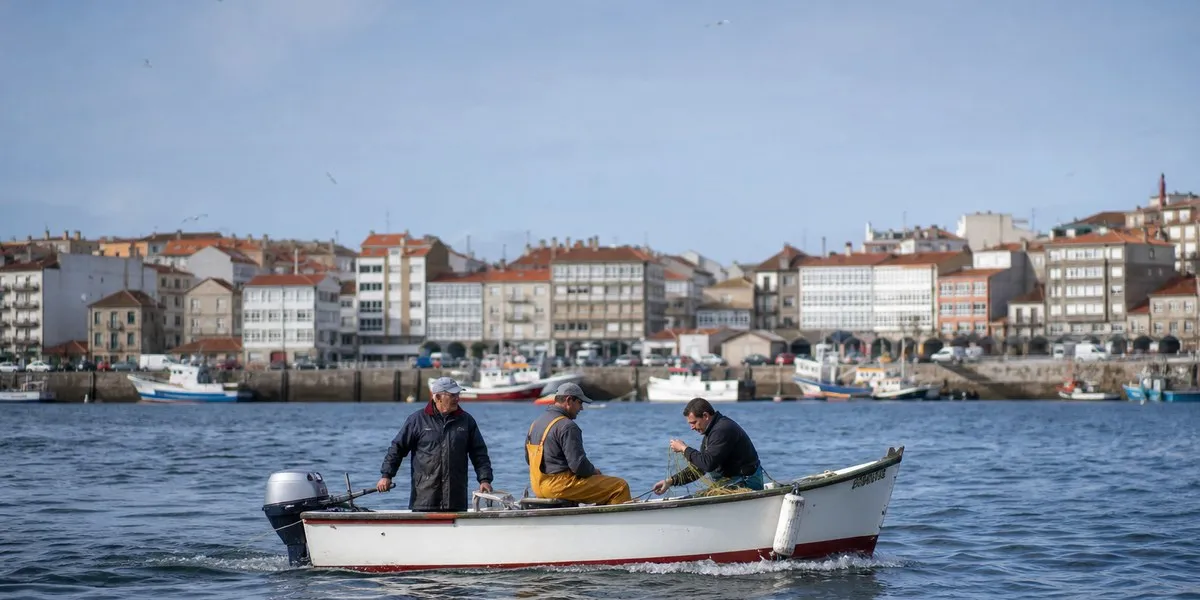
Waters off Spain and in other European seas recorded their warmest summer months since reliable satellite observations began in 1982. The average temperature of European waters from June through last month was 21.6°C, the highest figure in 45 years of available data, Taipei Times reports.
Temperature records were set from the English Channel to the Mediterranean Sea. In particular, on August 5, a buoy near Mallorca recorded 33.02°C, the highest temperature in the history of the Spanish port authority’s buoy network. Scientists link increasingly frequent, intense and widespread marine heatwaves to rising atmospheric temperatures caused by greenhouse gas emissions.
Disappearance of kelp forests
Warming has been particularly noticeable in the Bay of Biscay off the coasts of France and Spain. Its waters warmed to an average of 21.4°C, more than 2.4°C above the 1991–2020 norm. On August 13, data from the US National Oceanic and Atmospheric Administration showed 23.2°C there, the highest level of the satellite era.
Since the start of the year, 186 days of marine heat have been recorded in the bay, whereas in the 1980s such events lasted only a few days per year. José Manuel Rico Ordás, a professor of marine ecology at the University of Oviedo, estimates that about 95% of large kelp beds off the coast of Asturias have disappeared since 2010. They provided food, shelter and nursery grounds for many species important to small-scale fisheries.
More current news is available on the UA.News Telegram channel Telegram.
According to the scientist, kelp usually requires water temperatures below 20°C. Fishers, researchers and conservationists are trying to restore kelp forests by planting laboratory-grown seedlings in the sea.
Surge in octopus catches
In southern England, fishers are meanwhile reporting a sharp increase in catches of common octopus. Last year, catches totaled about 2,600 tonnes, and since the beginning of this year they have exceeded 3,000 tonnes. Until last year, the annual catch of this species had not exceeded 30 tonnes.
Bryce Stewart, a senior research fellow at the Marine Biological Association in Plymouth, said octopus larvae are carried into British waters by currents from areas around the Channel Islands, Brittany and more southern regions. Since 2022, the English Channel has experienced marine heat conditions for an average of about six months each year, which promotes octopus reproduction in UK waters.
However, octopuses feed on lobsters, brown crabs and scallops. The Marine Biological Association estimated that the surge in octopus numbers may be linked to about £10 million in losses from shellfish and crustacean catches, while the value of octopus catches from January to September last year was about £12 million. Over the past 12 months, four of more than 90 vessels in the South Devon and English Channel fishers’ cooperative have ceased operations.




