
Ecuador’s Indigenous territories preserve forests no worse than protected areas
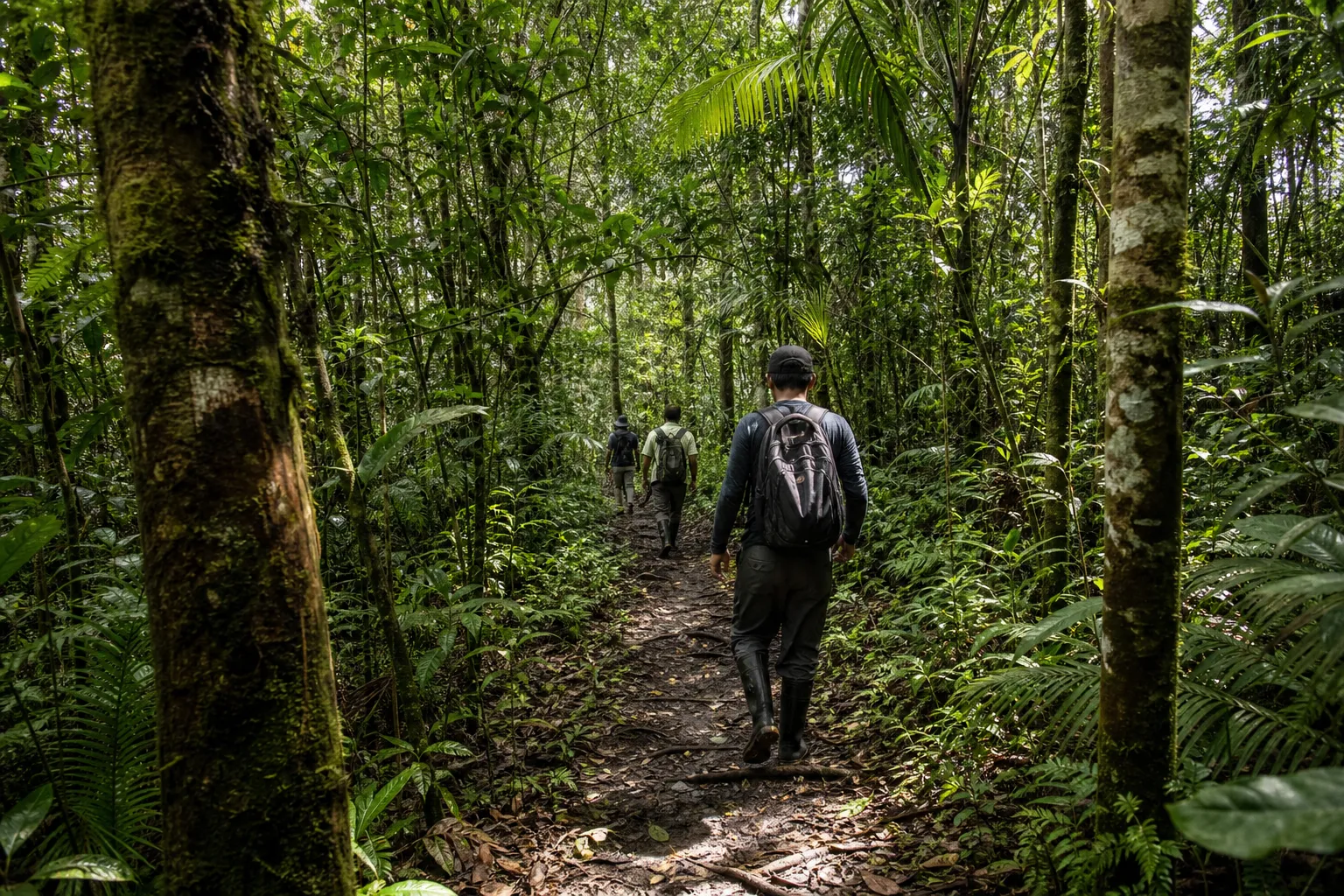
Indigenous territories in the Ecuadorian Amazon without formal conservation agreements maintain forest conditions no worse than formally protected areas. This was the conclusion reached by the authors of a new study, as reported by Mongabay.
Three forest management models
Scientists compared three approaches to forest management in Ecuador: areas protected by state institutions, forests managed by local communities under formal conservation agreements, and Indigenous lands without such agreements.
To assess forest conditions, the researchers used satellite data. They analyzed long-term changes in vegetation greenness as an indicator of forest cover degradation or improvement, abrupt changes caused by the emergence of settlements, roads and agricultural fields, as well as the response of forest productivity to drought linked to the El Niño phenomenon in 2015–2016.
More current news is available on the UA.News Telegram channel Telegram.
Resilience after drought
Forests protected by communities under formal agreements showed the best results on certain indicators, particularly resilience after drought. At the same time, Indigenous territories where natural resources may be used to meet community needs and preserve culture had forest-condition indicators comparable to those of other management models. It was on these lands that the largest share of areas with positive long-term vegetation greenness trends was recorded.
The largest share of negative long-term changes that may indicate degradation was found in forests protected by state institutions. In the north of the Ecuadorian Amazon, 78.6% of analyzed pixels in this category showed a decline in greenness, while in the south the figure was 57.1%.
The researchers suggest that this may be partly explained by a more developed road network, greater pressure from population growth and oil extraction in the north of the Ecuadorian Amazon. The study’s lead author, Fernando Troya, noted that these activities have created persistent pressure on forests for decades, even when they remain uncut.


