
Nurses' strike in Kenya continues for more than 40 days
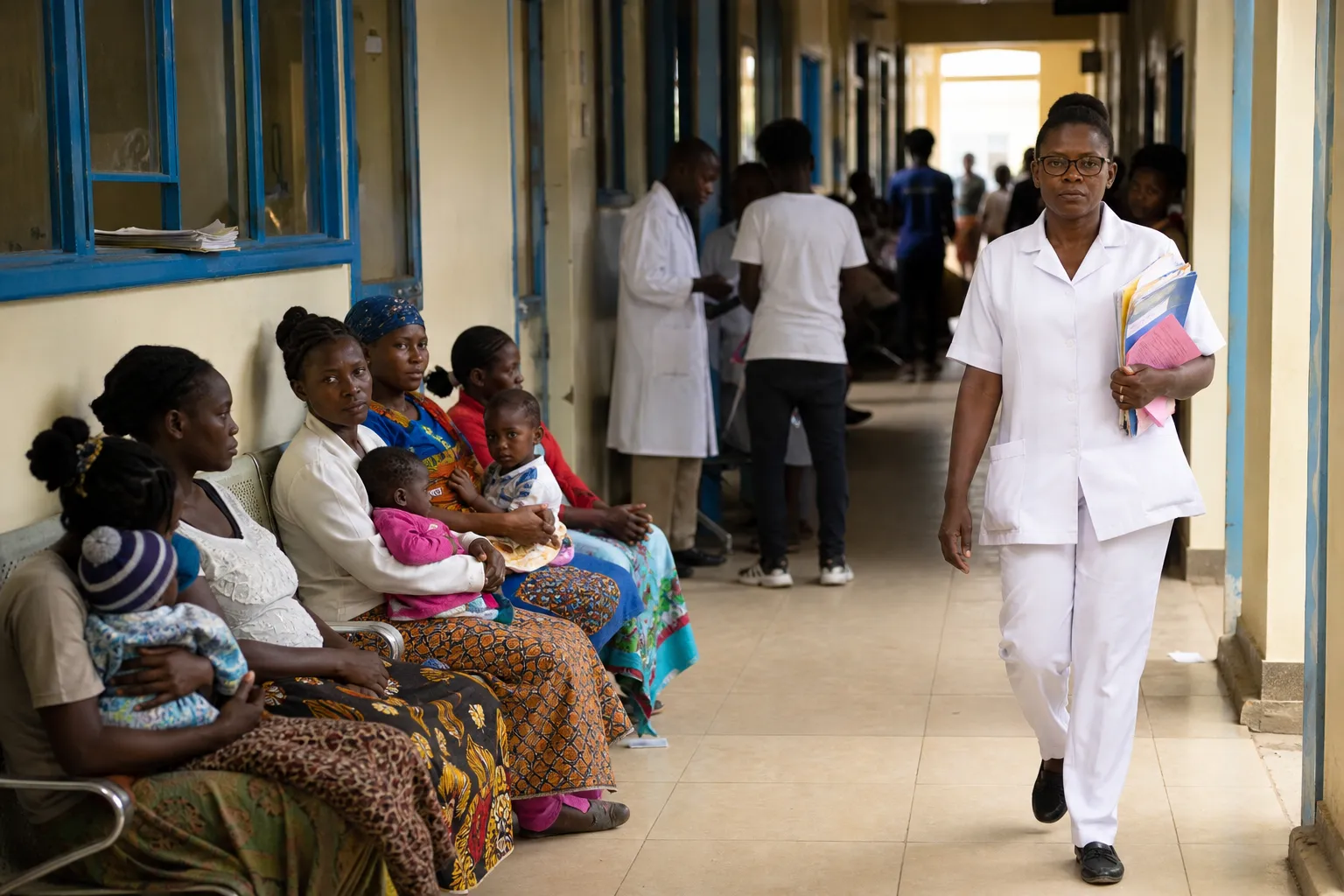
In Kenya, a nationwide nurses' strike has been continuing for more than 40 days and has significantly disrupted the work of many public healthcare facilities. As Nation Kenya notes, the prolonged labor dispute exposes deeper problems in the country's healthcare system.
According to Kenya's Ministry of Health, the country has more than 110,000 nurses, who make up about 58% of all healthcare workers. They monitor patients' conditions, administer medication, care for wounds, coordinate care with other medical professionals, and work in maternity and outpatient departments.
Pressure on hospitals
Kenyatta National Hospital and other referral medical facilities are receiving more patients seeking institutions where nursing care remains available. This increases the workload on medical staff who continue to work and may affect waiting times, the quality of care, and patient safety.
More current news is available on the UA.News Telegram channel Telegram.
Rural and underserved counties are particularly vulnerable, as it was difficult to attract and retain healthcare workers there even before the strike. The article refers to reports of maternal and newborn deaths during the strike. The author emphasizes that careful clinical monitoring is necessary during childbirth and in the early postpartum period, as postpartum hemorrhage, infections, and severe hypertension can quickly become life-threatening.
Labor relations in healthcare
Doctors expressed concerns about safety and their ability to work for extended periods without sufficient support from nurses. The publication notes that doctors, nurses, clinical officers, pharmacists, and laboratory specialists perform different but complementary functions.
Responsibility for healthcare workers in Kenya is divided between the national government and county governments, and counties, national ministries, trade unions, and other institutions may be involved in negotiations. In the author's view, this system may slow the resolution of labor disputes and contribute to differences in employment conditions. The author also calls for funding nursing staff to be viewed not only as salary expenses but as a component of strengthening the healthcare system.


