
Ship traffic through the Strait of Hormuz has reached its highest level since the start of the war
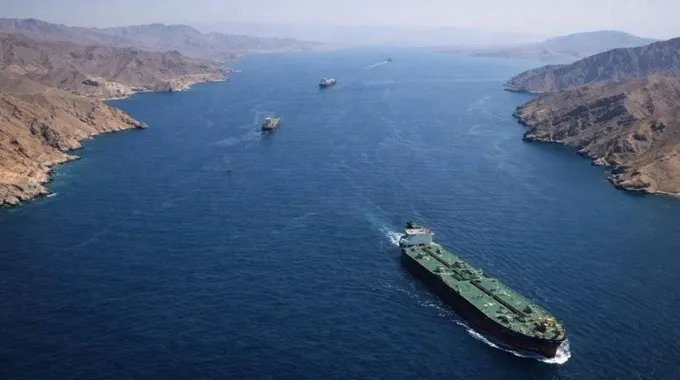
The volume of cargo ship traffic through the strategically important Strait of Hormuz has reached its highest level since the start of the large-scale conflict in the Middle East. According to data from the maritime analytics company Kpler, at least 36 vessels passed through the strait on June 22, and this number may increase once additional routes are recorded.
The current figure represents about one-third of the typical peacetime level for this strait, through which one-fifth of the world’s total oil and natural gas exports are transported.
The increase in traffic by oil tankers, gas carriers, and dry cargo ships carrying raw materials began after Washington and Tehran signed an official memorandum of understanding on June 14 regarding de-escalation and the cessation of hostilities. By comparison, after Iran completely closed the strait on March 1 following a series of military strikes by the U.S. and Israel, fewer than 10 vessels passed through it per day. However, as of June 15, the average daily number of crossings had risen to 21 vessels.
Despite this positive trend, the future status of this maritime corridor remains the subject of heated debate. Tehran’s chief negotiator, Mohammad Bakir Kalibaf, has publicly stated that the Strait of Hormuz will never return to its pre-war state and will henceforth be controlled exclusively by the Islamic Republic of Iran in accordance with international law. The question of who exactly will manage this critically important waterway has been identified as one of the key issues during the bilateral negotiations, which will continue over the next two months.
Official details regarding the resumption of shipping were published by Radio Free Europe/Radio Liberty.
As a reminder, global prices for Brent crude oil fell following the conclusion of talks between the U.S. and Iran in Switzerland, during which Tehran announced that it had secured exemptions for the export of oil and petrochemical products. This eased market concerns about a potential supply shortage.
Global oil prices fell sharply on Thursday, June 19, amid reports of an agreement between the U.S. and Iran. Brent futures fell to $77.96 per barrel, while WTI futures dropped to $74.96, their lowest levels since late February.
The U.S. and Iran will create a $300 billion fund to revive the economy — Reuters.
Peace on Tehran’s terms: why the deal with Iran looks more like a U.S. capitulation.


