
In Botswana, livestock protection reduced losses to lions — Daily Maverick
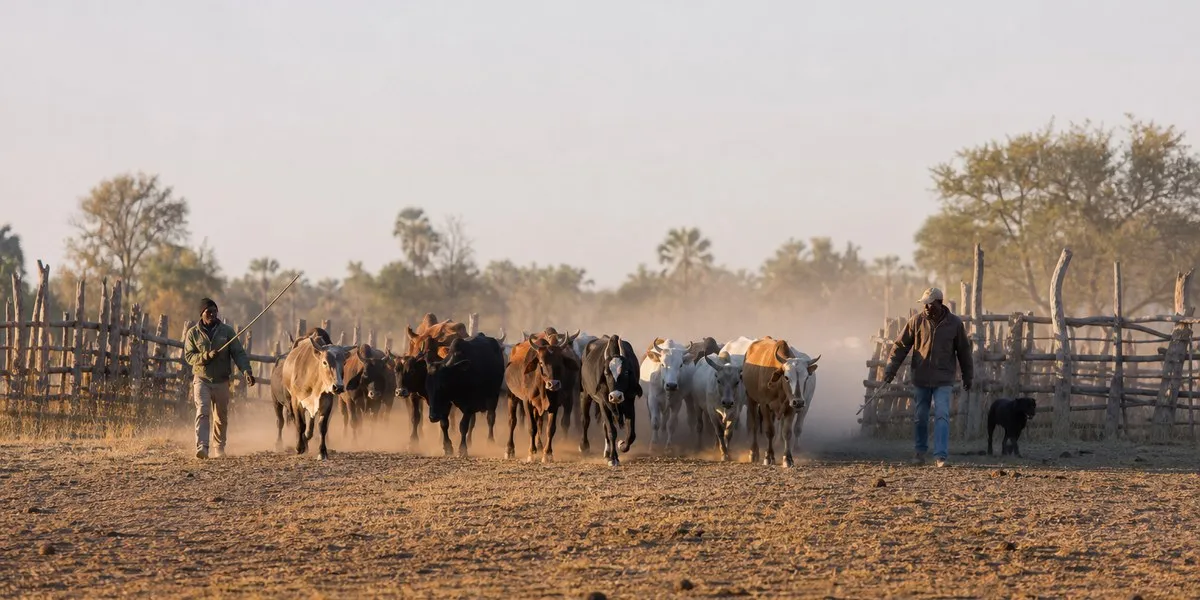
In the village of Gunotsoga in Botswana’s Okavango Delta, a livestock protection and lion-proximity alert programme has helped reduce animal losses to predators. Over four years, project participants recorded three cases of livestock being killed by lions, while the number of lions known to the project team rose from about 40 to more than 100 individuals, Daily Maverick reports.
The programme is implemented by the conservation organisation CLAWS Conservancy. It combines traditional livestock herding with technology: lions were fitted with trackers, and herders receive alerts through a mobile app about predators being near the herds.
From poisonings to herd protection
Previously, livestock deaths led to retaliation by farmers. In 2013, about half of the local lions disappeared, probably after killings; researchers identified 28 animals that died from poisoning. Poisoned carcasses were also linked to the mass deaths of vultures.
CLAWS Conservancy founder Andrew Stein said the team decided not to focus on prosecuting people for using poison, but to offer them other ways to keep their livestock safe. The organisation also teaches herders about pasture ecology, basic veterinary care and protecting herds from predators.
More current news is available on the UA.News Telegram channel Telegram.
The lion alert system and the herding programme were launched in 2019. According to Stein, farmers have received more than 70,000 warnings over seven years. Four herds with a total of about 700 head of livestock operate under the programme.
A market for programme participants
According to Stein, 380 farmers have joined the programme, while 96 are directly involved in the livestock herding project. Efforts are also being made to develop a more profitable market for their meat. Farms in the eastern part of the delta operate in the so-called red zone, where demand for beef is limited and export opportunities are fewer.
Participants’ herds received certification from the international Wildlife Friendly network — the first such certification for cattle in Africa. The Wilderness Vumbura Plains lodge agreed last year to purchase beef from local farmers quarterly. According to distributor Beef Boys, farmers in the eastern arm of the Okavango usually receive about 10% more than the median level.
Livestock is currently transported to Maun, about 150 km from the village, for processing and further supply. Stein said the team had completed a feasibility study for setting up a slaughter facility directly in the village.




