
Buryatia has confirmed the death of a woman from the plague
Buryatia’s head, Alexei Tsidenov, confirmed that a resident of the Irkutsk Region died of the plague, but stated that she had not traveled to Buryatia. Earlier, media reports had suggested a possible link between her infection and the region.
According to Tsidenov, data from Rospotrebnadzor and the Buryatia government indicate that the woman was not present in the republic. He stated that the source of the infection is linked to “other circumstances.”
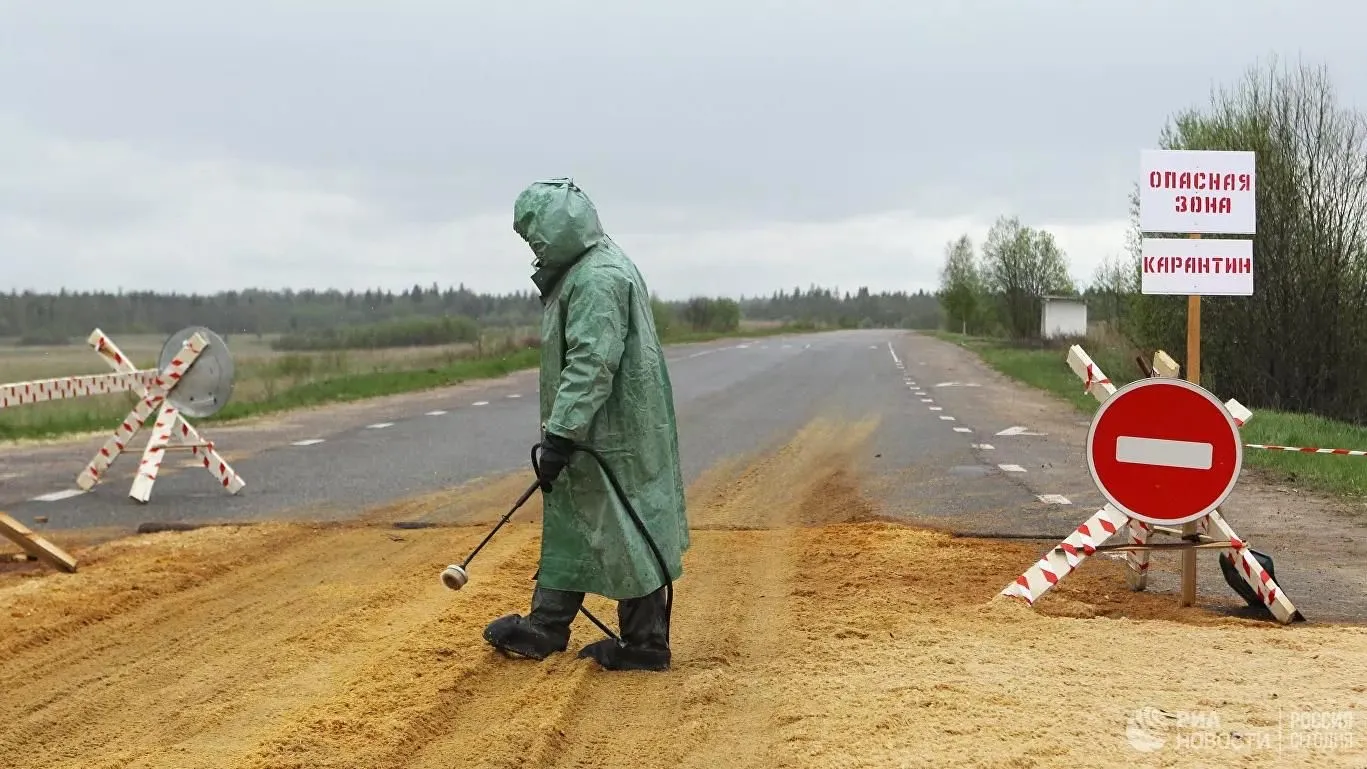
Reports of the woman’s death and the circumstances of her infection are currently accompanied by reports of anti-epidemic measures in the Irkutsk Region. In particular, the Shelekhov District Hospital has been closed for quarantine, and people who came into contact with her have been placed under medical observation. According to local authorities, they currently show no symptoms, and their laboratory test results are negative.
Earlier, Russian media reported that a 27-year-old employee of the Irkutsk Anti-Plague Institute had died. According to one account, she may have become infected during a work trip to Buryatia, where natural outbreaks of the plague had been recorded near the border with Mongolia.
Another version cited by the media linked the infection to the laboratory. Specifically, it was suggested that the woman might have accidentally damaged a test tube containing the dangerous bacteria while working with biological material. However, these versions have not been officially confirmed.
The woman was hospitalized at the Shelekhov Hospital with symptoms of pneumonia and placed on a ventilator. She died two days later.
However, as of October 2, the Irkutsk Region authorities had not publicly identified the infection that prompted the anti-epidemic measures, stating that final conclusions must be made by experts.
Earlier in the Irkutsk region of the Russian Federation, nearly 200 people were hospitalized on suspicion of plague.
Two female tourists brought a dangerous disease from Zanzibar to Lviv.
Earlier, doctors in Lviv diagnosed a man who had returned from Uganda with tropical malaria.




