
The EU is considering a new sanctions regime against Russia
The European Union is considering changing its approach to sanctions against Russia. Instead of large packages, which are becoming increasingly difficult to agree upon, Brussels may shift to more frequent and targeted restrictions. Irish Foreign Minister Helen McEntee confirmed this possibility.
The European Union may revise its sanctions policy toward Russia. Brussels is currently discussing an option under which smaller but more frequent restrictions would be adopted instead of large-scale sanctions packages.
Irish Foreign Minister Helen McEntee reported this in an interview with Euractiv. According to her, the EU is analyzing which format of sanctions would be most effective under the current circumstances. “We need to see which approach is best,” McEntire said.
Ireland, which currently holds the presidency of the EU Council, participated in negotiations on the 21st sanctions package. It was only agreed upon after difficult discussions, particularly with Greece, which insisted on protecting its own shipping industry. These very negotiations demonstrated that with each new package, it is becoming increasingly difficult to achieve unanimity among all member states. Some of the restrictions proposed by the European Commission had to be watered down or removed entirely during the discussions.
One of the ideas currently being actively considered in the EU is a proposal from Ukraine. Foreign Minister Andriy Sibiga called for new sanctions to be imposed every time Russia strikes the civilian population or civilian infrastructure. Makenti confirmed that this option is being seriously considered in Brussels. “Unfortunately, we are seeing the highest number of attacks on civilian infrastructure and people since the start of the war; this recently happened in Kyiv. So, should we take something like this into account? This is something the Commission is actively studying and refining,” she noted.
The minister also acknowledged that agreeing on new sanctions is becoming increasingly difficult. The reason is the economic interests of individual member states, which are exerting a growing influence on the negotiations. “It is quite obvious that the more sanctions we impose and the more packages we adopt, the more difficult it becomes, as individual economies, industries, and sectors within member states are becoming increasingly interconnected,” said Makenti.
At the same time, she emphasized that differences between countries should not be a reason to ease pressure on Russia. According to the Irish foreign minister, the European Union must continue to seek effective ways to strengthen sanctions and respond to Russian aggression against Ukraine. She made these remarks in an interview with Euractiv.
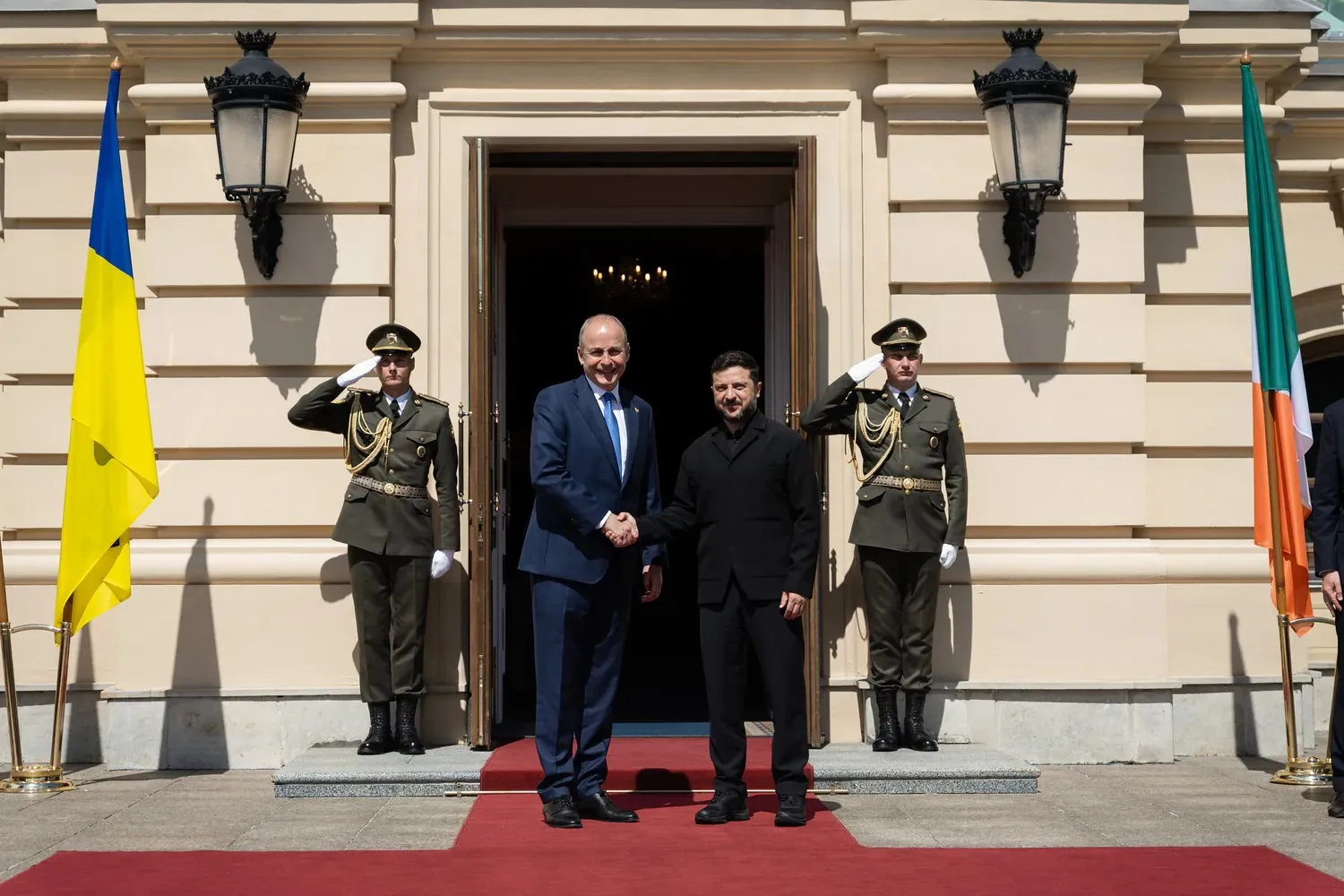
Irish Prime Minister Micheál Martin stated that the 10-point “Kachka-Kos” plan for priority reforms is what Ukraine needs to work on to meet the criteria for accession to the European Union. At the same time, he hinted that this plan could be revised.


