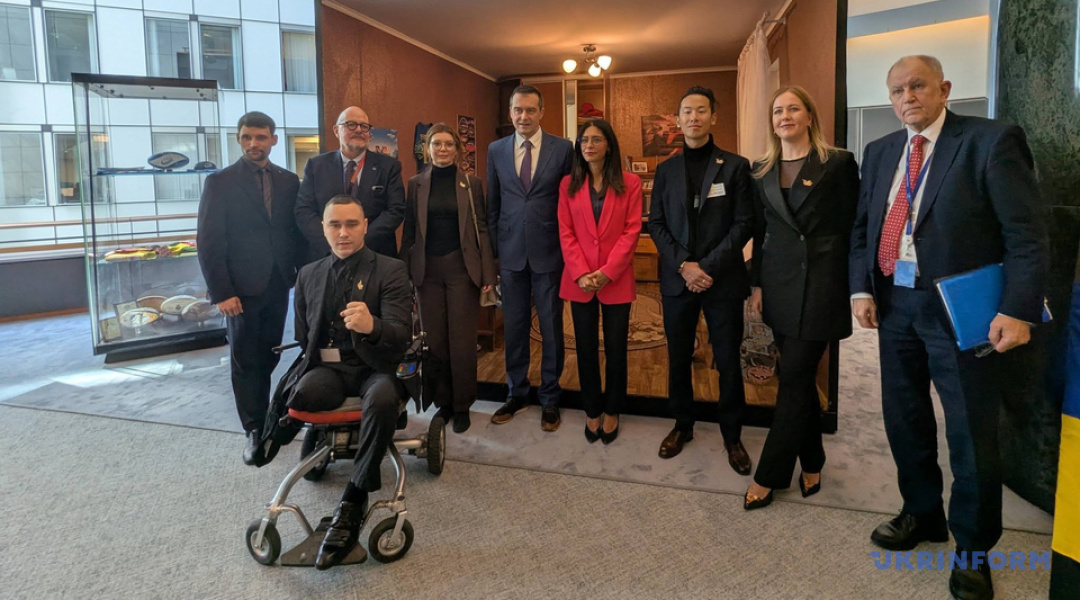
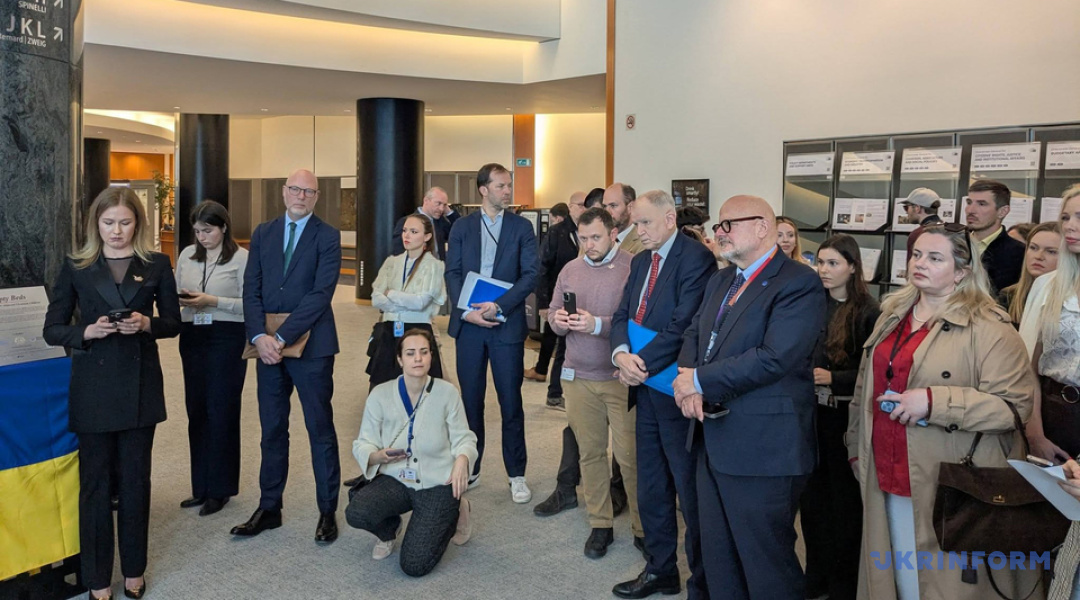
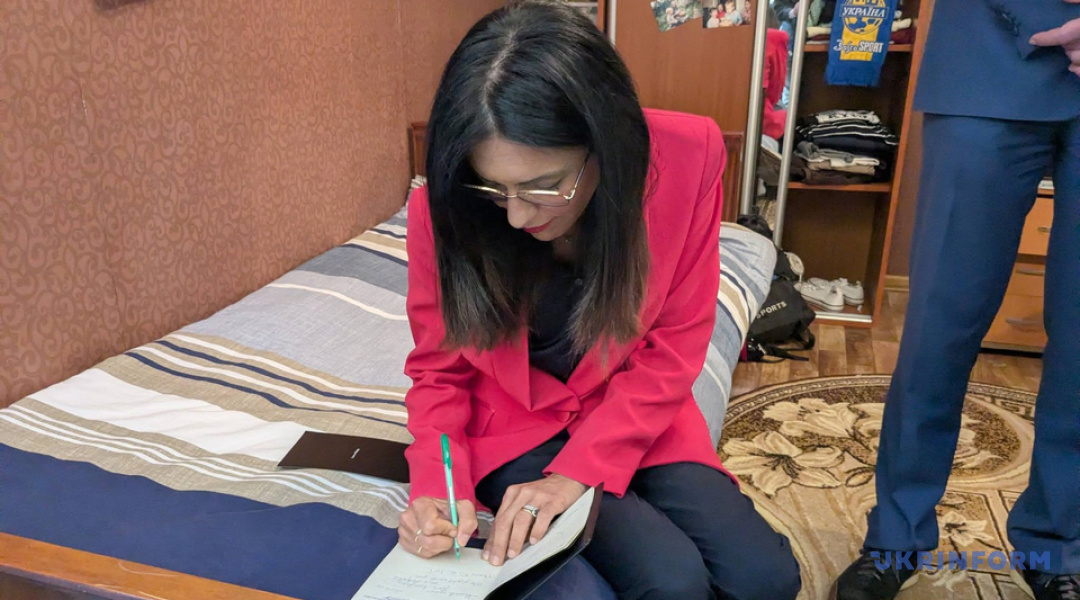
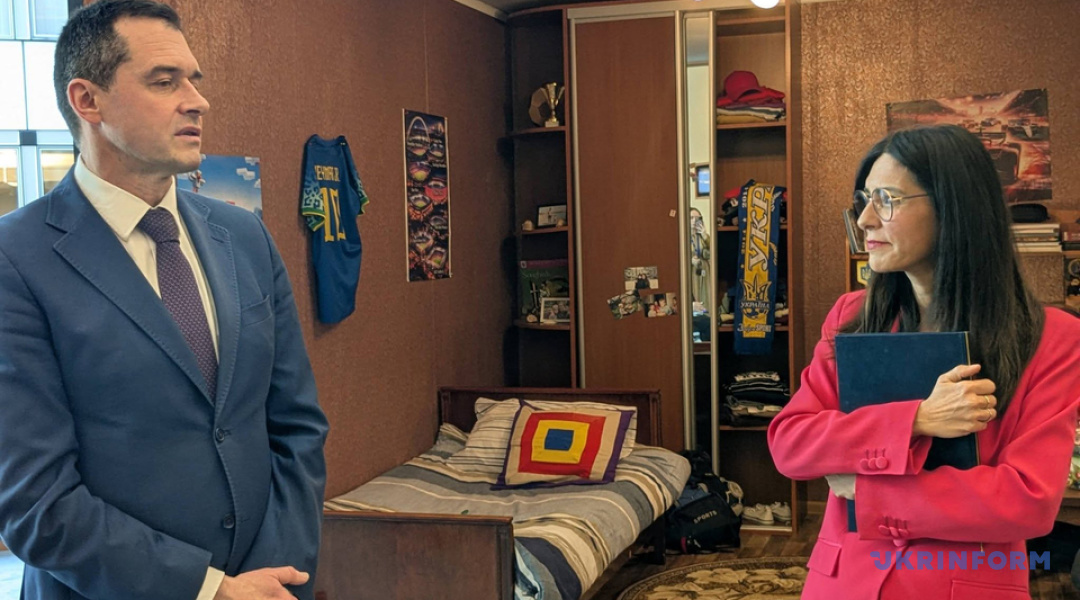
An installation dedicated to Ukrainian children abducted by Russia was unveiled at the European Parliament. The exhibition was opened as part of the European tour of the “Empty Beds” project and the event “Deported Ukrainian Children: A Call to Action.”
This was reported by Ukrinform’s correspondent in Brussels.
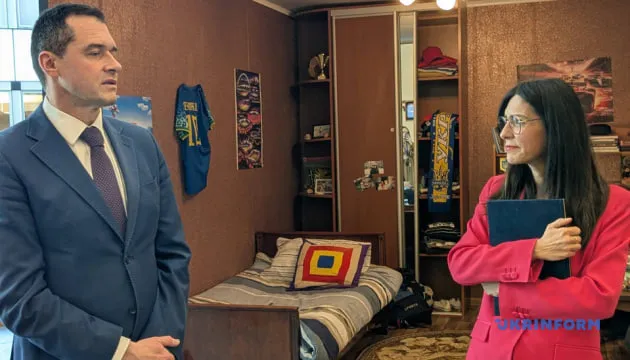
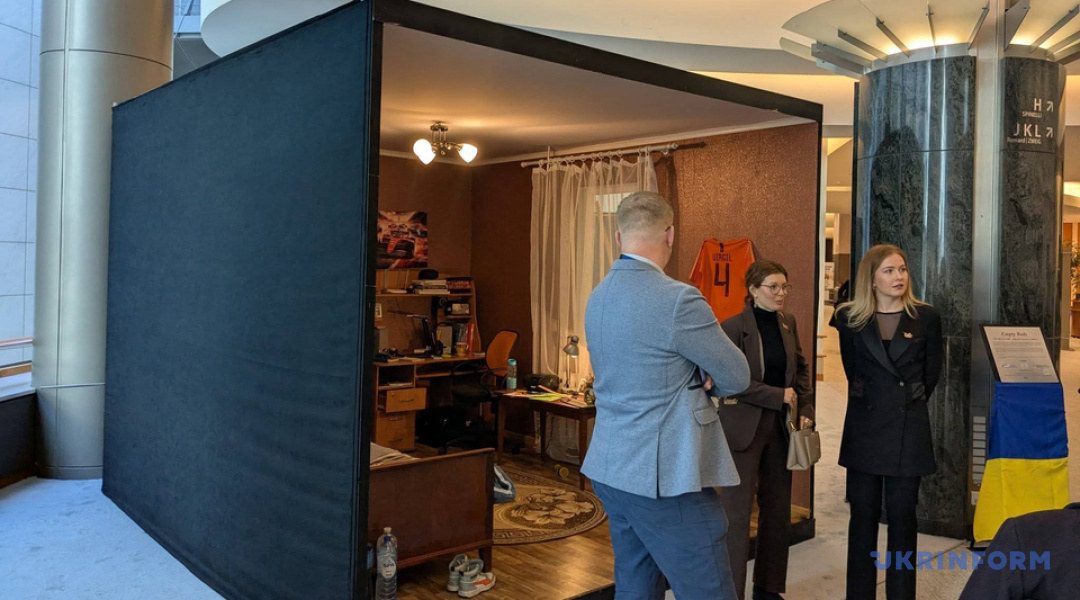
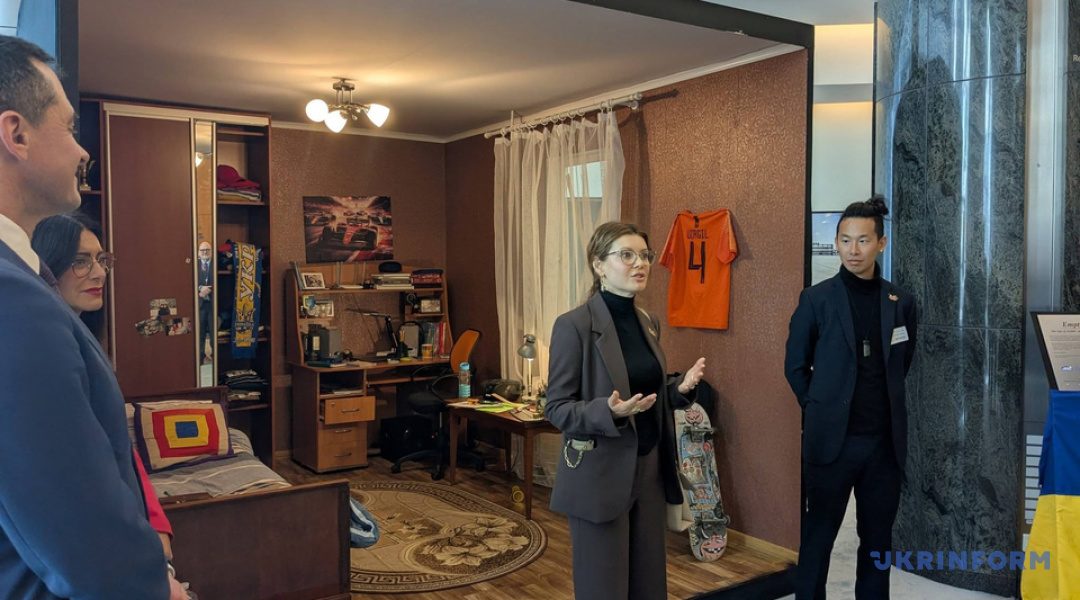
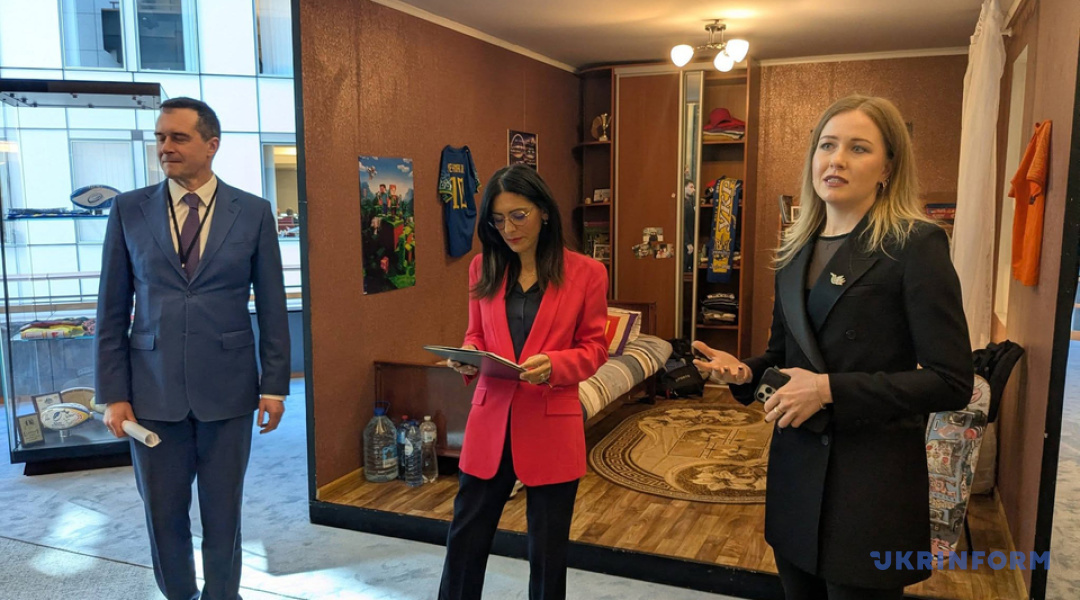
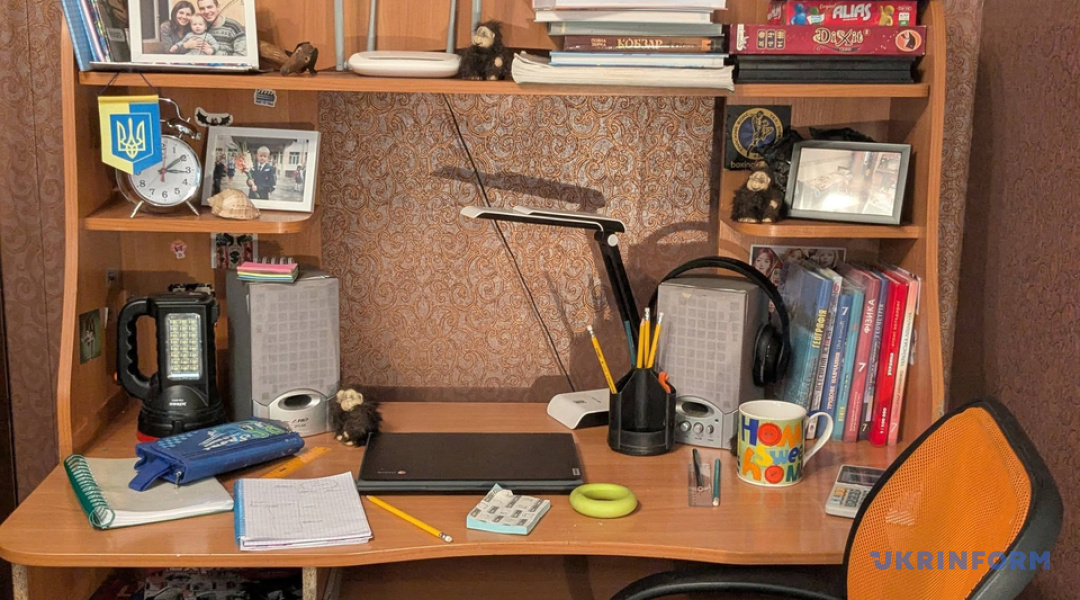
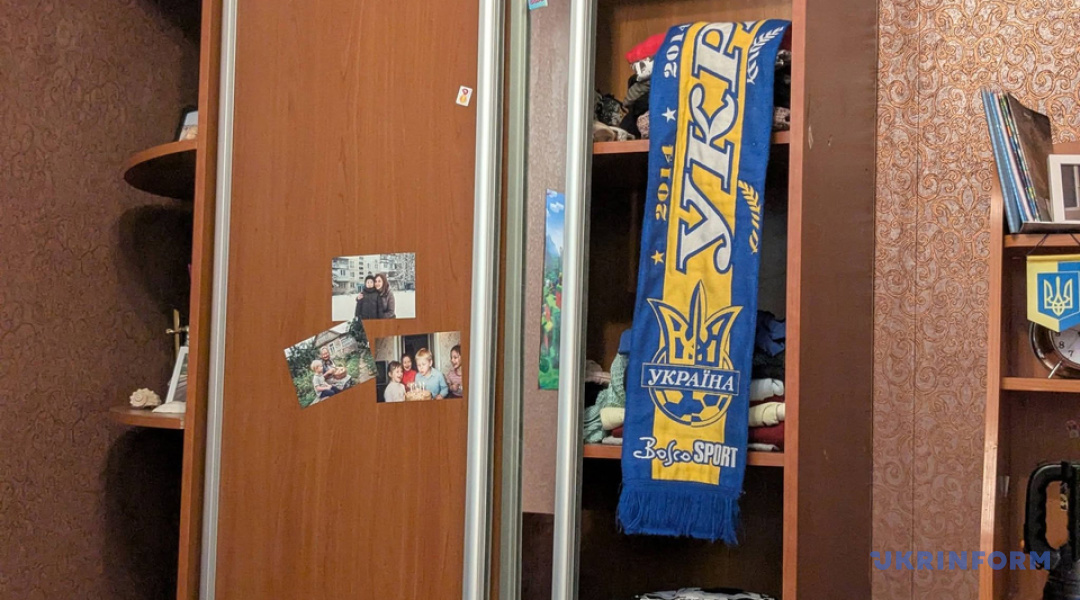
The installation—a life-size children’s bedroom “frozen” at the moment of the child’s abduction by the Russians—invites visitors to glimpse the reality of 13-year-old “Artem,” a character fictionally created from several verified testimonies of children taken by Russia from the temporarily occupied territory of Ukraine. The boy, who dreamed of becoming an architect and building a new Ukraine, was taken to occupied Crimea, from where he never returned.
The real names of the children currently held by Russia are not disclosed for their safety.
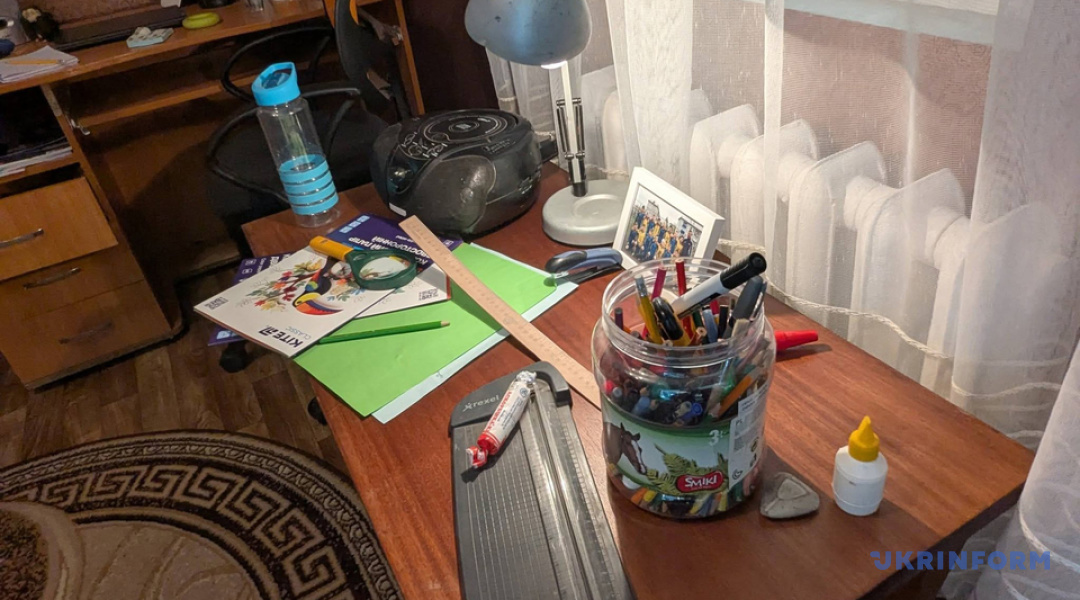
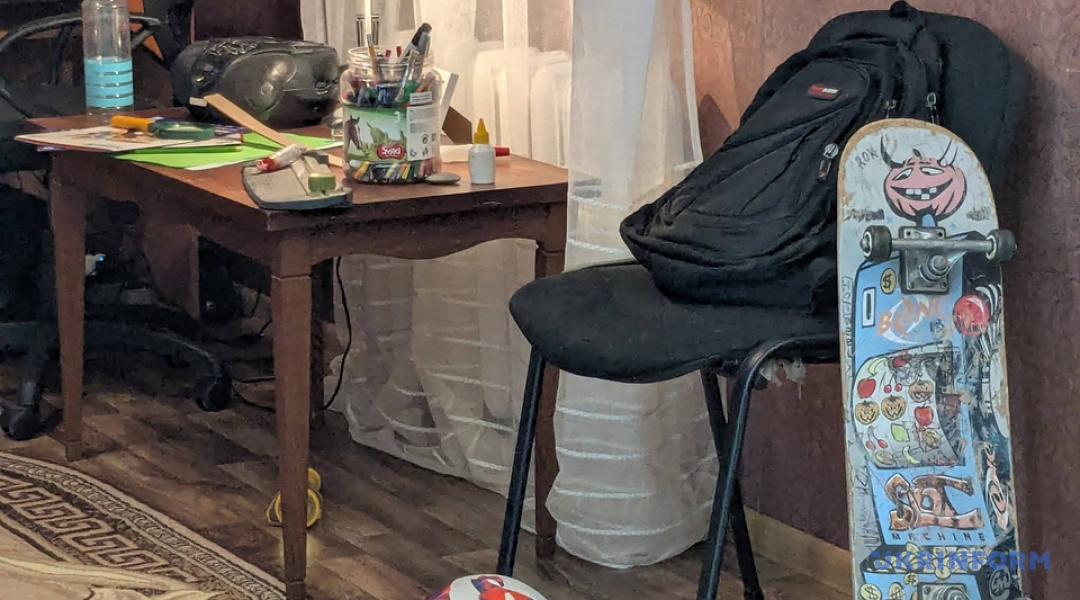
A made bed, scattered belongings, an “emergency” backpack, and windows taped shut to protect against bomb blasts tell the story of an ordinary childhood destroyed by war.
Zhanna Galeeva, co-founder of Bird of Light Ukraine, emphasized in a comment to Ukrinform that the exhibition’s goal is to draw additional attention from Members of the European Parliament to the issue of returning children abducted by Russia. “The events in the room take place in 2022, during the occupation, when enemy troops are advancing. We are in a space where time has frozen. Fear, worry for one’s children… Everything Ukrainians are going through. All of this is felt in this room,” she noted.
One of the project participants, Lon Feng Yong, told Ukrinform about the special soundtrack accompanying the installation: “Against the backdrop of machine-gun fire, which seems to be heard from outside the window, somewhere in the distance, and the muffled sounds of explosions, there is also a certain noise recorded at frequencies that the human ear cannot detect, but which at the same time evoke feelings of anxiety and unease.”
“It’s hard to compare, but we want to convey the sense of anxiety felt by Ukrainian mothers and fathers,” Yong stated, adding that the project aims to allow viewers to literally “step into Ukraine” and bring real human stories to the dry statistics of child abductions.
During the opening of the installation, European Parliament Vice President Pina Picerno emphasized that the abduction of children is one of the weapons Russia is using in its military aggression against Ukraine.
“And the European Parliament must be precisely the place where the harsh truth is always accepted,” Picerno stated. “Erasing a child’s identity is a crime not only against specific children, but also against the future of an entire nation.”
Ukraine’s representative to the EU, Vsevolod Chentsov, thanked the project’s organizers and emphasized that Ukraine is currently fighting against any “normalization of war, suffering, and death.”
“The perpetrators and organizers of these crimes must be held accountable,” Chentsov emphasized.
The project is being implemented by the non-governmental organization Bird of Light with the support of the Mission of Ukraine to the EU and in partnership with the President of Ukraine’s Bring UA Kids Back initiative and the Ombudsman of Ukraine.
Bird of Light Ukraine is a U.S.-Ukrainian charitable organization established following Russia’s full-scale invasion of Ukraine in 2022. The foundation focuses on humanitarian aid, infrastructure reconstruction, and effective advocacy.
To date, the organization has provided assistance to over 675,000 Ukrainians through programs ranging from emergency aid and water supply to the creation of community centers for IDPs.
As reported, according to official data, over 20,000 Ukrainian children have been abducted by Russia. The actual number is likely much higher. These are not isolated cases, but the result of the aggressor country’s systematic state policy aimed at permanently removing them from their families and erasing their Ukrainian identity.
After being abducted, the children are placed into a state network of processing and detention facilities, comprising over 210 specialized institutions located from the Black Sea to the Pacific Ocean.
The children undergo systematic “re-education” aimed at erasing their Ukrainian identity. They are taught revisionist history lessons and “patriotic” programs designed to integrate them into Russian society, which is often a prerequisite for forced adoption.
In 20% of these facilities, re-education escalates into forced militarization. Children as young as eight are subjected to “psychological and physical conditioning,” which includes training, marksmanship drills, and simulated parachute jumps. In some cases, children are forced to assemble military equipment, including drones and rapid-loading devices for assault rifles.
The EU Council and the European Parliament have agreed on new trade rules.
As a reminder, in January–February 2026, Ukrainian customs authorities detected 1,822 customs violations totaling 460 million hryvnias. This is 24% more than during the same period last year.