
In France, a cache of 400 World War II-era shells was discovered after a fire
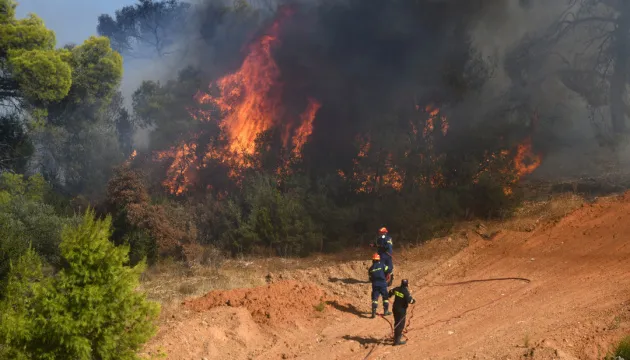
Forest fires in southern France have not only destroyed homes but also led to the discovery of an old cache of ammunition. In the municipality of Le Porge, approximately 400 shells and other ammunition from World War II were found. Some of them exploded right during the fire due to the high temperatures.
The dangerous discovery was made during a large-scale forest fire in the municipality of Le Porge in southern France. According to the head of the local fire department, the explosions—which could initially have been mistaken for gas cylinders exploding—were most likely caused by old munitions. They detonated due to the intense heating of the soil and the surrounding area.
Le-Porge Mayor Marcial Zanetti said that more than 100 explosions were heard during just the second night of the fire. “There were ammunition depots buried in the ground in our municipality, but we didn’t know about them, and they exploded,” the mayor said. Afterward, experts began inspecting the area and discovered a cache of old ammunition.
About 400 shells were found
According to French media reports, the ammunition found included German and French mortar and anti-tank shells. In total, there were approximately 400 rounds. The dangerous discovery posed a serious threat to local residents, so demining operations were carried out in the area.
As a result, most residents were able to return to their homes. However, some areas of Le Porge remain closed to the public. The fire itself caused significant damage, destroying more than 180 homes in the area.
Fires have swept across much of Europe
Forest fires raged across various parts of Europe for two weeks. France and Spain were hit hardest by the disaster. More than 330,000 people had to be evacuated due to the fires there. France was one of the hardest-hit countries. In the southwestern part of the country, the fire destroyed about 42,000 hectares of forest.
This fire was one of the largest in France since World War II. At the same time, it helped uncover a dangerous “trace” of the war that had remained buried underground for decades.


