
Rare red-legged ibises have been released back into the wild in Japan
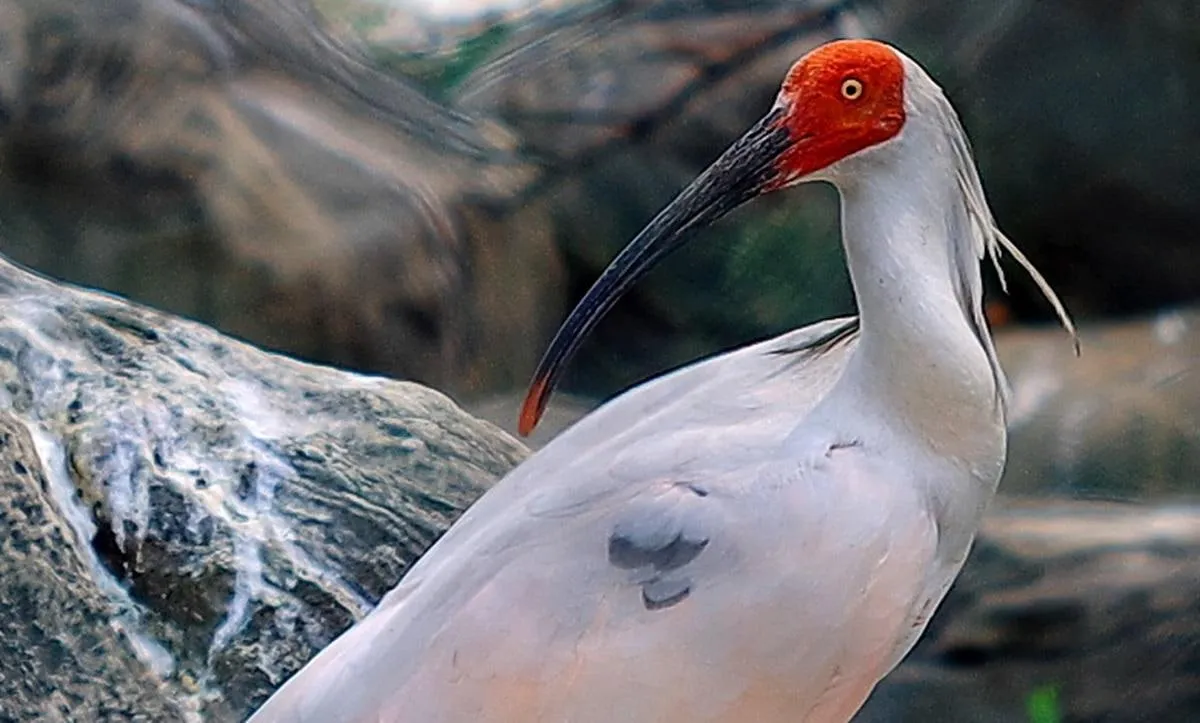
In north-central Japan, eight red-crowned cranes (Nipponia nippon)—which had long been considered extinct in the country—were released into the wild. This species disappeared from the island of Honshu in the 1970s due to overhunting and habitat degradation. The return of the ibises to the wild is a significant milestone for Japanese conservationists and biodiversity restoration programs.
The Independent reports on this.
It is noted that on Sunday, May 31, these birds took flight over the city of Hakui in the Noto region—the very place where they were last seen in the wild.
The release of the birds from individual wooden cages took place during a special ceremony attended by Crown Prince Akishino, his wife Kiko, and other officials. Local residents gathered to celebrate the event, and the royal couple cut the ribbon, after which the birds were able to take flight.
"These eight ibises come from a successful captive breeding program carried out at a nature conservation center on Sado Island in neighboring Niigata Prefecture. Their release marks a new phase for the species—ten more birds are reportedly awaiting their return to the wild," the article states.
A symbol of East Asia with a long history of decline
In Japan, this species is known as the crested ibis. These distinctive white birds, native to East Asia, are known for their striking orange-pink hue under their wings and bright red patches around their eyes.
In the 1970s, they disappeared from Japan’s main island of Honshu, largely due to overhunting and environmental degradation. It is noted that the last native Japanese ibis died in 2003 on Sado Island.
The species’ return was made possible by a breeding program supported by China. In 1999, a pair of birds provided by China produced offspring—the first red-legged ibis chick born in captivity, according to Japan’s Ministry of the Environment. Subsequent breeding and conservation programs have significantly strengthened the population.
Since 2008, when ten birds from the Sado center were first released into the wild on the island, their population there has grown to approximately 500 individuals.
Sunday’s release is also seen as a symbol of hope for the Noto region, which is still recovering from the devastating 2024 earthquake.
South Korea’s Experience
In 2019, South Korea also reintroduced the red-legged ibis into the wild—40 years after it had disappeared from the country.
According to the Yonhap news agency, 40 rare marsh birds, raised in captivity, were released into the Upo Wetland in South Gyeongsang Province, southeast of Seoul.
The last sighting of the red-legged ibis on the Korean Peninsula likely dates back to 1979, when the bird was spotted in the demilitarized zone between South and North Korea.
Prehistoric takahes, previously thought to be extinct, have returned to New Zealand.
More than 80 animal species are at risk of extinction due to the war, according to the Ministry of Economy.
UAnimals is calling for businesses to be allowed to let animals inside due to the cold weather.
A petition on the website of the Cabinet of Ministers of Ukraine calling for a ban on keeping dogs on chains in the country garnered only 115 votes and did not reach the minimum number required for consideration.
Soldiers from the 14th Brigade evacuateda cat and a dog from the front lines using a drone.


