
Colombia plans to cull Escobar's hippos due to the threat they pose — The Guardian
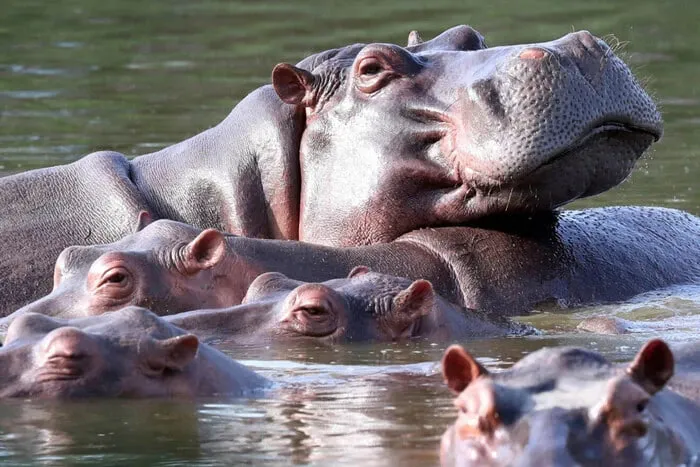
In Colombia, authorities have decided to cull up to 80 hippos, which are descendants of animals brought in during the 1980s by drug lord Pablo Escobar. The population of these animals has gotten out of control and poses a threat to the ecosystem and people. Colombia plans to cull Escobar’s hippos due to the threat
The Guardian reports on this.
The animals, which once lived in Escobar’s private zoo, have become completely feral and have multiplied rapidly. Their population is estimated to have already reached approximately 170 individuals and continues to grow.
Environment Minister Irene Velez stated that the decision to cull the animals was a last resort. According to her, other methods such as sterilization and relocation proved too costly and ineffective.
“If we don’t do this, we won’t be able to control the population. We must take these measures to preserve our ecosystems,” she said.
Hippos pose a real threat. They are displacing local species, particularly rare river animals, destroying ecosystems, and can be dangerous to farmers and local residents.
The animals have already spread far beyond the boundaries of Escobar’s former ranch and are appearing even more than 100 km from their original habitat.
At the same time, the decision has drawn criticism. Animal rights activists oppose the culling, emphasizing that the animals are victims of human actions and should not have to pay the price.
Despite this, authorities insist that without radical measures, the population will continue to grow, which will only increase the risks to nature and people.
Hippos first appeared in Colombia in the 1980s, when Pablo Escobar brought four animals to his private zoo. After his death in 1993, they could not be relocated and remained in the wild, where they began to multiply rapidly.
Colombiamaintains a cautious stance amid threats from the U.S.
Colombia invites the U.S. to observe its fight against drugs.
Colombia is asking the U.S. to allow investment in Venezuela’s energy sector.
