
US Congress warns over control of military AI — Defense News
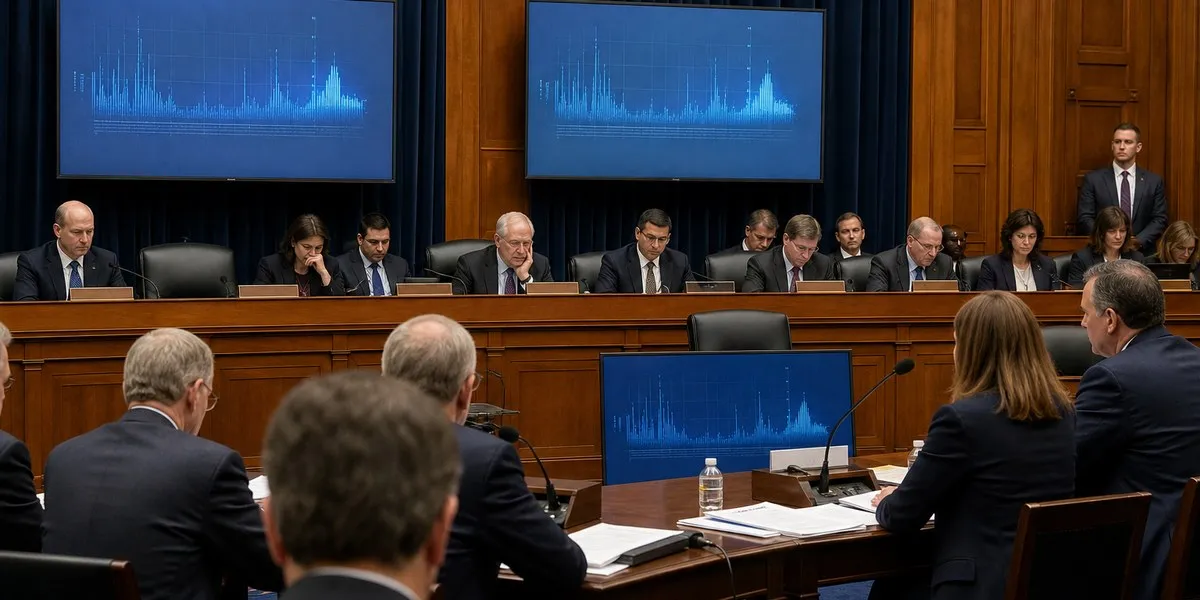
In Washington, United States, participants in a congressional hearing said that artificial intelligence systems could accelerate target identification and strike recommendations to the point where humans would not have enough time to review them or intervene. Defense News reports.
At a hearing of the Tom Lantos Human Rights Commission on the consequences of using AI in the military sphere, AI governance researcher Anna Mysyshyn stressed that an operator's formal approval of a decision does not in itself indicate that control has been retained. According to her, in Ukraine, AI can reduce the decision-making process from hours to minutes.
Time for a human decision
The 2023 US Department of Defense directive on autonomous weapons systems requires commanders and operators to be able to exercise an appropriate level of human judgment regarding the use of force. At the same time, hearing participants questioned whether such judgment remains meaningful when AI affects target determination faster than a person can verify a recommendation.
Amnesty International USA National Director for Government Relations and Advocacy Amanda Klasing warned that AI could accelerate the military decision-making chain and make it more difficult to establish whether a meaningful human assessment took place before a strike. Former military officer and military ethics researcher Joseph Chapa called for assessing not only the degree of autonomy of systems, but also whether they rely on statistical inferences, how they behave in case of failures, and whether the grounds for their recommendations can later be verified.
More current news is available on the UA.News Telegram channel Telegram.
Responsibility for harm to civilians
Hearing participants also raised the issue of accountability in cases where AI-assisted decisions result in harm to civilians. A US Department of Defense inspector general's review released in May identified problems with implementing a civilian harm mitigation and response mechanism. These included the loss or reassignment of personnel, the discontinuation of funding for a data management platform, and the cessation of meetings of a senior steering committee.
Klasing proposed including data on AI's role in the Pentagon's annual civilian casualty reports. Carnegie Endowment for International Peace senior fellow Steve Feldstein said the Pentagon should collect data on operations and conduct post-operation reviews to determine the accuracy of AI systems' target identification and a possible link between their errors and civilian casualties.
At the same time, Feldstein cautioned against placing all responsibility on technology. According to him, AI can help verify intelligence data, detect changes in imagery, and prioritize protection against drones and ballistic missiles. Mysyshyn noted that AI will not correct erroneous assumptions that people have embedded in the system's operating rules.


