
Bank of Japan under pressure after Fed rate hike — The Japan Times
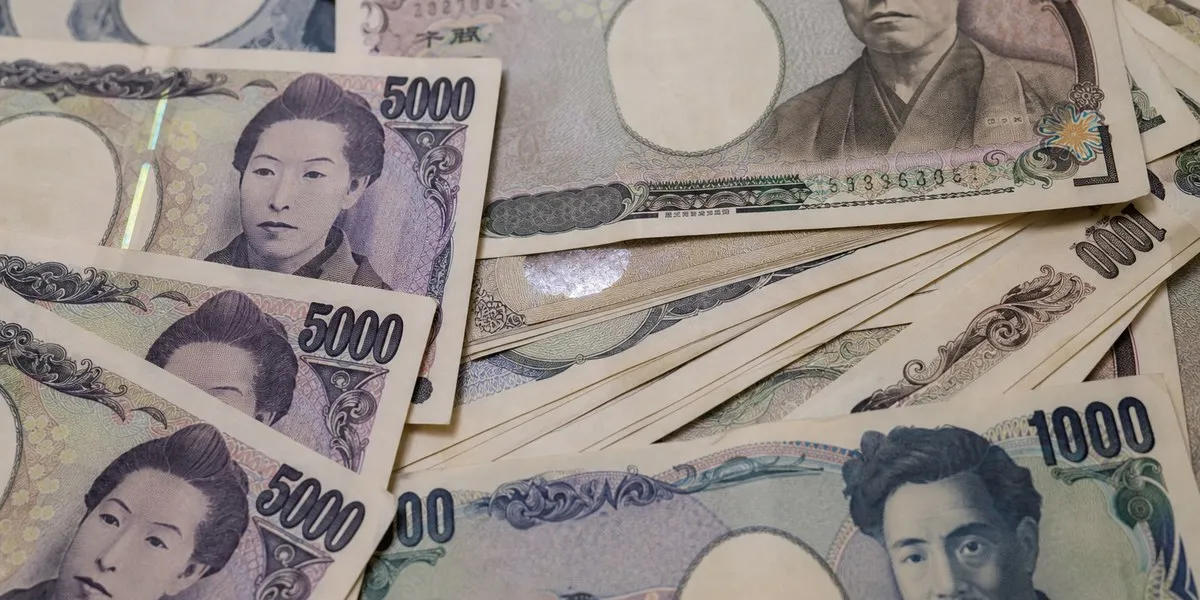
In Japan, the sharp weakening of the yen after the US Federal Reserve raised interest rates has increased pressure on the Bank of Japan ahead of its meeting on Friday. Strategists believe the Japanese currency may continue to weaken if the regulator fails to convince markets that it is ready to continue tightening monetary policy, The Japan Times reports.
Interest rate gap
The Fed on Wednesday raised borrowing costs for the first time since 2023 and projected further increases. Market participants are pricing in three more rate hikes by the middle of next year. This could preserve a significant gap between US and Japanese interest rates, although the Bank of Japan is also expected to raise its rate this week.
After the US regulator's decision, the yen lost up to 1% of its value overnight and weakened to 156.42 per dollar. Earlier this month, the currency had strengthened significantly on expectations of faster policy tightening by the Bank of Japan, the unwinding of yen-funded carry trades, and assumptions that Japanese pension funds could direct a larger share of their money into domestic assets.
Expectations for the Bank of Japan
Markets have almost fully priced in a 25-basis-point rate increase by the Bank of Japan. Therefore, traders will watch the press conference of the regulator's governor, Kazuo Ueda, and his signals on the pace and scale of further policy tightening. Bank of Japan board member Hajime Takata, whom the agency describes as a supporter of tighter policy, has also allowed for the possibility of a larger rate increase or a series of consecutive decisions.
More current news is available on the UA.News Telegram channel Telegram.
Glenn Yin, research director at ACCM in Melbourne, said Japan is under significant pressure not only to raise rates but also to send a hawkish signal to markets. In his view, if the Bank of Japan disappoints investors, a rapid move toward 160 yen per dollar cannot be ruled out.
Risk of renewed weakening
Rinto Maruyama, senior strategist at SMBC Nikko Securities, believes the weakening yen gives the regulator additional grounds to emphasize the risks of accelerating inflation. In his assessment, higher oil prices could also become an argument for tighter policy. At the same time, he does not expect a signal of a 50-basis-point increase or a series of consecutive decisions, as the expected increase would bring the rate to the estimated neutral range.
Akira Moroga, chief market strategist at Aozora Bank, noted that a rate increase alone may not be enough to support the yen if the Bank of Japan's stance is less hawkish than that of the Fed. He named 158.50 yen per dollar, close to the 200-day moving average, as the next important threshold. Meanwhile, hedge funds have already reduced bearish positions: according to the US Commodity Futures Trading Commission, leveraged traders halved their bets against the yen in the week through September 8.




