
Waterfowl numbers and diversity decline in Nepal — Kathmandu Post
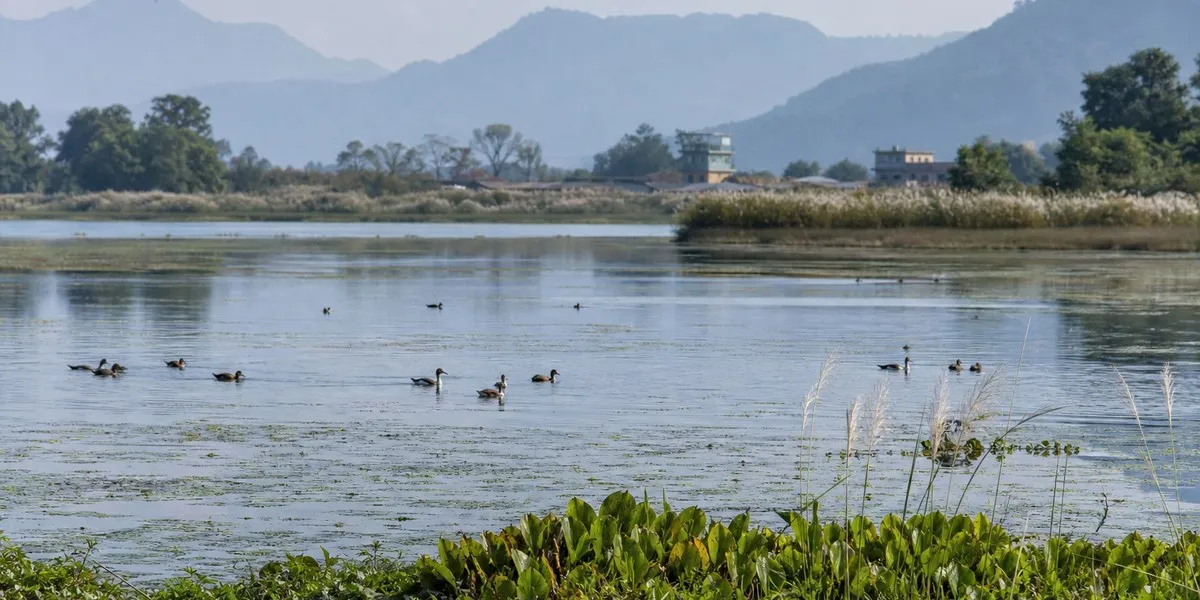
In Nepal, both the number of waterfowl and the number of recorded species in key wetlands decreased over the year. Counts recorded 96,565 birds of 94 species in 2025, compared with 90,688 birds of 89 species in 2026, Kathmandu Post reports.
Nepal lies on the Central Asian Flyway, along which birds travel between breeding and wintering grounds. Around 150 species, mostly waterfowl, arrive in the country each winter. Some birds travel nearly 5,000 kilometers from Siberia, and their wintering areas include the lakes, marshes and plains of the Terai.
Decline at many locations
During the 2026 count, approximately half of the monitoring sites recorded a decline in species diversity compared with the previous year. The number of species decreased, in particular, at the Koshi Tappu Wildlife Reserve, Barju Lake, Jagadishpur Reservoir, Banke National Park, near Ghodaghodi, Rara and Taudaha lakes, in the Pokhara Lake Valley and along the Bagmati River.
In Chitwan and Bardia, species diversity increased slightly, but the overall number of birds there also declined. At the same time, a moderate increase in the number of species and individuals was recorded in Dhanusha district, near the Kamala River, in the Hetauda wetlands, the Lumbini area, on the Babai and Rapti rivers, in Shuklaphanta, Puraina, near Bannadha Lake and on the Manohara floodplain.
More current news is available on the UA.News Telegram channel Telegram.
Pressure on wetlands
Experts link risks to birds to habitat destruction and development, pollution, illegal hunting, pesticide use and changes in land use. Additional threats include the drying up of water bodies, the spread of invasive water hyacinth, noise from recreation near lakes, waste and bird collisions with power grids.
Ishana Thapa, executive director of Bird Conservation Nepal, stressed that protecting birds in Nepal alone is insufficient: breeding, stopover and wintering sites must be preserved along the entire route. She also called for migration routes and critically important bird habitats to be considered during environmental impact assessments for roads, power lines, hydropower and other infrastructure projects.
According to the State of the World’s Birds report, 45% of the 1,843 migratory bird species assessed worldwide are declining, while 200 species, or 11%, are globally threatened with extinction. Migratory shorebirds and seabirds are suffering the most, and 58% of 1,099 key biodiversity areas important for migratory birds have poor or very poor ecological conditions.


