
All 69 victims of train crash in Spain identified — RMF24
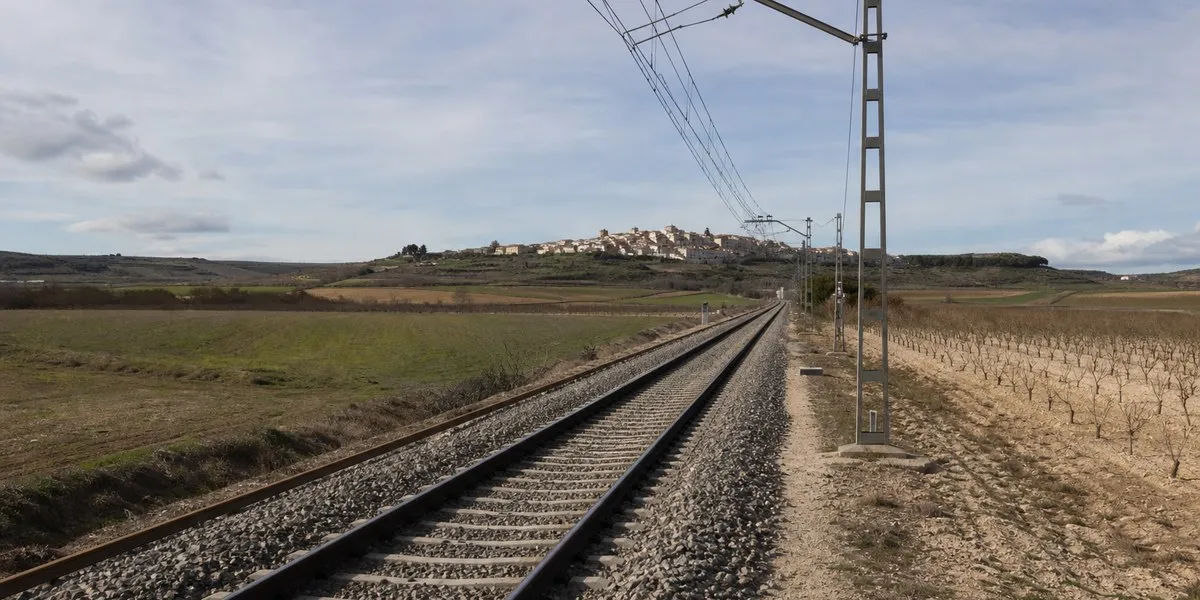
Spain has completed the identification of 69 people who died in a railway accident in Urda, in the province of Toledo. The Integrated Data Center, which operates as a crisis headquarters, reported the completion of the procedure overnight from Monday to Tuesday, RMF24 reports.
According to forensic pathologists, the dead included 40 men and 29 women. The identities of 56 victims were confirmed by fingerprints. Fifty-four of those killed were Spanish citizens, while another 15 were foreign nationals.
Citizens of 10 countries were among the dead
The foreign victims of the accident included four U.S. citizens and two citizens each of Australia and Japan. One citizen each of the Czech Republic, Argentina, Canada, France, Portugal, Mexico and Tunisia was also killed.
More current news is available on the UA.News Telegram channel Telegram.
The accident occurred on Wednesday morning on the high-speed railway line between Madrid and Seville. A train operated by state carrier Renfe collided from behind with a train operated by private operator Iryo. In addition to the 69 deaths, 110 people were injured.
Investigators will examine the operation of safety systems
According to preliminary data, the LZB traffic control system malfunctioned before the collision. Under such circumstances, trains stop automatically, and further movement is coordinated by the control center. According to the outlet, a dispatcher allegedly allowed two trains traveling on the same track from Madrid to Seville to continue, although the female driver of the Iryo train twice reported that she could not move.
As RMF24 reports, investigators will analyze the transmission of instructions, the decisions of responsible persons and their rationale. Pedro Placencia Lozano, a professor at the University of Oviedo who specializes in transport engineering and infrastructure, urged against drawing premature conclusions that human error was the direct cause of the accident. He also noted that the ASFA system could have provided additional protection, but it is currently unknown whether it operated in this case.




