
US Senate fails to advance crypto Clarity Act — The Japan Times
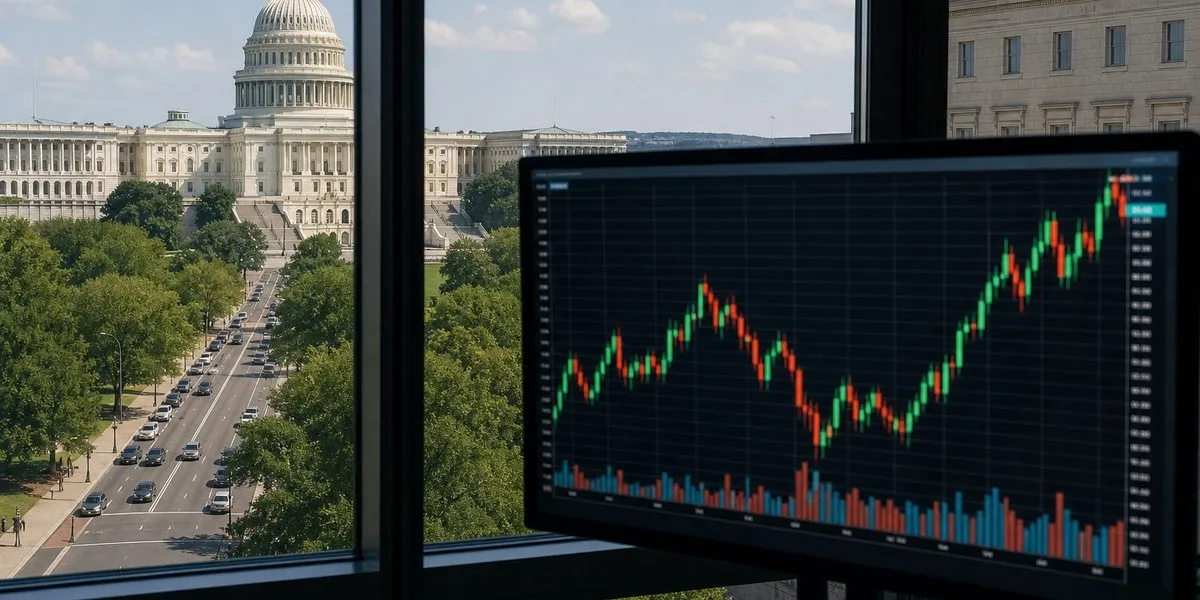
The US Senate in Washington did not support a procedural vote to advance the Clarity Act bill, which was intended to create a regulatory framework for the cryptocurrency market worth about $2 trillion. Forty-nine senators voted for the move and 50 against it; four Republicans were among the opponents, The Japan Times reports.
The bill was intended to determine which cryptocurrencies fall under securities legislation and which are subject to commodity market regulation rules. Representatives of the crypto industry consider the document important for the sector's continued operations in the United States and for eliminating legal uncertainty.
Industry spending did not secure the votes
According to the publication, crypto companies collectively spent more than $300 million on the 2024 and 2026 elections, supporting candidates favorable to cryptocurrency regulation and running nationwide advocacy campaigns. Analysts, company executives, and academics said that the voting result demonstrated the limits of the industry's political influence. By their estimates, the crypto industry still has about $130 million left for political activity.
Kevin Vysotsky, head of policy at crypto platform Anchorage Digital, said the sector would continue to support candidates with pro-cryptocurrency positions regardless of their party affiliation. Mason Lina, director of the Coinbase-backed Stand With Crypto group, said that members of the organization had become aware of which lawmakers oppose them and would vote accordingly.
More current news is available on the UA.News Telegram channel Telegram.
Disputes surrounding Trump and banks
Democrats insisted on stricter restrictions for officials who could profit from digital assets. In June, US President Donald Trump reported more than $1.4 billion in income from his family's cryptocurrency projects. The White House agreed to several restrictions, but Democrats considered them insufficient.
The banking sector also affected the course of negotiations. Banks objected to a provision that, in their view, could increase competition for deposits and harm lending. They enlisted a network of thousands of local banks to oppose the wording.
A Politico poll in April showed that only 18% of respondents wanted US lawmakers to prioritize rules for cryptocurrencies. Nearly 50% of those surveyed instead named affordable housing as a priority.




