
In Russia's Leningrad Oblast, restrictions have been placed on the sale of fuel at gas stations
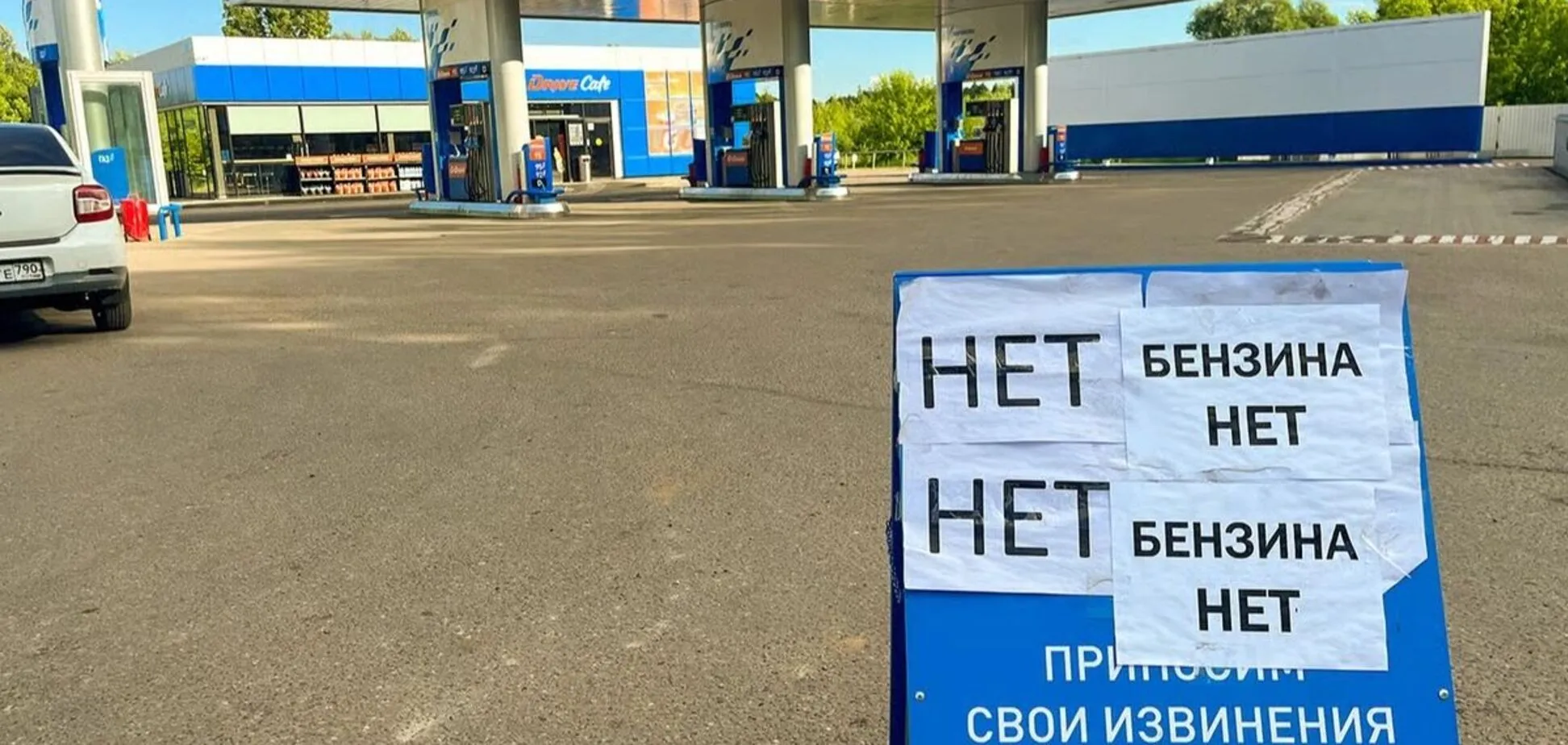
Authorities in the Leningrad Region have introduced a uniform limit on fuel sales at gas stations. The decision was made amid a fuel crisis following the shutdown of the "Kinef" oil refinery.
“The situation remains difficult,” said regional governor Oleksandr Drozdchenko, promising to “handle” the situation. To that end, he said, several measures had been agreed upon with the leadership of major oil companies, including—as a “temporary measure” until October 1—the introduction of limits at gas stations.
According to Drozdhenko, approximately 20% of private and small gas stations in the Leningrad Region have closed due to the inability to purchase the necessary volumes on the exchange. At the remaining gas stations, the situation with AI-92 gasoline is stabilizing, but with AI-95, “it’s still difficult for now,” since there is less of it on the market than usual. “I ask for your understanding. According to available information, the situation will improve in October, and oil companies confirm this,” the governor added.
Drozdenko also reported that, following a meeting with oil companies, it was decided to discontinue the use of QR codes and gasoline vouchers. Vehicles belonging to medical personnel and firefighters, as well as school buses and emergency services vehicles equipped with sirens, will be allowed to refuel out of turn.
St. Petersburg and the Leningrad Region became the epicenter of a new escalation of the fuel crisis last week after the “Kinef,” which had been struck by Ukrainian Armed Forces drones, sustained damage to both of its oil refining units and ceased operations.
Prior to this, Moscow had imposed limits on gasoline and diesel sales.
Video: An oil refinery caught fire in Orsk following the attack.
Earlier, the General Staff confirmed a strike on the TANECO oil refinery in Tatarstan.


