
Recyclable material collectors in Mexico City demand social protection — Mexico News Daily
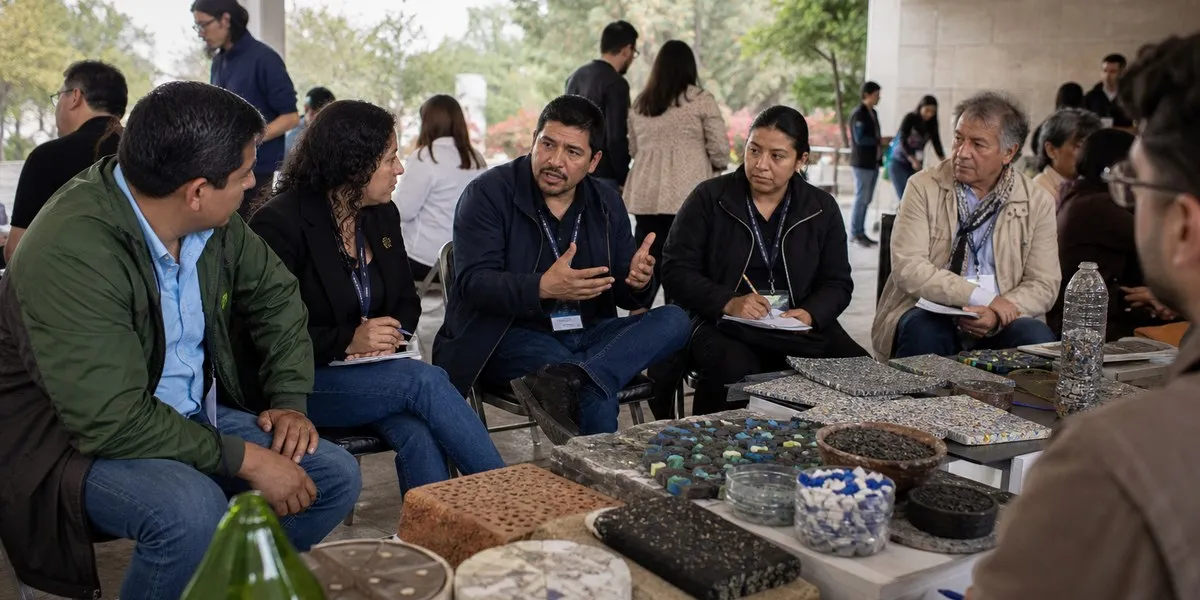
In the Iztapalapa district of Mexico City, Mexico, workers in the informal waste recycling sector discussed inclusion in the country’s new circular economy system, access to social insurance and the possibility of selling collected materials directly to industry. As Mexico News Daily reports, the Inclusive Circular Economy Forum on September 10 brought together recyclable material collectors, business representatives, authorities, academics and environmental activists.
Forum organizers estimate the number of Mexican waste collectors, known as pepenadores, at around 400,000 people. More than 2 million additional people are involved in the informal recycling economy. Many of them work without social insurance, stable pay or legal recognition.
New law and unresolved rules
The General Circular Economy Law, published on January 19, provides for extending the useful life of goods, restoring and reusing materials. It also introduces extended producer responsibility for the subsequent fate of their products and creates a National Circular Economy System.
At the same time, implementing regulations for the law have not yet been published. Participants discussed how workers would be registered, how they would receive social insurance, form cooperatives and sell materials directly to enterprises. Representatives of five working groups dedicated to PET plastic, other types of plastic, paper and cardboard, metals, and electronics also considered tax registration and vocational training.
More current news is available on the UA.News Telegram channel Telegram.
Iztapalapa’s experience
Iztapalapa, with a population of 1.8 million, collects around 2,200 tonnes of waste every day. According to Alfonso González Maya, director of municipal services, the share of sorted waste has risen from 2–3% to 8%, and separate collection operates on 37 routes.
The district has also expanded its collection program for unwanted furniture, appliances and household waste to six days a week, is preparing collection of used cooking oil and is developing a composting facility for organic waste using black soldier fly larvae. A local program to repair metal furniture has helped restore more than 10,000 school desks, according to the administration.
Soledad Mella, a Chilean representative of the recyclable material collectors’ movement, called for recycling to be formally recognized as work, for workers to be provided with decent conditions and for the waste collection service, rather than only the value of materials, to be paid for. She stressed that recycling must not take place without the participation of recyclers themselves.


