
The Hungarian Ministry of Foreign Affairs commented on the country's dependence on Russian energy resources
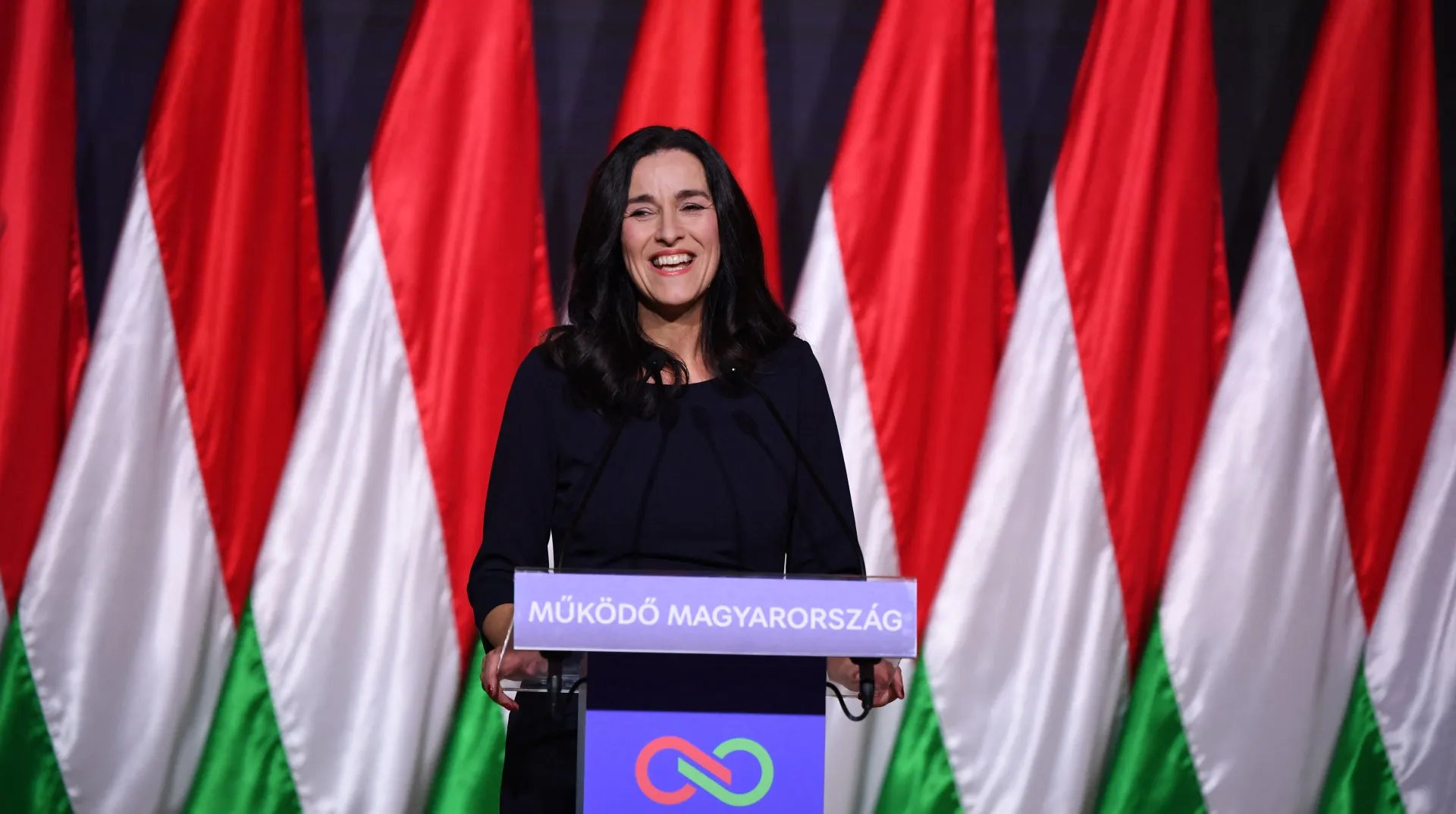
Hungary has stated that the country will continue to make energy policy decisions based on its own interests and the needs of its citizens. Officials in Budapest emphasize that the availability and price of energy remain the top priorities, according to Politico.
Hungarian Foreign Minister Anita Orbán commented on the country’s position regarding dependence on Russian energy resources, stating that Budapest will continue to act in accordance with national interests. “We want a country where we have a choice, where we can make decisions, where we can make decisions freely,” Orbán noted.
According to her, the approach to energy must be as pragmatic as possible and based on three key factors—prices, availability, and long-term stability of supply. “Hungary needs to form an energy mix that will be best for Hungarians in terms of prices, availability, and sustainable development,” she added.
Thus, Budapest emphasizes that it is not abandoning existing contracts and energy supply logistics, but is simultaneously considering options for the gradual diversification of sources.
At the same time, Hungarian political discourse continues to prioritize a balance between economic benefits and foreign policy commitments to the European Union. It is worth noting separately that following the recent elections, Hungarian Prime Minister Péter Magyar stated his intention to continue purchasing Russian oil while simultaneously working to expand alternative energy routes.
Thus, Budapest’s position remains pragmatic: gradual diversification without a sharp break with current suppliers.
Lithuania will also receive over a hundred air defense missiles from the U.S. following the State Department’s approval of the relevant agreement.
Lithuania has notedthe impact of the reduction in the excise tax on diesel.
Lithuaniahas simplified the rules for citizens serving in foreign armies — LRT.
The Lithuanian Prime Minister has outlined a condition for dialogue with Belarus.


