
Germany sees an opportunity for tourism amid the crisis in the Middle East
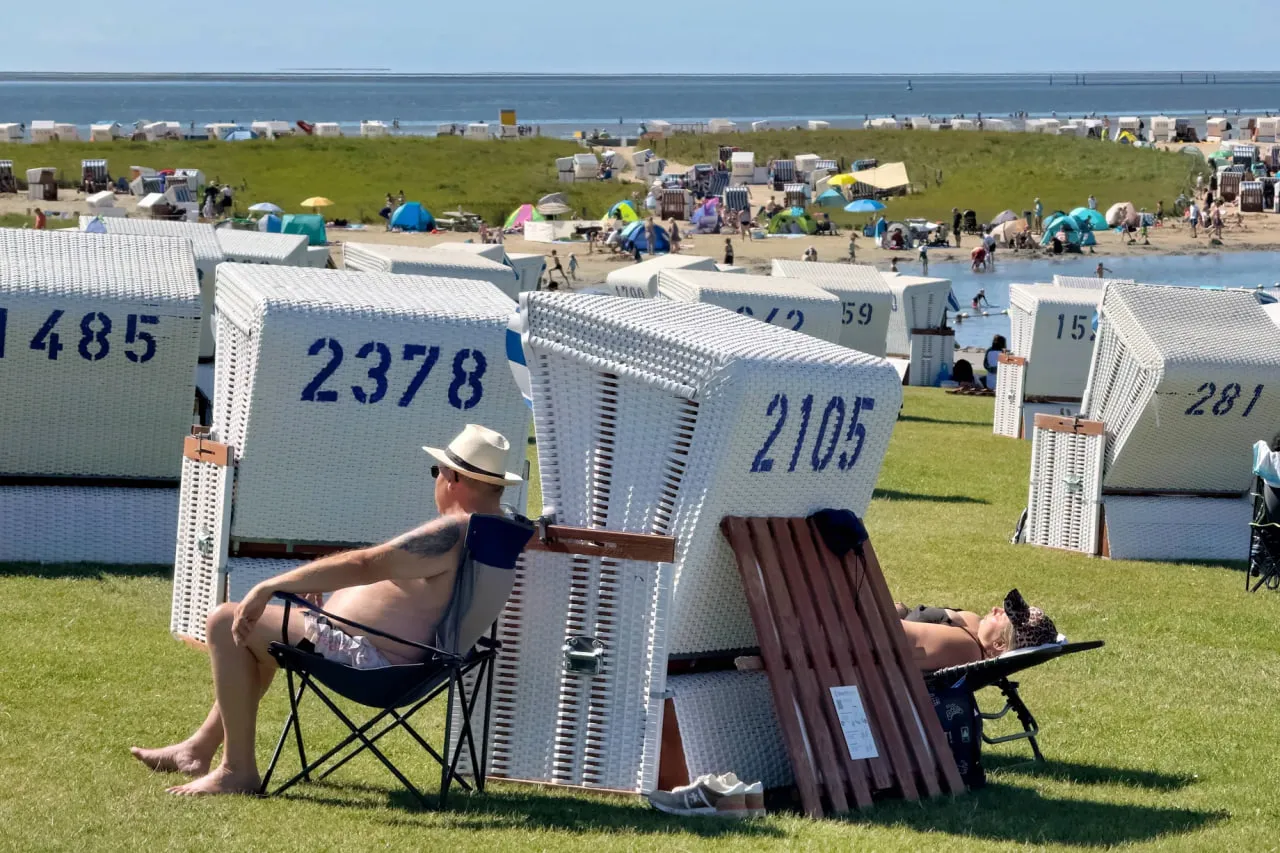
Christoph Plöss, the government commissioner for tourism, stated that the tense global situation, particularly in the Middle East, could boost domestic tourism in Germany this summer. According to him, due to the unstable international situation, more Germans may choose to vacation within the country rather than travel abroad.
This was reported by Spiegel.
During the war in Iran, energy facilities, airports, and populated areas in the Persian Gulf countries were attacked. This has severely damaged these countries’ image as safe destinations for tourism and trade.
In addition, travelers are concerned by discussions about the threat of aviation fuel shortages and rising airfare costs.
"Just as serious as the consequences of the crisis in the Middle East are for many industries, so too are the opportunities it opens up for German tourism," Plöss said in an interview with newspapers of the Funke Media Group.
In particular, he expects “even greater demand than in previous years” along the coasts of the North Sea and the Baltic Sea.
In a representative survey commissioned by the payment service provider SAP Concur and published over the weekend, nearly one in five respondents said they had already canceled or rebooked a flight, or had faced a flight cancellation by the airline.
Ploess noted that the federal government views the tourism industry as an increasingly important pillar of Germany’s national economy and announced further funding.
"Later this year, we will support tourism businesses and regions in Germany through several initiatives, including more flexible working time regulations and increased investment in the highway and rail networks," said Plöss.
Germany is strengthening Ukraine’s long-rangecapabilities through joint drone production.
At Ramstein, a number of countries announced new contributions to the PURL program—Fedorov.
Ramstein in Berlinfocused on drones and long-range missiles for Ukraine.
The 34th "Ramstein" meeting on support for Ukraine has begun in Berlin.
Also, U.S. Secretary of Defense Pete Hagset will again not participate in the meeting of the Ramstein Contact Group on Ukraine’s Defense, instead sending his deputy.
Additionally, NATO Secretary General Mark Rutte will join the meeting of the Ramstein Contact Group on Ukraine’s Defense.


