
In Germany, Schwesig’s success increased pressure on SPD leadership — Deutsche Welle
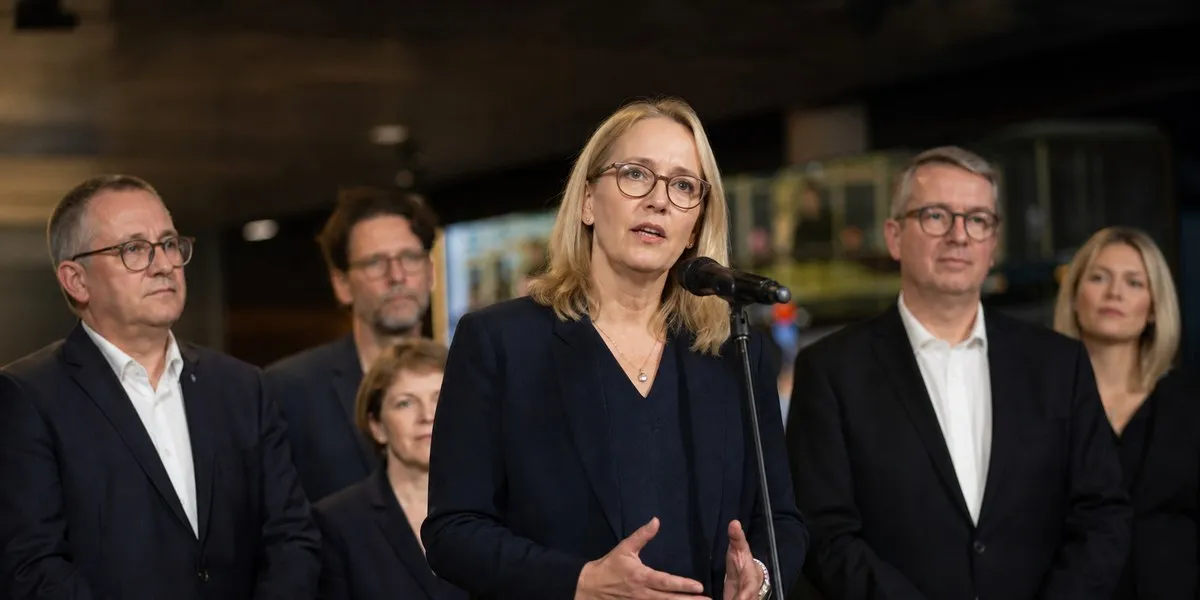
In Germany, the victory of Mecklenburg-Western Pomerania Minister-President Manuela Schwesig in the state election has increased internal pressure on the leadership of the Social Democratic Party of Germany (SPD). Schwesig distanced herself from the federal government’s course, in which the SPD is in a coalition with Chancellor Friedrich Merz’s CDU/CSU bloc, including by criticizing some pension reform plans.
As Deutsche Welle reports, SPD co-leader Lars Klingbeil called the party’s result in Mecklenburg-Western Pomerania a signal for the entire social democratic movement. At the same time, Schwesig’s success, as she had publicly opposed some government plans, complicated the positions of Klingbeil and the party’s other co-leader, Bärbel Bas.
Dispute over pension reform
Schwesig said that 81% of residents of her state consider the proposed changes unfair, and also stated that Merz is assessing the situation incorrectly. After the election, the chancellor insisted that the reforms must continue.
In response, the Minister-President of Mecklenburg-Western Pomerania urged him to take into account the real situation on the ground and determine what needs to be changed. Klingbeil acknowledged that when citizens perceive reforms as a threat to their way of life, not only communication but also the substance of certain decisions needs to change. Bas called for reforms to be reviewed from the perspective of practical feasibility and social justice.
More current news is available on the UA.News Telegram channel Telegram.
Demands on SPD leadership
The day after the state election, the SPD executive committee adopted a strategic document with nine priorities for work in government. These include affordable living for everyone, inheritance tax reform to finance an education initiative, and protecting the interests of people who have paid into the pension system for many years.
The document states that issues of a gradual transition into retirement and the right to retire without benefit reductions after 45 years of contributions remain unresolved. It is unknown whether the CDU/CSU will support these demands.
The SPD’s youth wing, the Jusos, is also criticizing the current party leadership. Its leader, Philipp Türmer, said that Bas and Klingbeil are currently not part of the solution to the problem. In December, the party will hold a smaller-format meeting that will not have the authority to elect or remove party leaders.




