
The world's largest chip manufacturing plant has opened in Germany
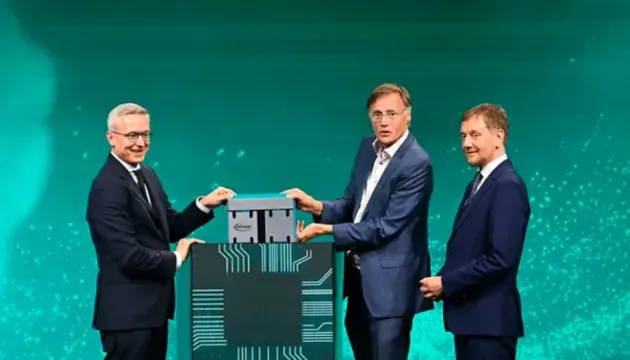
Infineon’s world’s largest power semiconductor manufacturing plant was officially opened in Dresden, Germany. The new facility is expected to help Europe reduce its dependence on imported chips and secure the technologies of the future—from artificial intelligence to electric vehicles and renewable energy.
The world’s largest factory for the production of smart power semiconductors by Infineon has begun operations in Dresden. The German federal government calls this project one of the most important for the technological future of the country and all of Europe.
The new facility will produce state-of-the-art power semiconductors used in various sectors. They are essential for the operation of AI-powered data centers, renewable energy systems, modern power grids, electric vehicles, and autonomous vehicles.
The German government notes that the plant will be an important step toward strengthening Europe’s technological independence. “German semiconductor manufacturer Infineon has opened the world’s largest plant for the production of smart power semiconductors in Dresden. In the future, this ‘smart’ factory will produce state-of-the-art semiconductors for the technologies of tomorrow,” the German federal government reported.
Construction of the facility began in 2023. The project was completed in just three years—even faster than originally planned. The total investment in the project reached 5 billion euros. For Infineon, this is the largest single investment in its history.
Nearly 920 million euros in public funding was allocated for the construction under the European Chips Act, a program designed to develop domestic microchip production in EU countries. Once the plant reaches full capacity, it is expected to employ about 1,000 highly qualified specialists.
Officials in Berlin emphasize that the development of microelectronics remains one of the main priorities of government policy. To this end, the government is implementing the Hightech Agenda Deutschland program and a national strategy for the development of microelectronics, which provide for support for scientific research, training of specialists, and the launch of new production facilities. The Silicon Saxony region, which includes Dresden, plays a special role in this effort. For many years, it has been the largest center for microelectronics in Europe.
According to the German federal government, one out of every three microchips in Europe is produced here. The opening of the new Infineon plant is expected to further strengthen the region’s position and help European industry reduce its dependence on imports of critical components.
Experts also note that demand for power semiconductors continues to grow rapidly. They are key components of modern electronics and are used in virtually all sectors—from smartphones and industrial equipment to artificial intelligence systems, electric vehicles, solar power plants, and energy infrastructure. That is why the launch of such a large-scale production facility is considered strategically important not only for Germany but also for the entire European economy. This was reported by the German federal government.
The German Foreign Ministry summoned the Chinese ambassador following media reports about possible training of Russian military personnel on Chinese territory. Officials in Berlin stated that any support that helps Russia continue its war against Ukraine also poses a threat to Europe’s security.


